Designer Lutz de Bré (1908–2001)
Manufacturer Ewald Kröner
Origin Germany
Period 1970s
Production Date 1971
Materials Pure New Wool
Dimensions 160 × 115 × 1.5 cm
Condition good
Condition Report clean condition. Minor material fatigue to the reverse. Slight tear to the reverse upper left corner at the hanging point; this does not affect functionality.
Price on request
Request more information
Selected items – We change the way you think about forever.
Artur Lutz de Bré (1908–2001) belongs to the generation of German artists who sought a new visual language after 1945. His work is characterized by an individual, often abstract vocabulary of forms and a refined sense of color and composition. It reflects the optimism and creative spirit of the post-war decades and retains a remarkable relevance to this day.
Crafted from pure new wool, the tapestry combines the tactile quality of a natural material with the artistic ambition of post-war textile design. The rich texture of the wool enhances the depth of color and lends the composition a remarkable visual presence.
In Ewald Kröner, textile art of the post-war period found one of its most important advocates. As a producer and publisher of artist-designed tapestries, he collaborated with numerous contemporary designers and played a significant role in establishing the wall tapestry as an integral element of sophisticated interiors. His productions are emblematic of a time when art was not confined to the wall but became an essential part of the living environment itself.
Designer Lutz de Bré (1908–2001)
Manufacturer Ewald Kröner
Origin Germany
Period 1970s
Production Date 1971
Materials Pure New Wool
Dimensions 160 × 115 × 1.5 cm
Condition good
Condition Report clean condition. Minor material fatigue to the reverse. Slight tear to the reverse upper left corner at the hanging point; this does not affect functionality.
Price on request
Request more information
Selected items – We change the way you think about forever.
Artur Lutz de Bré (1908–2001) belongs to the generation of German artists who sought a new visual language after 1945. His work is characterized by an individual, often abstract vocabulary of forms and a refined sense of color and composition. It reflects the optimism and creative spirit of the post-war decades and retains a remarkable relevance to this day.
Crafted from pure new wool, the tapestry combines the tactile quality of a natural material with the artistic ambition of post-war textile design. The rich texture of the wool enhances the depth of color and lends the composition a remarkable visual presence.
In Ewald Kröner, textile art of the post-war period found one of its most important advocates. As a producer and publisher of artist-designed tapestries, he collaborated with numerous contemporary designers and played a significant role in establishing the wall tapestry as an integral element of sophisticated interiors. His productions are emblematic of a time when art was not confined to the wall but became an essential part of the living environment itself.

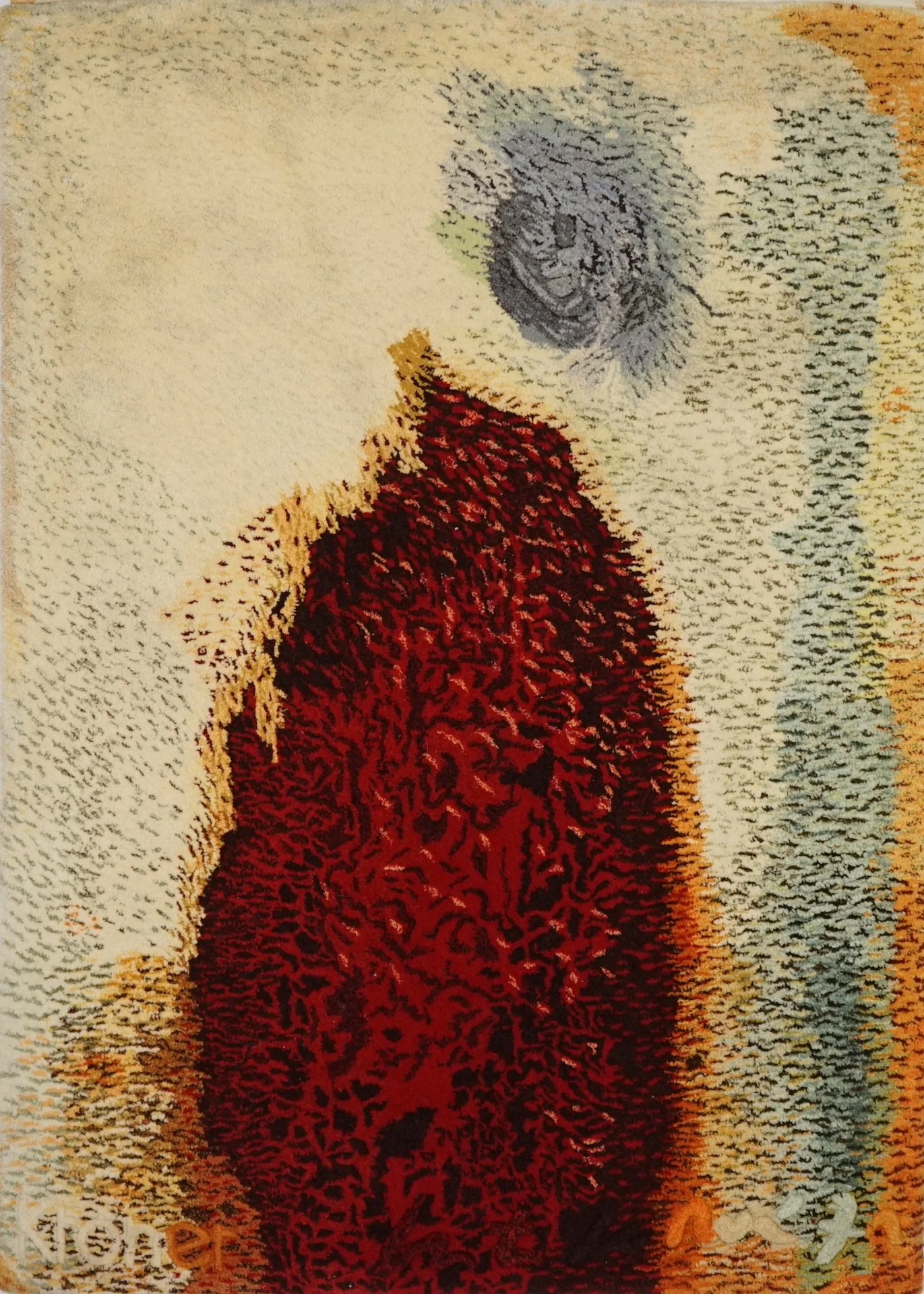 Image 1 of 14
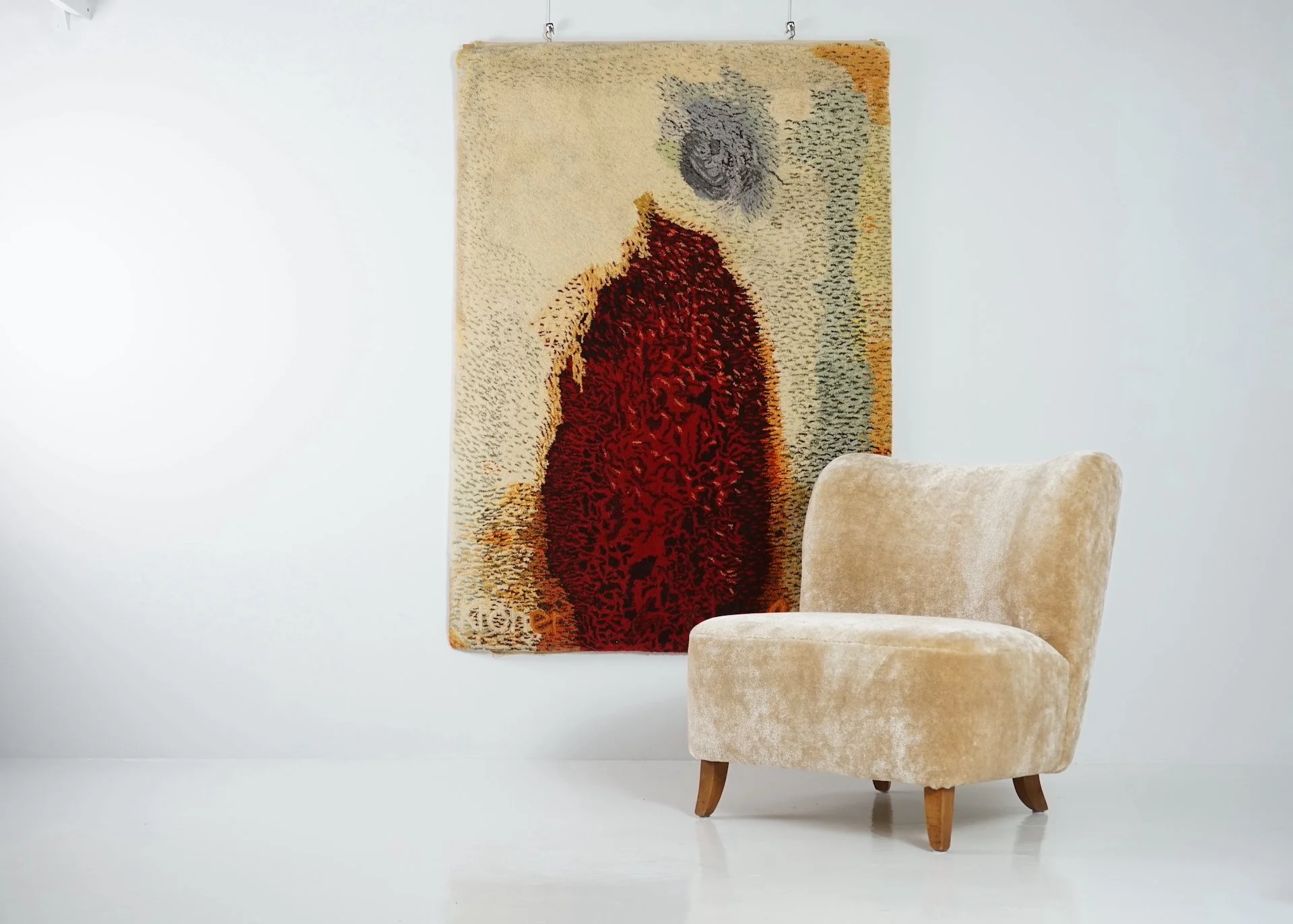 Image 2 of 14
 Image 3 of 14
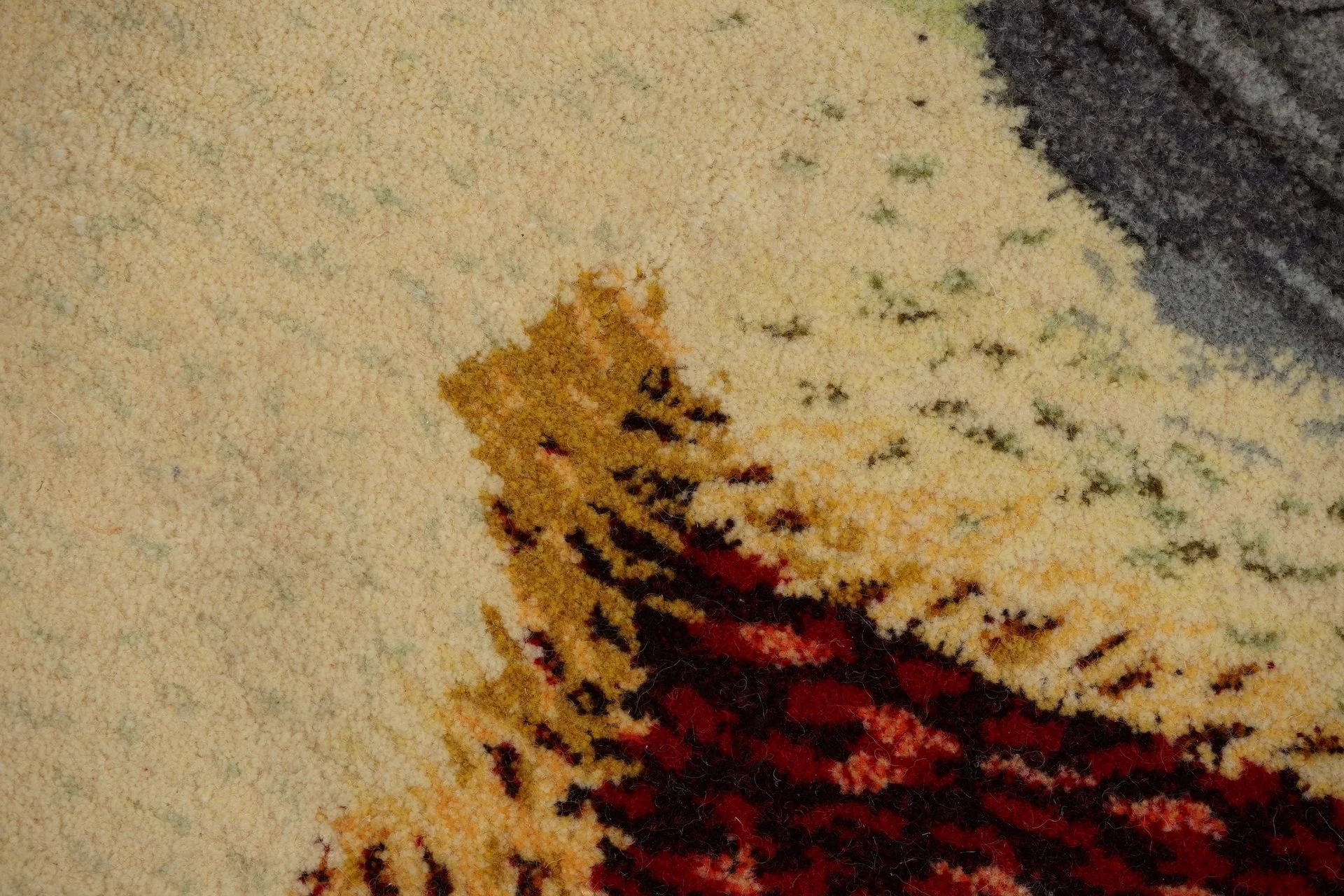 Image 4 of 14
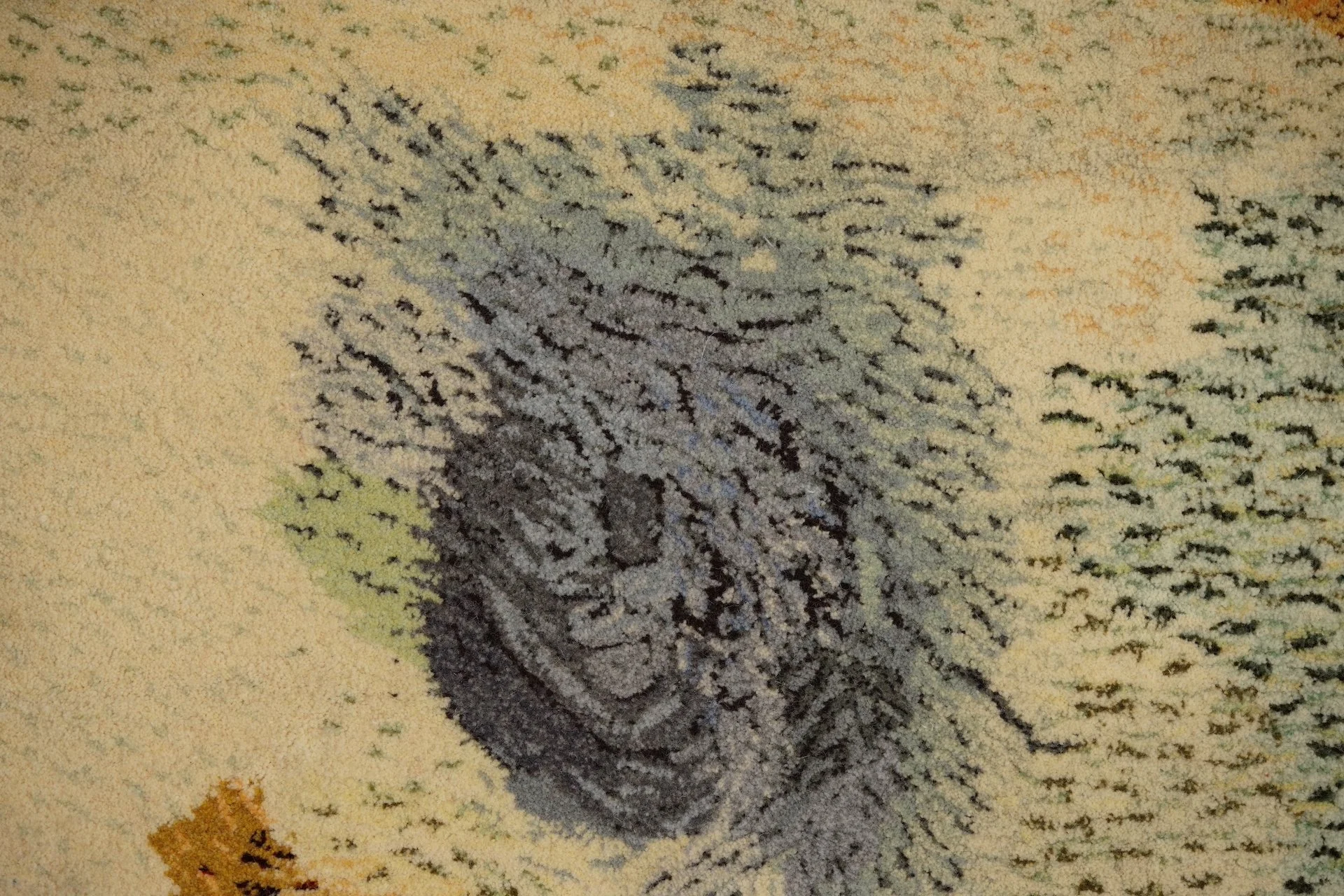 Image 5 of 14
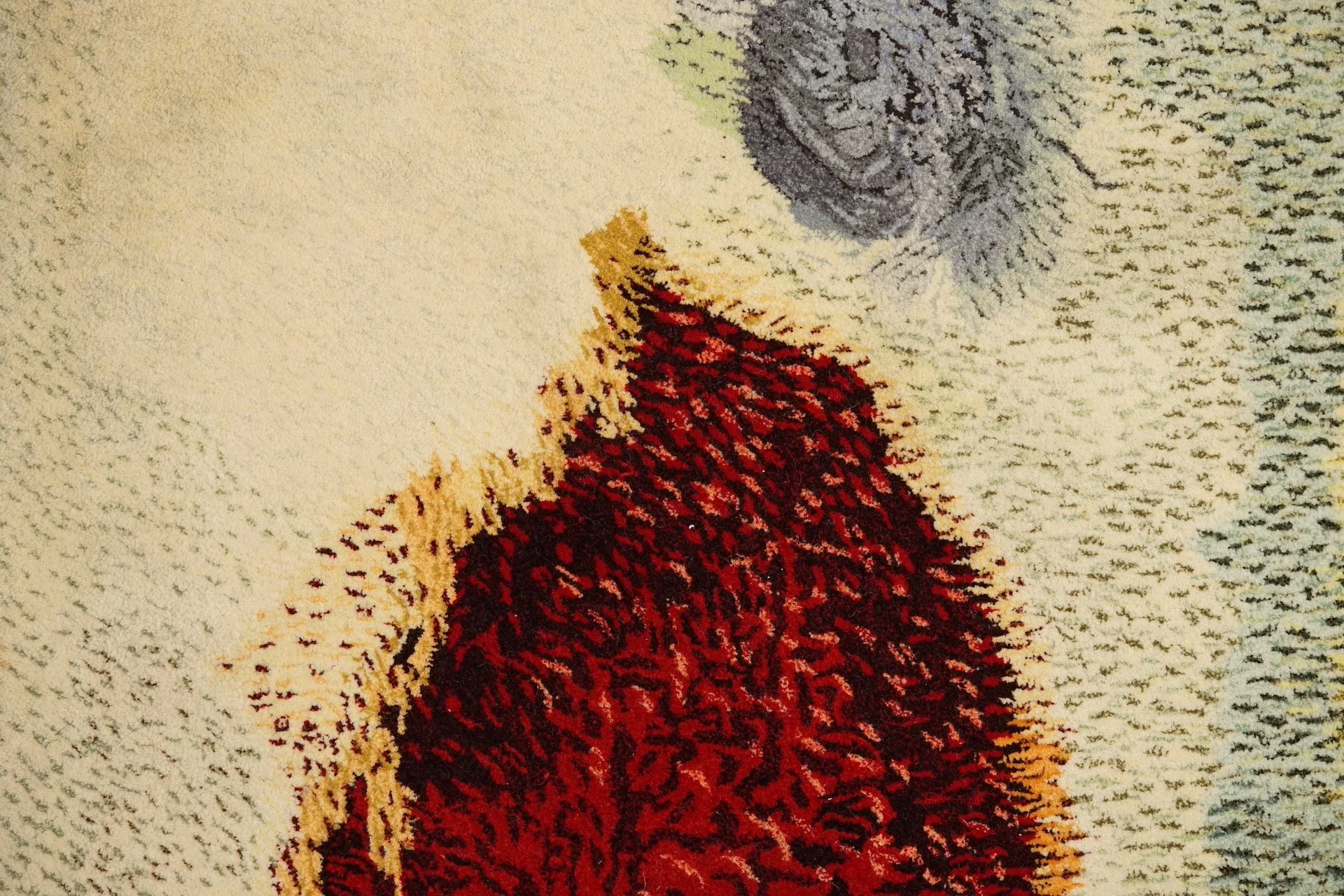 Image 6 of 14
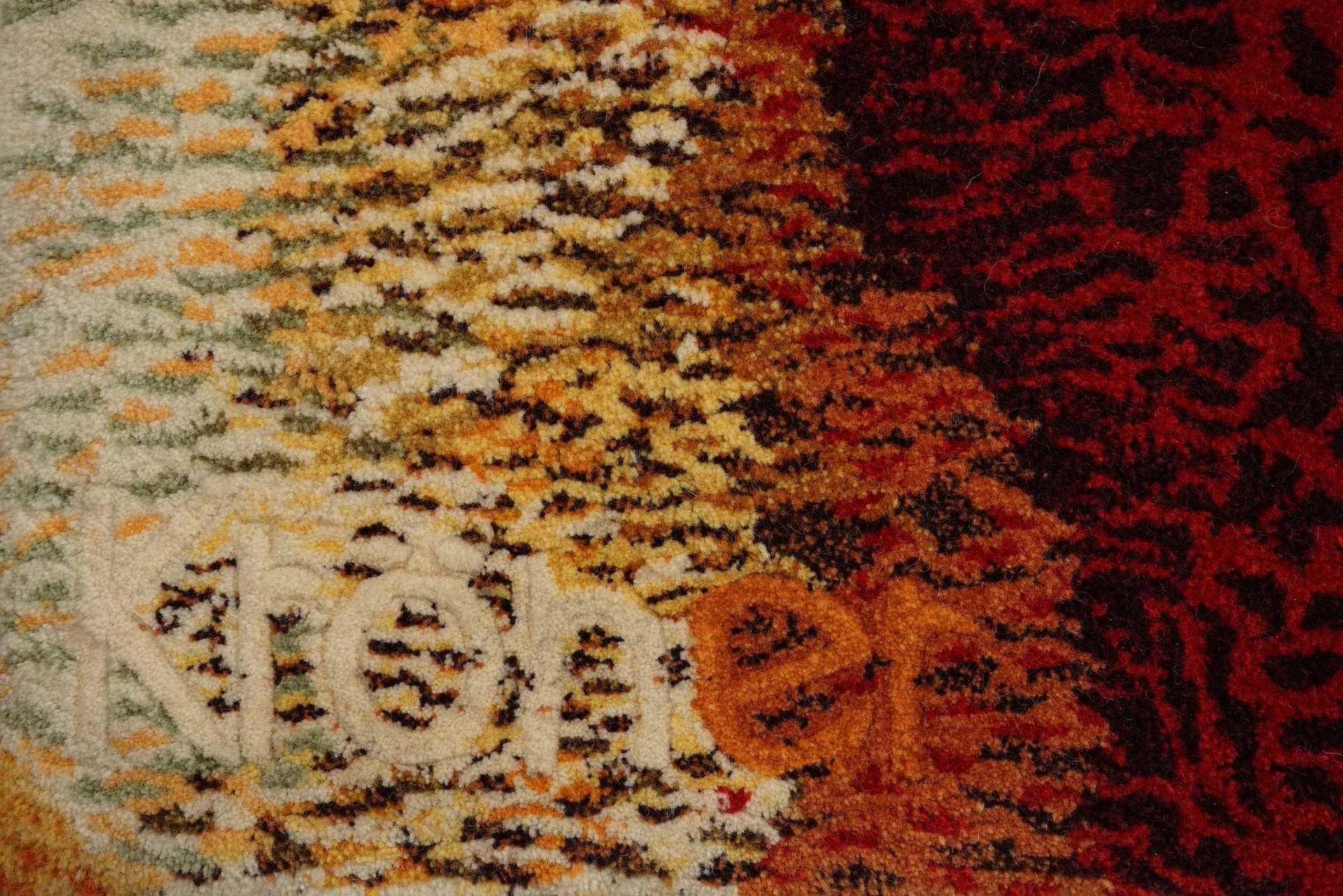 Image 7 of 14
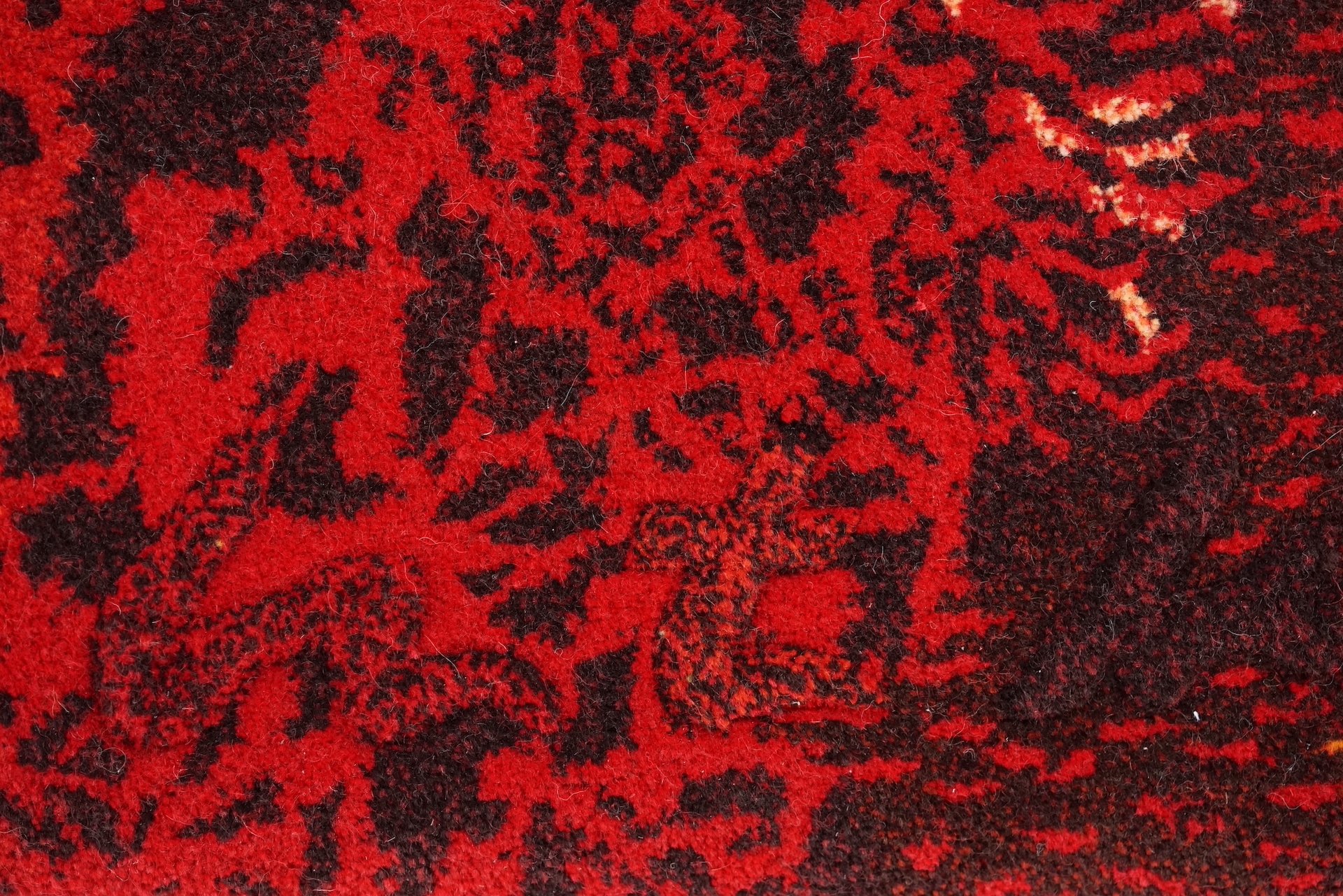 Image 8 of 14
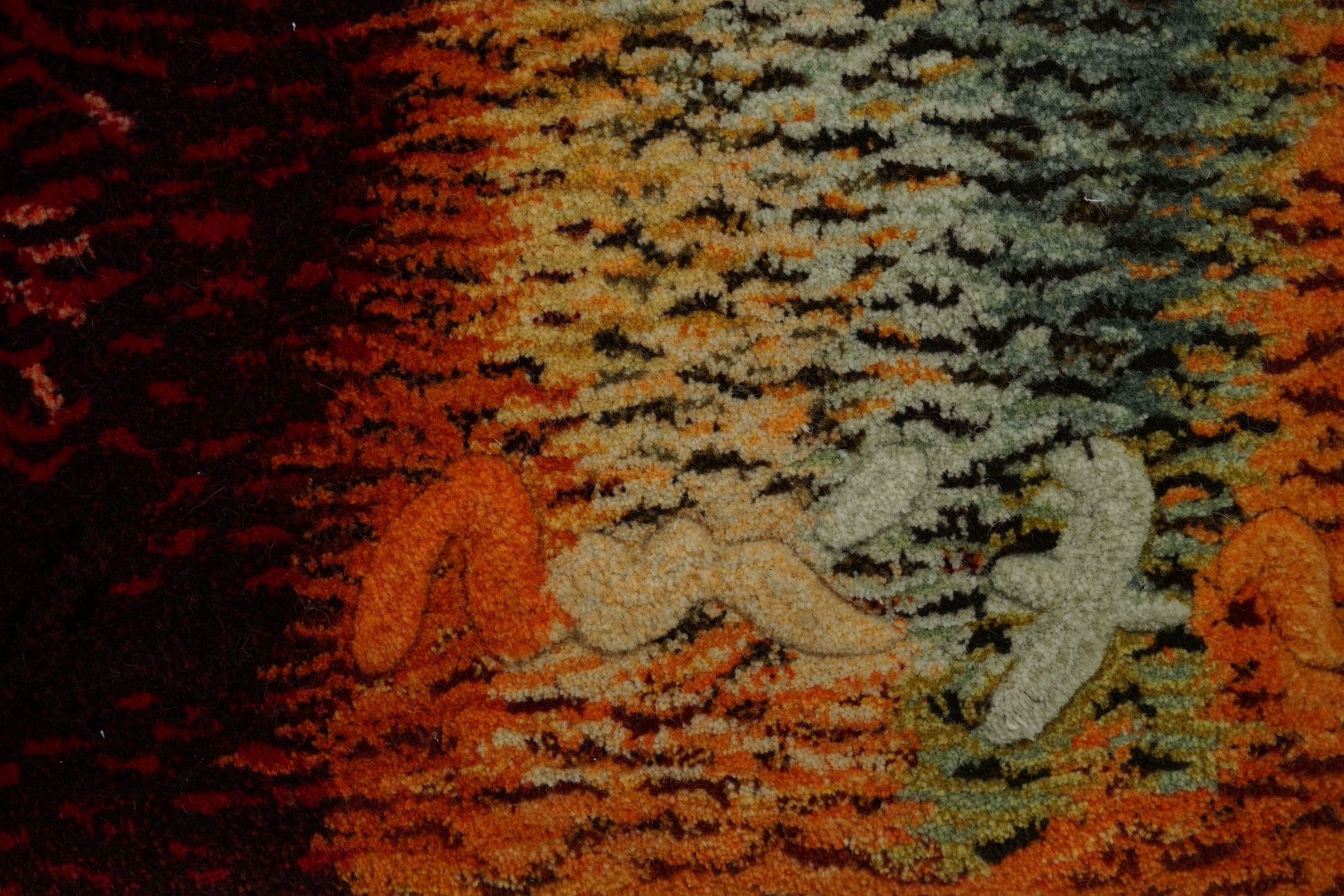 Image 9 of 14
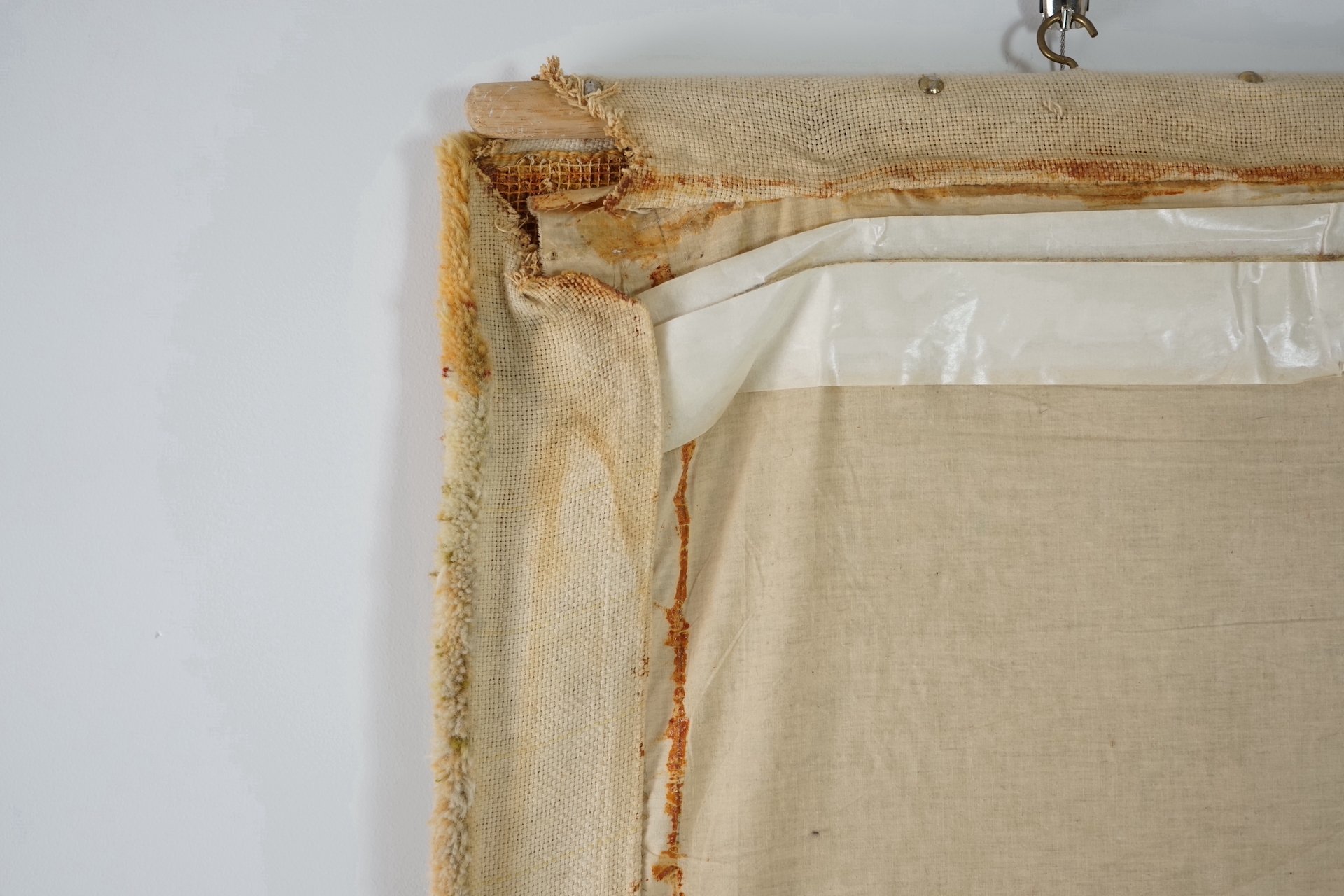 Image 10 of 14
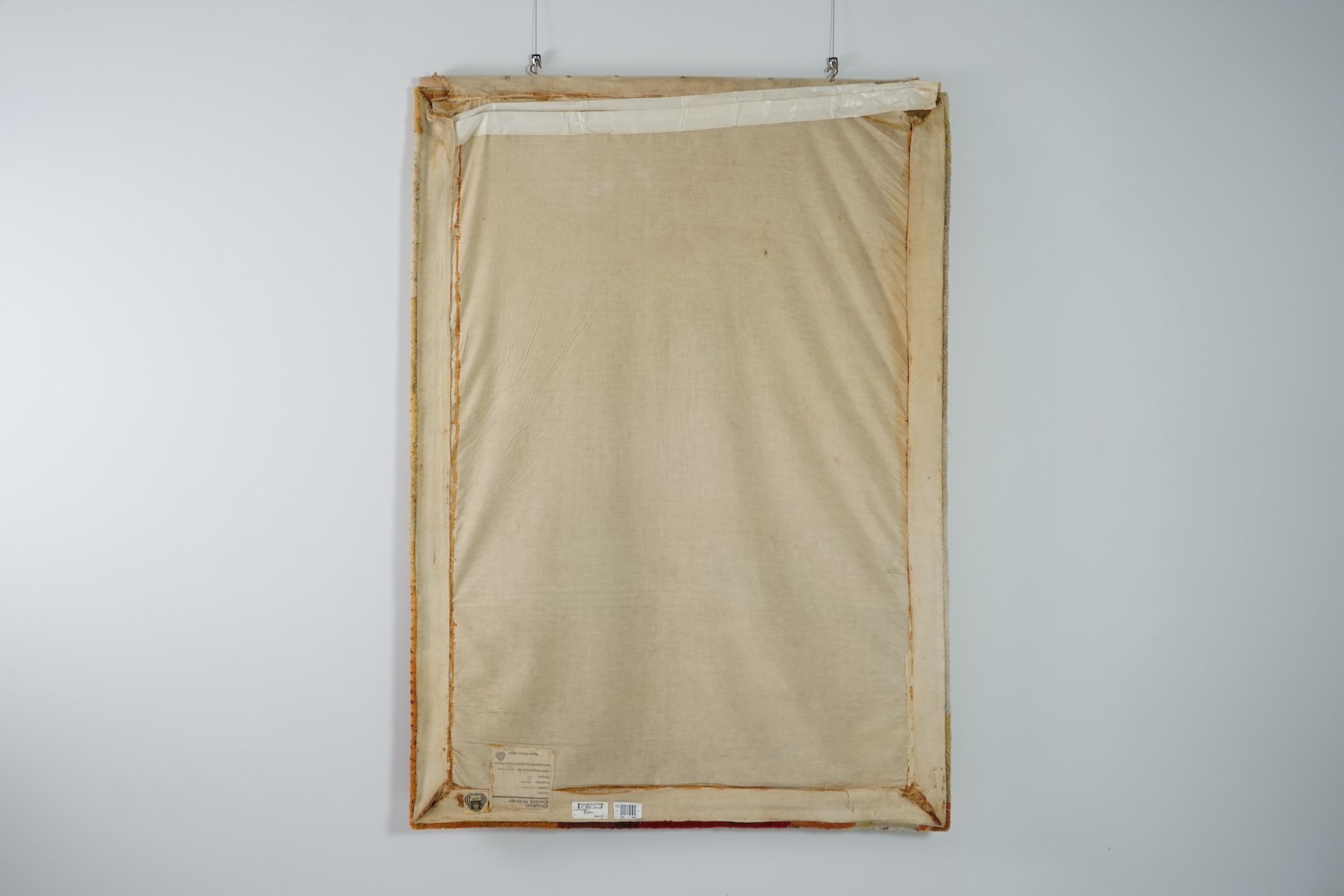 Image 11 of 14
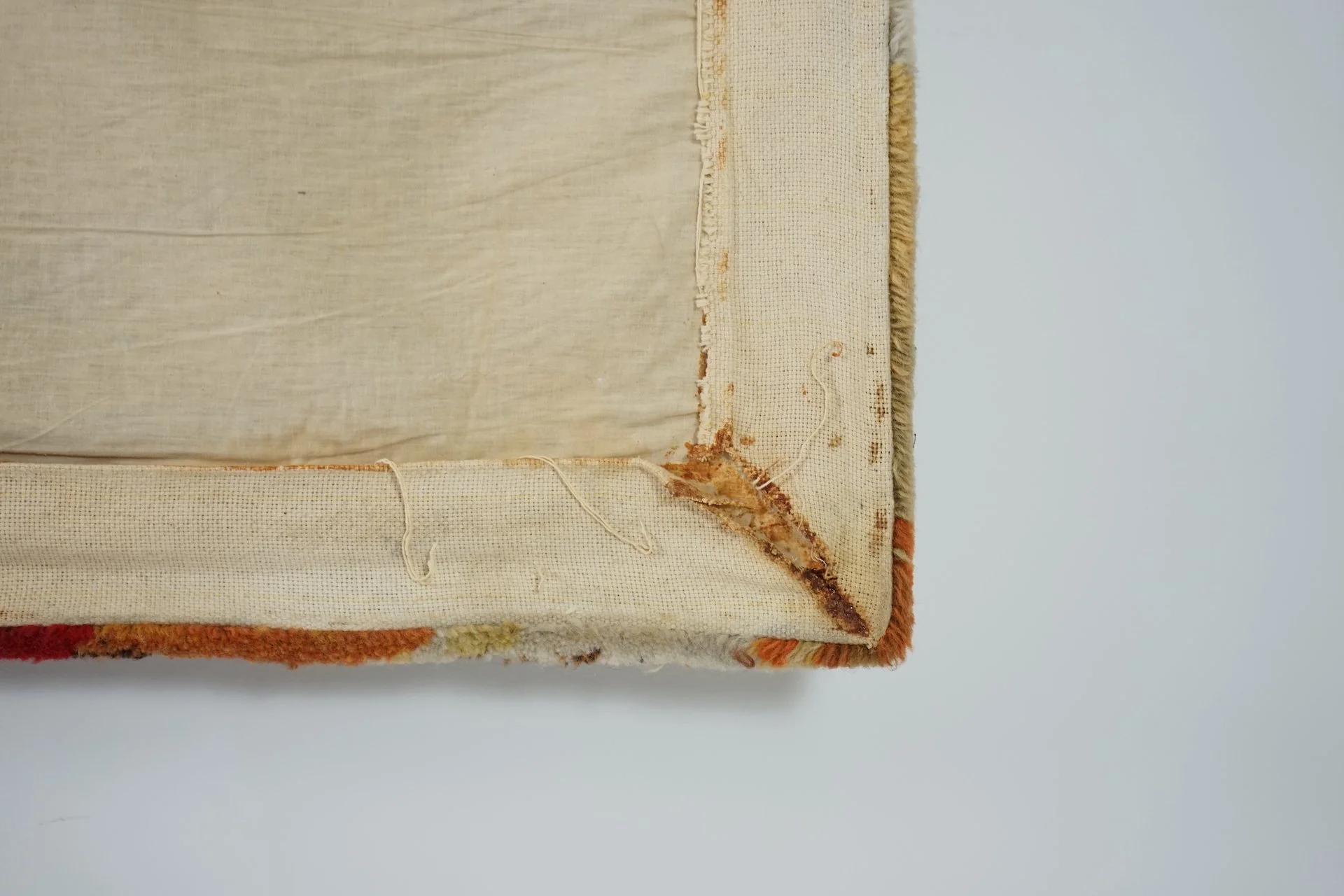 Image 12 of 14
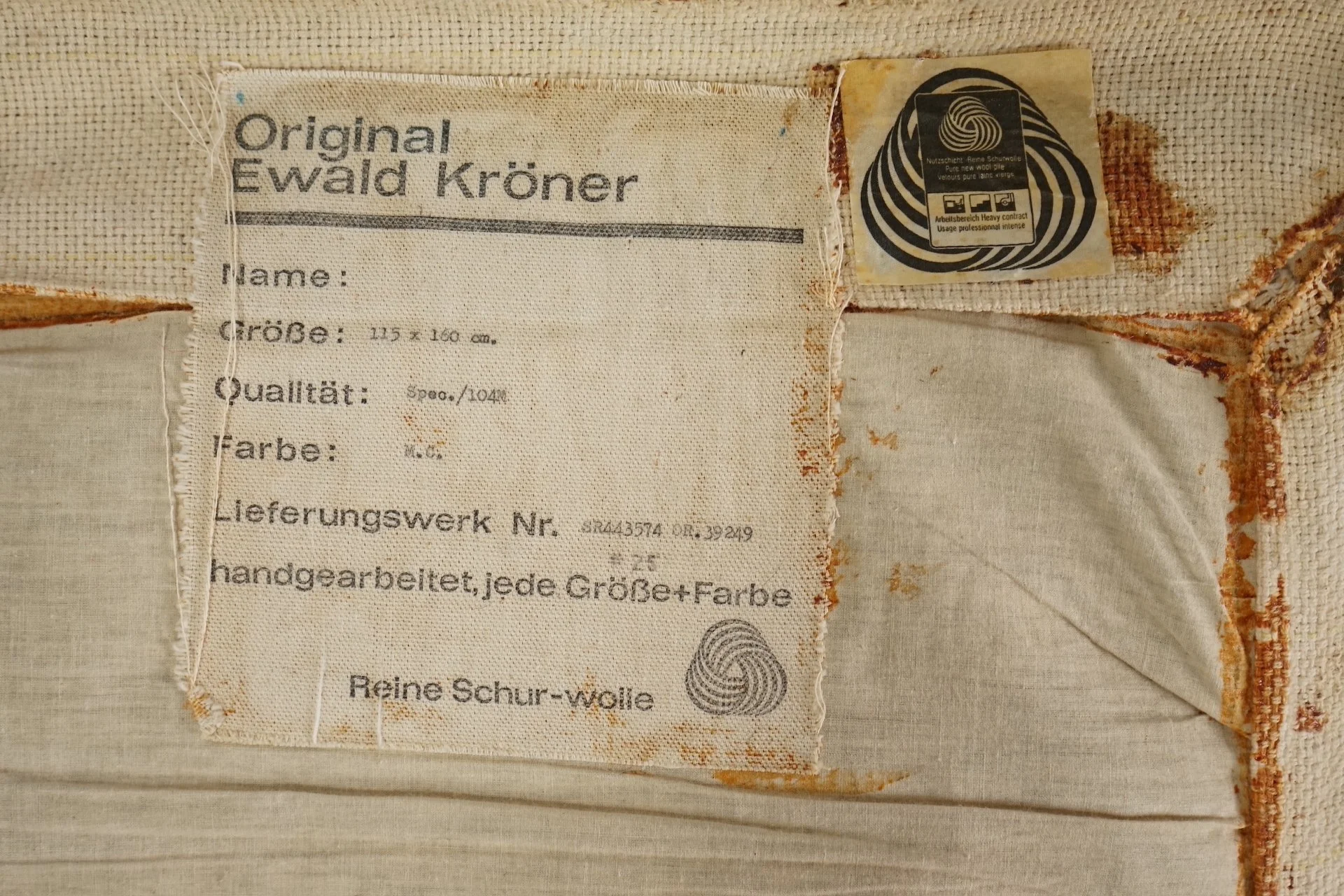 Image 13 of 14
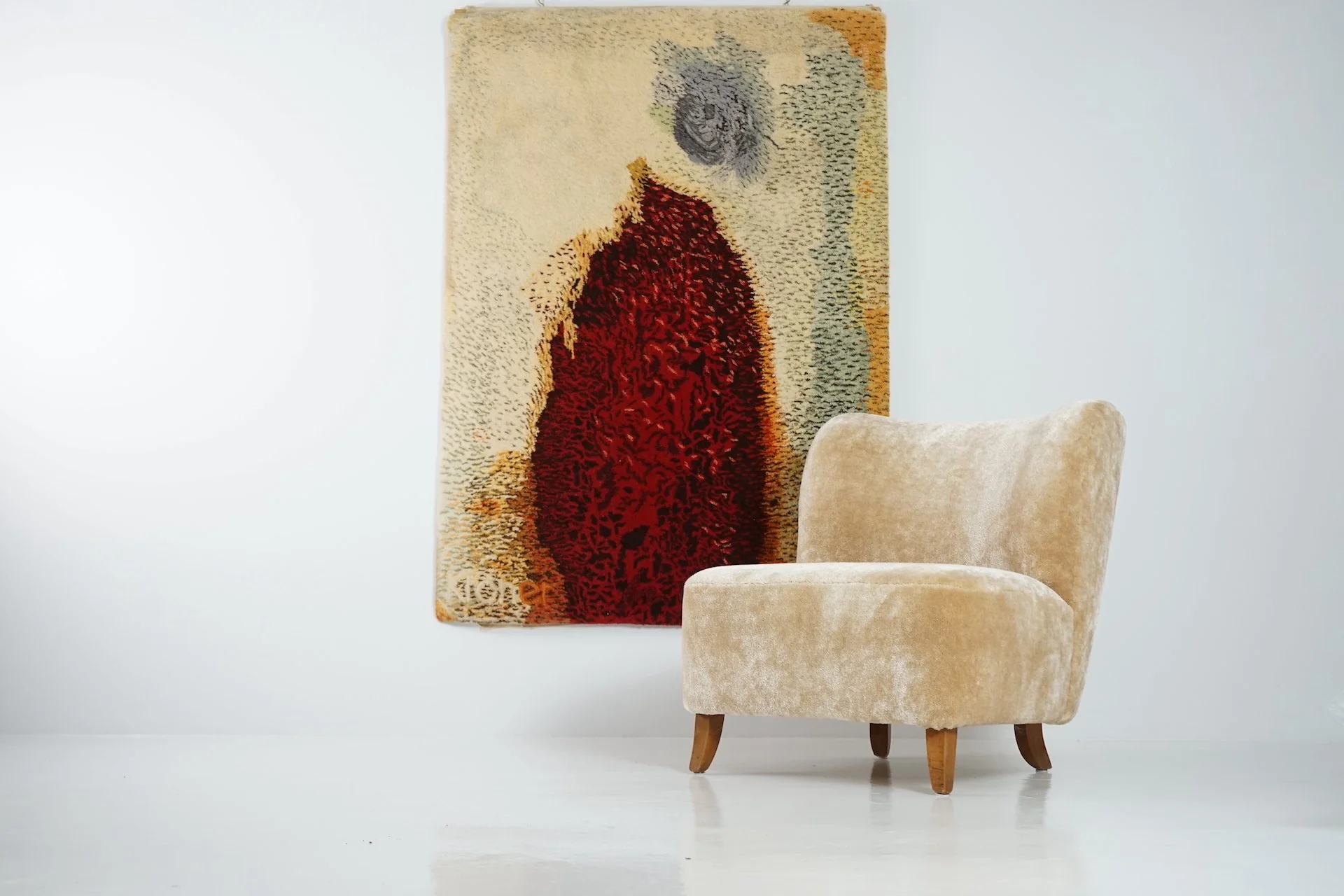 Image 14 of 14