Designer Konstantin Grcic (born 1965)
Brand ClassiCon, Germany
Era 1990s
Production Date 1990s
Materials MDF, natural wood veneer, leather, chrome-plated tubular steel
Dimensions 104 × 41.5 × 122 cm | Depth when open 90 cm | Desk height 74 cm | Compartment width 32.5 cm each
Condition very good original condition
Selected items – We change the way you think about forever.
Konstantin Grcic designed the Orcus Home Desk for ClassiCon in 1993 as a contemporary reinterpretation of the traditional secretary desk. The design combines the compact, enclosed form of a cabinet with the functionality of a fully equipped workspace. When closed, Orcus appears as a restrained, almost floating cabinet resting on an exposed tubular steel frame. When opened, it reveals a clearly organized workspace. Grcic himself describes Orcus as a folding desk for the contemporary home office.
The frame is made of chrome-plated tubular steel, while the lockable cabinet is constructed from veneered MDF. The fold-down writing surface is covered in black leather. Inside are open shelves, four drawers, including a hidden compartment, and a cable opening for a lamp or computer. This combination of precise organization and visual restraint is characteristic of Grcic's early work.
The particular appeal of Orcus lies in its dual function. It is neither a conventional desk nor a purely decorative secretary, but a piece of furniture that deliberately integrates work into the living space and can be completely closed away when not in use. Its clean lines, slender metal legs, and warm wood finish give the design a lightness that allows it to fit naturally into smaller or open-plan interiors.
For design enthusiasts, Orcus is also an early example of the longstanding collaboration between Konstantin Grcic and ClassiCon. In contemporary interiors, it is perhaps even more relevant today than when it was first introduced: a well-organized, lockable workspace that offers full functionality without the appearance of a conventional office desk.
In our opinion, it is one of the most aesthetically refined secretary desks: postmodern, timeless, and minimalist in its elegance.
Condition Report
The secretary desk is in overall very good condition, consistent with its age and use.
The wood shows changes caused by exposure to sunlight, which are particularly noticeable inside the cabinet when the drawers are removed. Depending on the lighting, these changes can also be seen on the top surface of the furniture.
The top also shows light signs of wear typical of its age, including a very minor indentation and occasional scratches. Depending on the viewing angle, the latter are barely visible or not visible at all.
Overall, this is a very well-preserved secretary desk without any major defects. Its history and patina become apparent only upon closer inspection and under certain lighting conditions. A piece of furniture that will bring its new owner enjoyment for many years to come.
Request more information

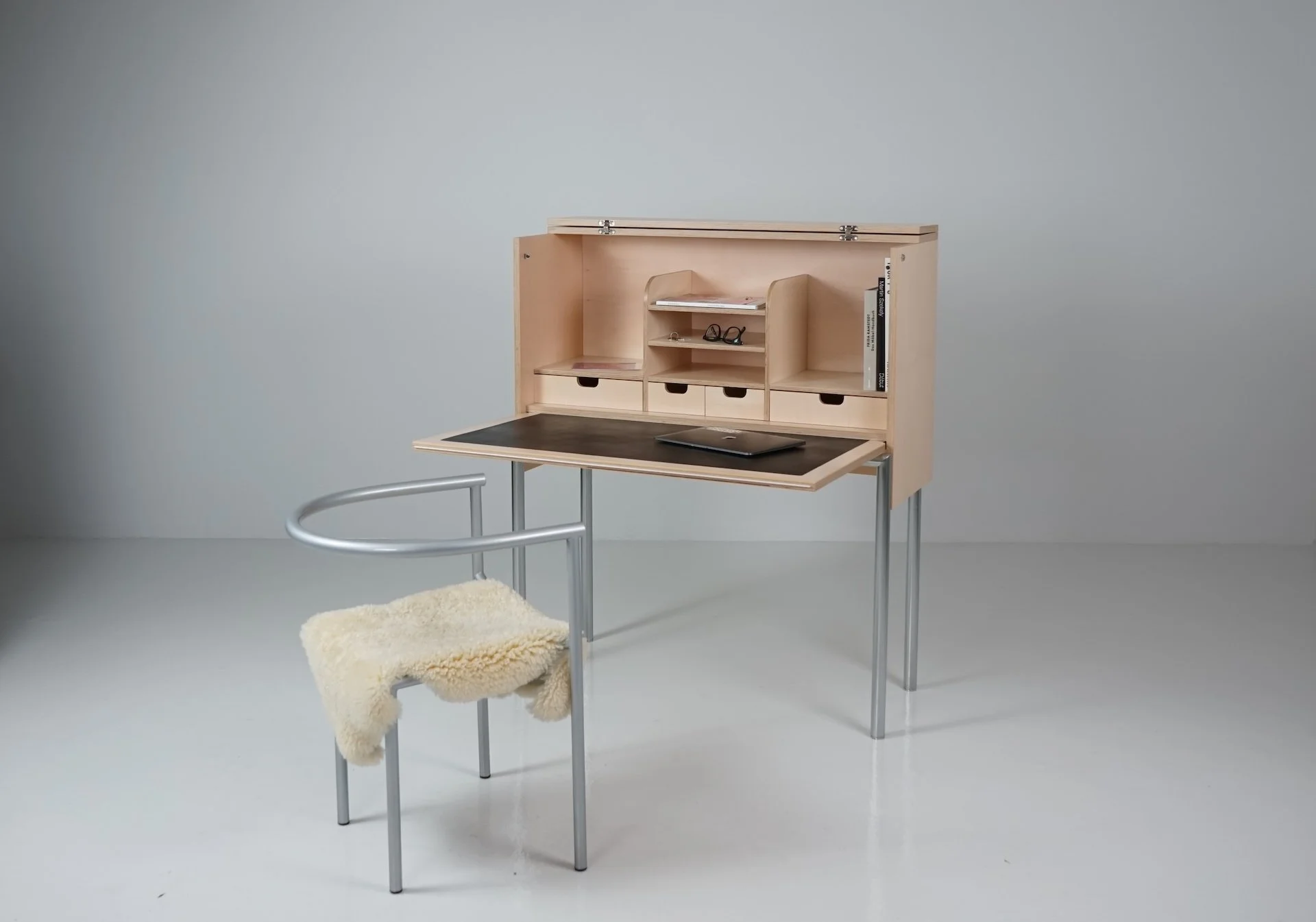 Image 1 of 27
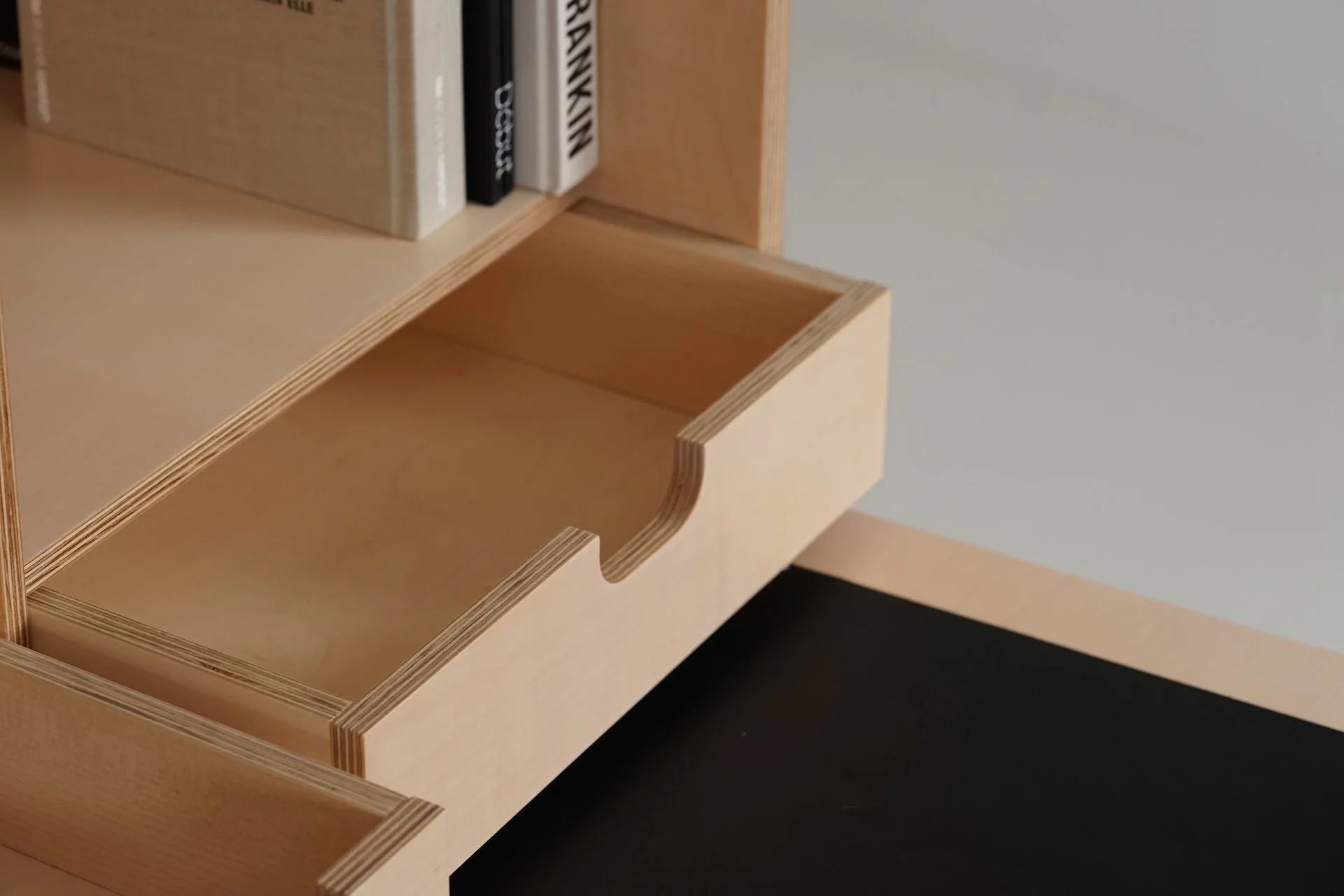 Image 2 of 27
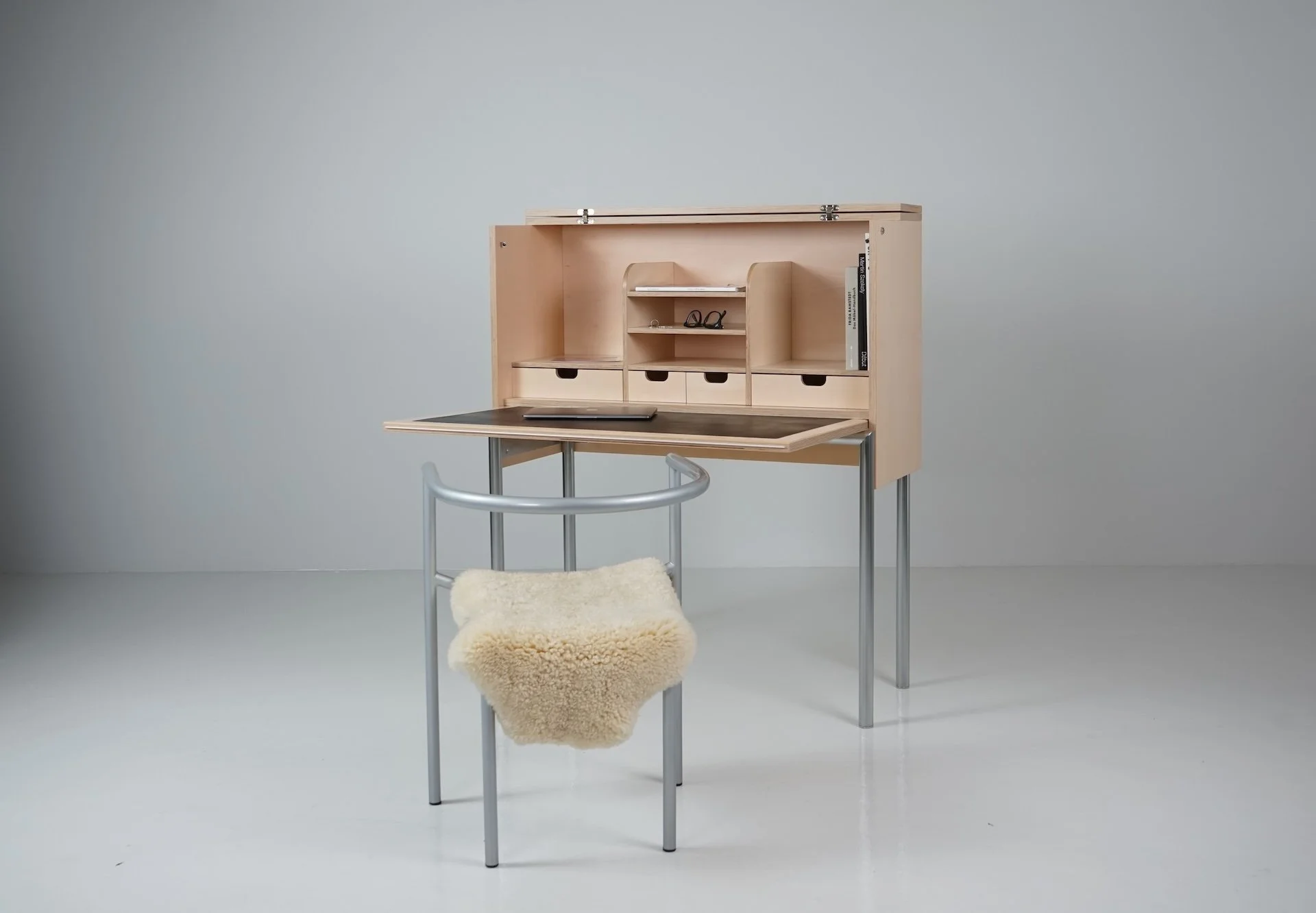 Image 3 of 27
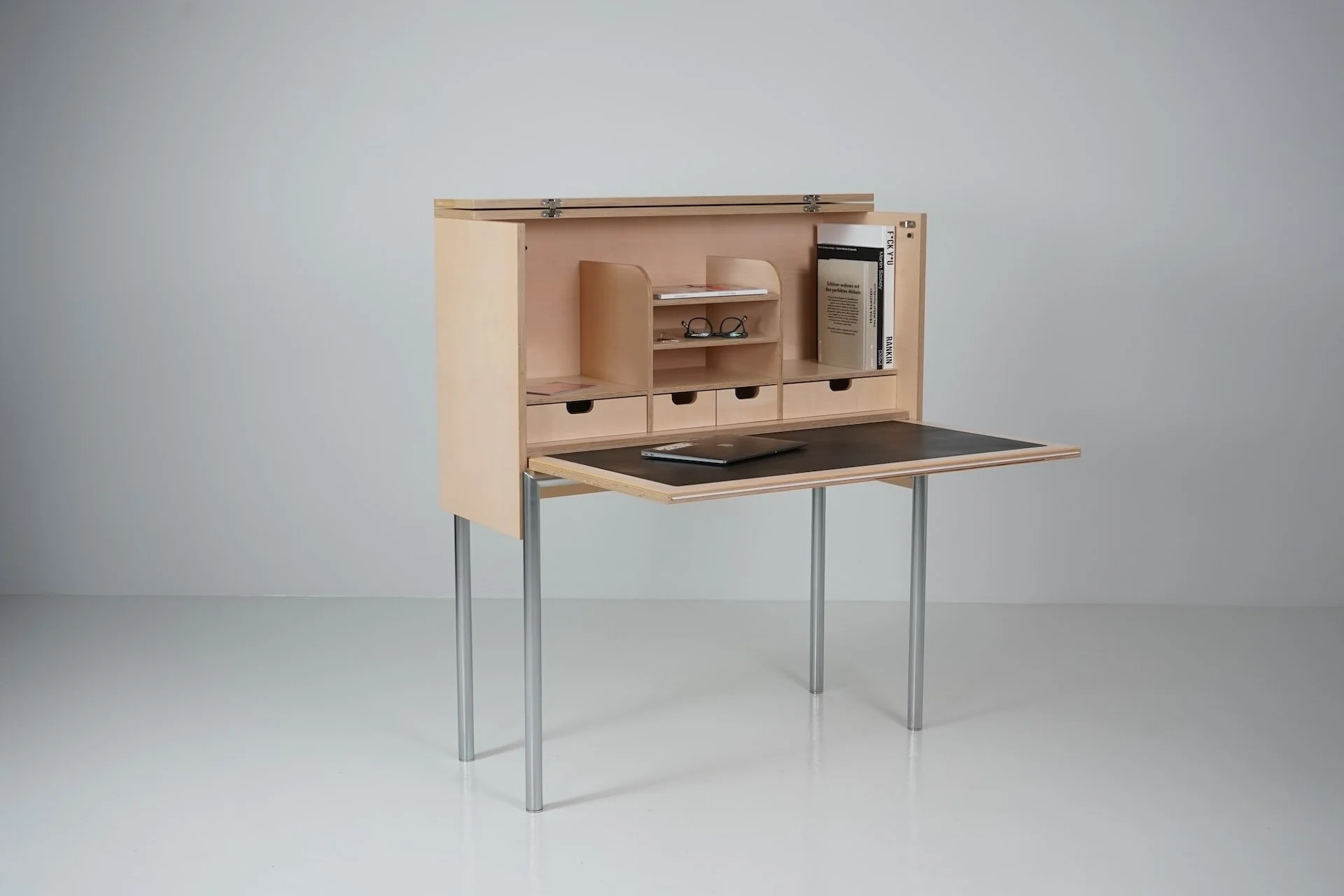 Image 4 of 27
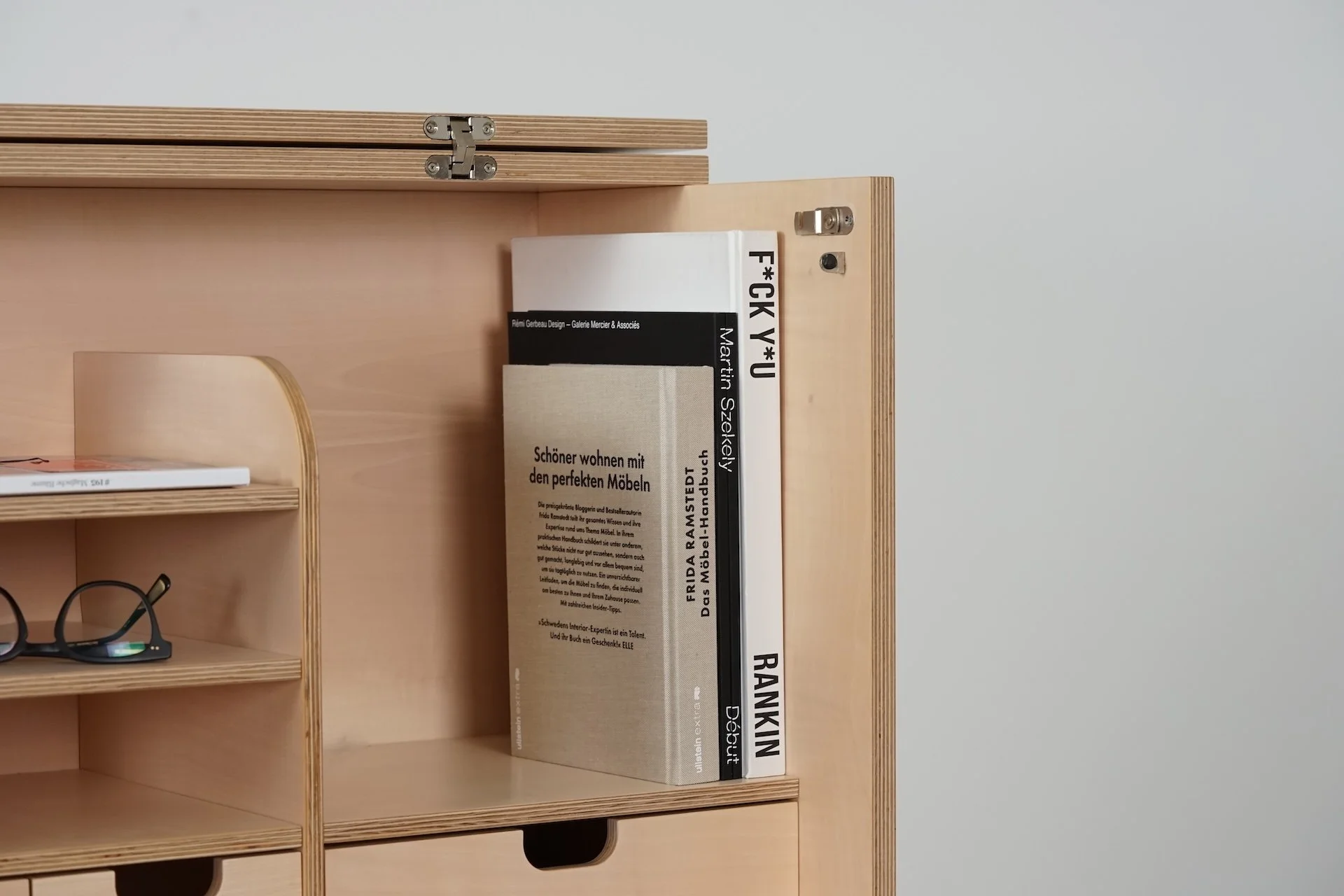 Image 5 of 27
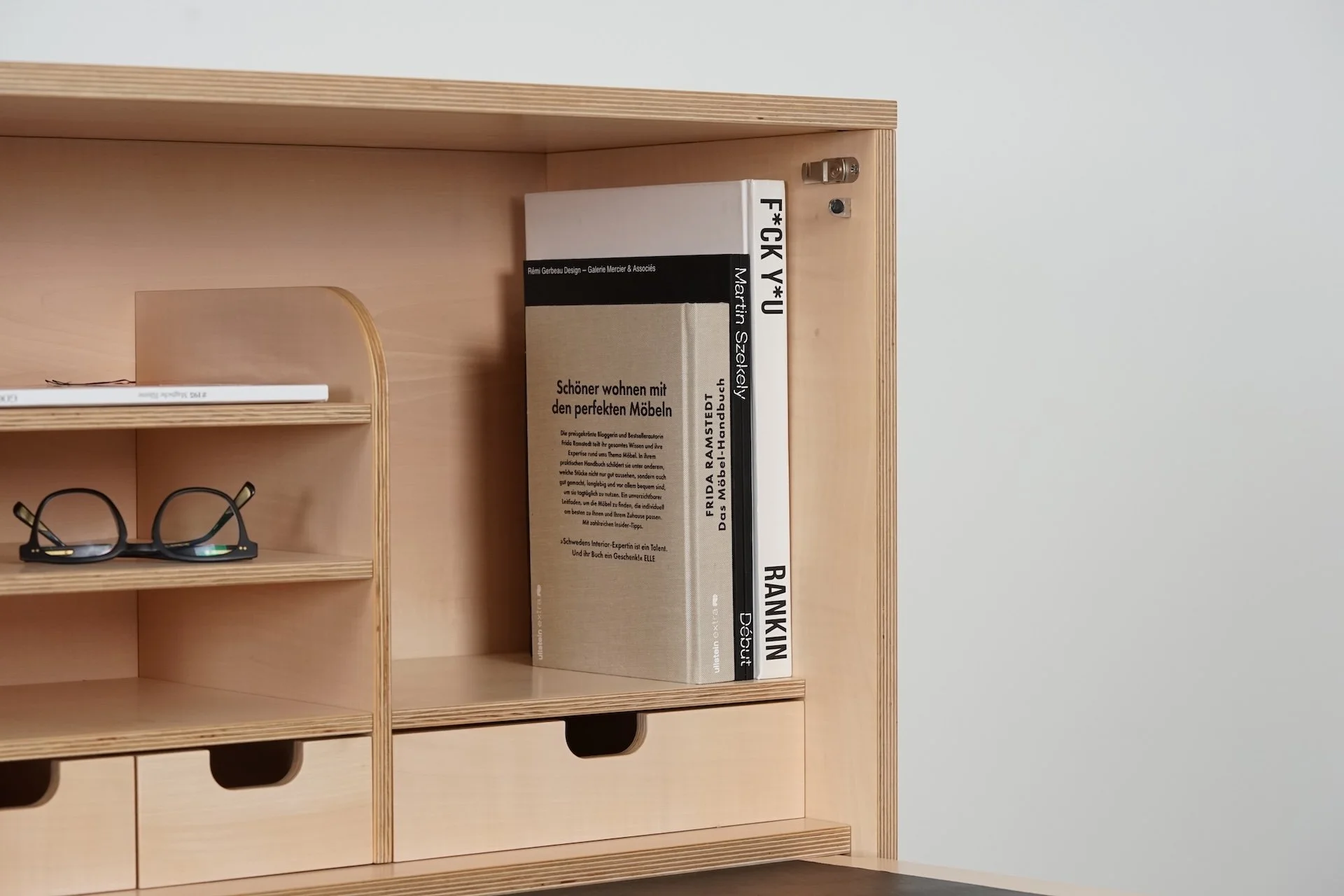 Image 6 of 27
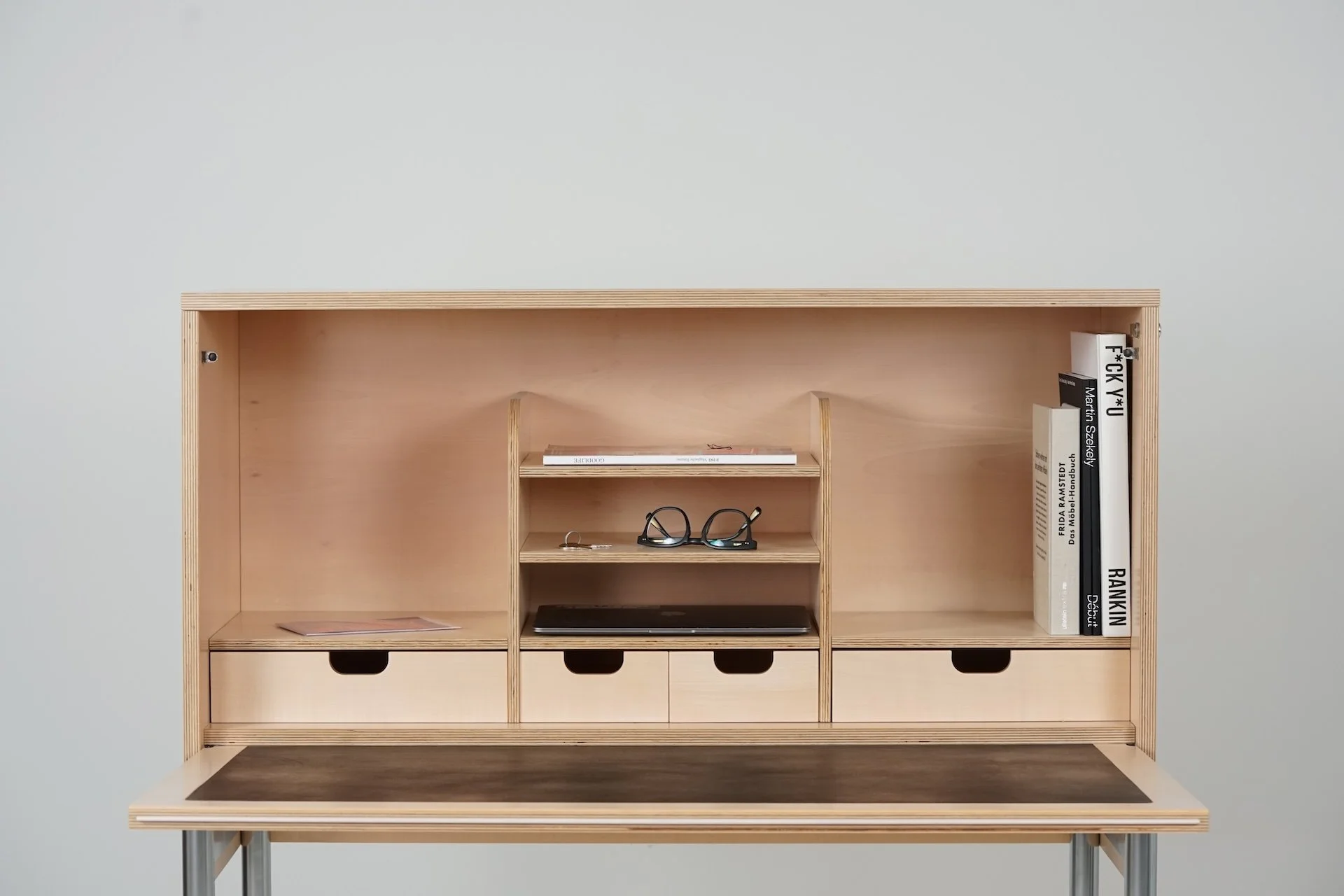 Image 7 of 27
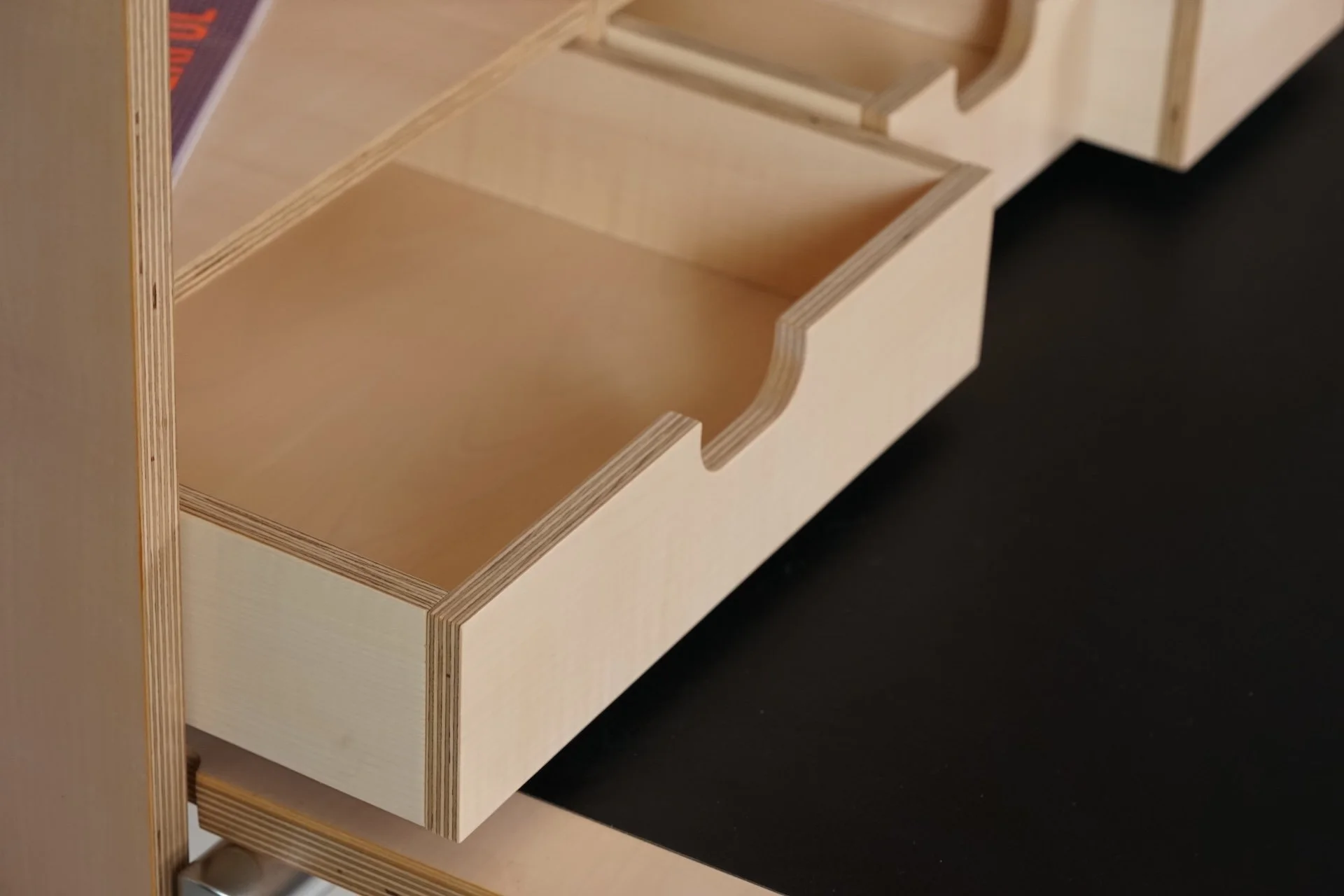 Image 8 of 27
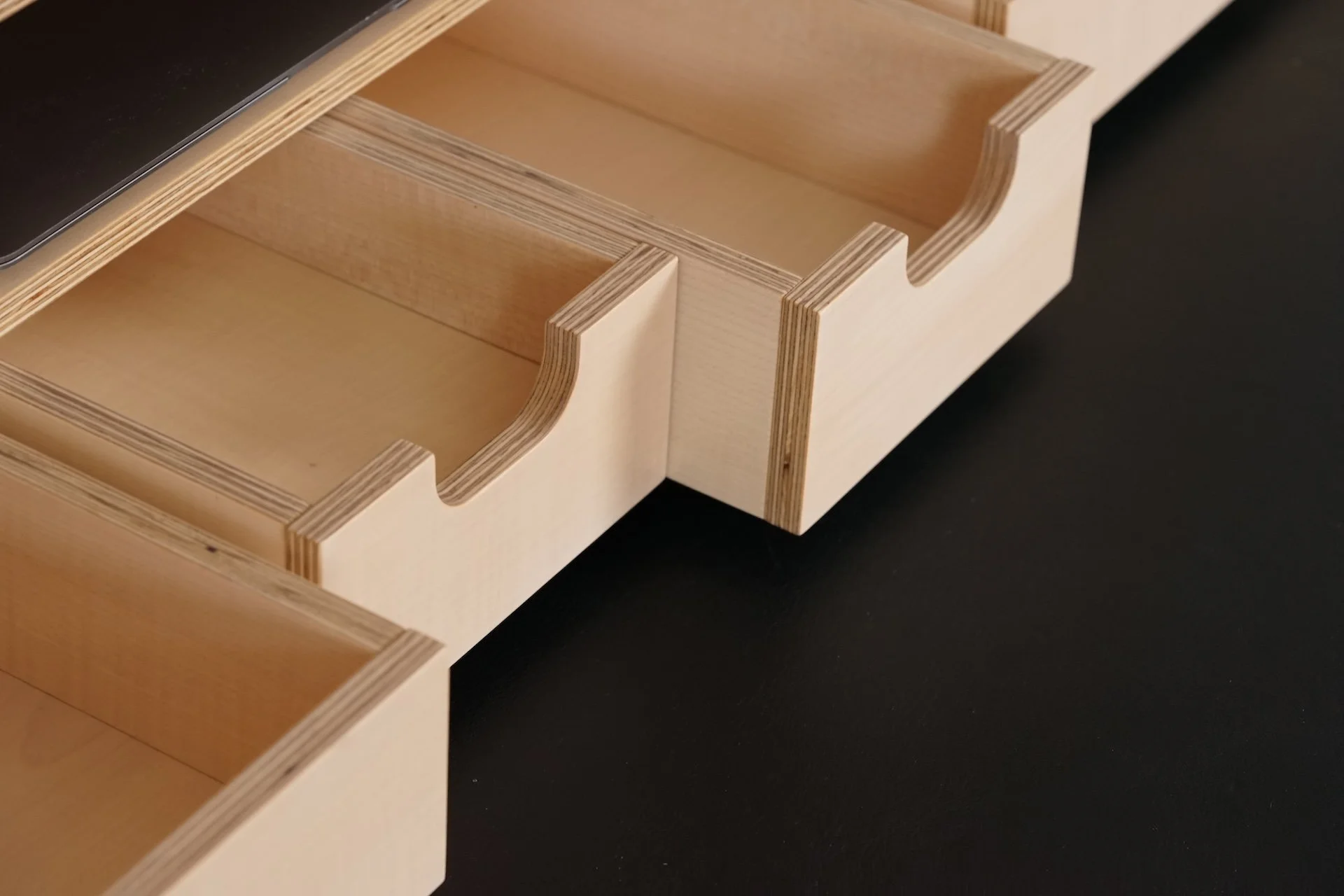 Image 9 of 27
 Image 10 of 27
 Image 11 of 27
 Image 12 of 27
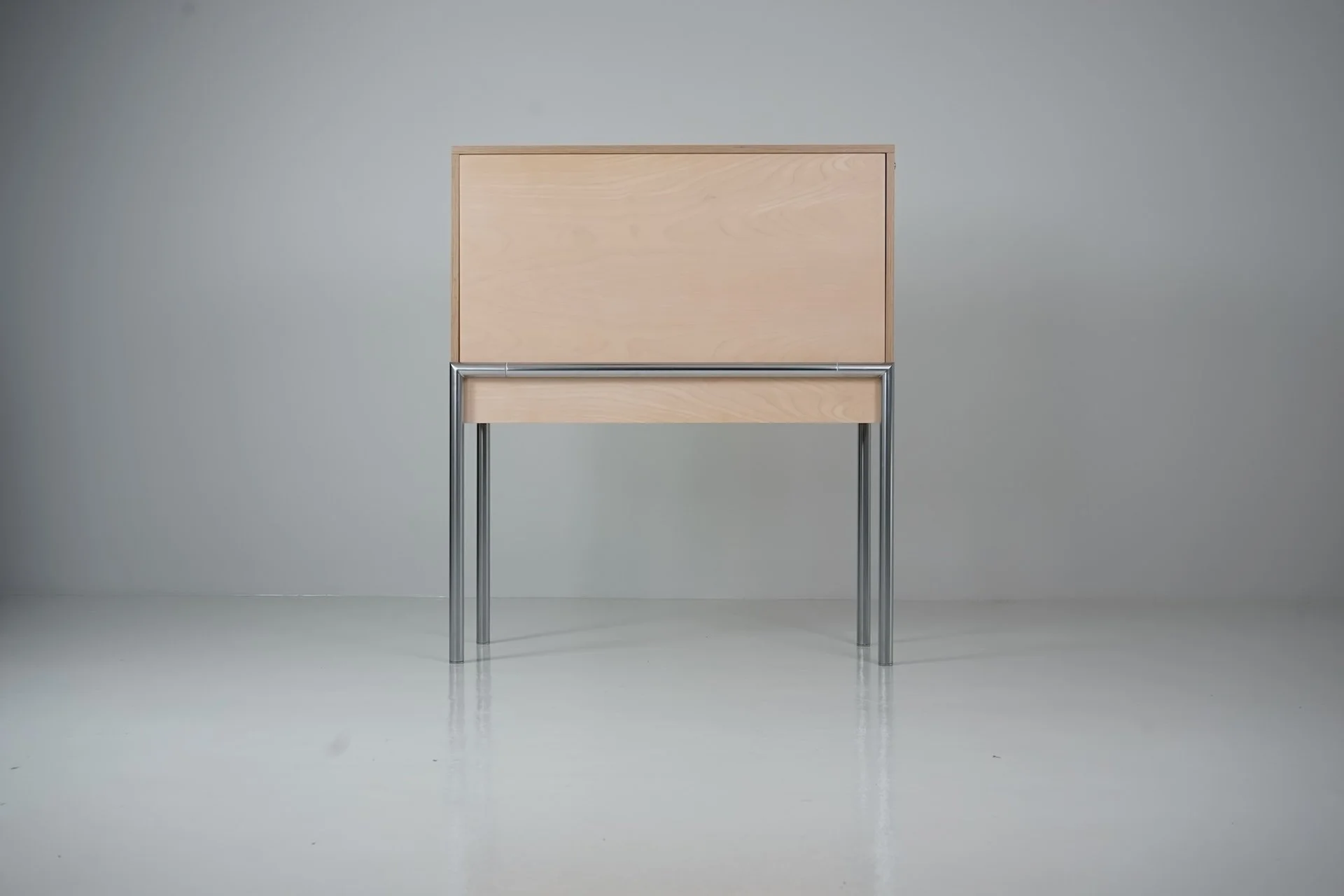 Image 13 of 27
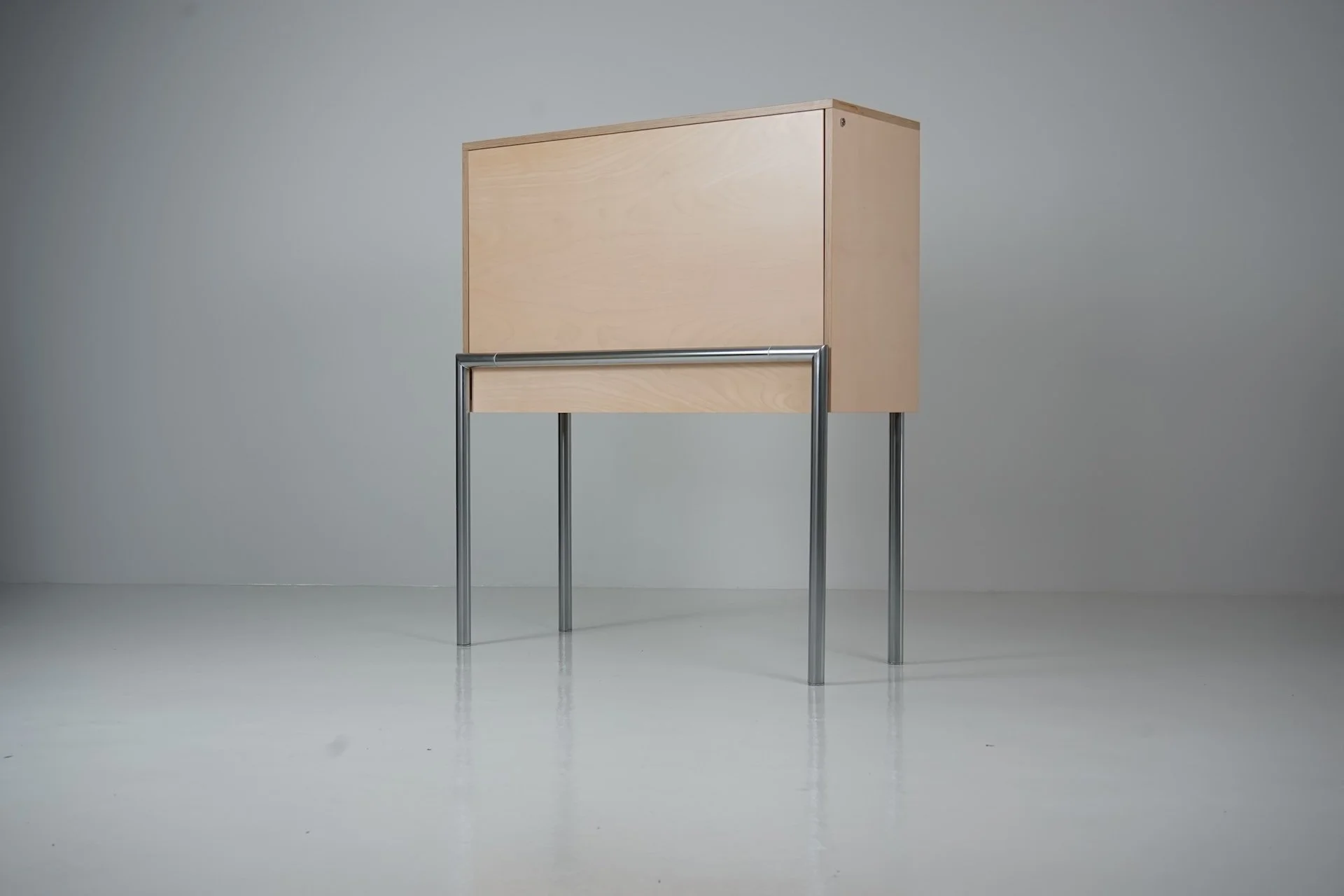 Image 14 of 27
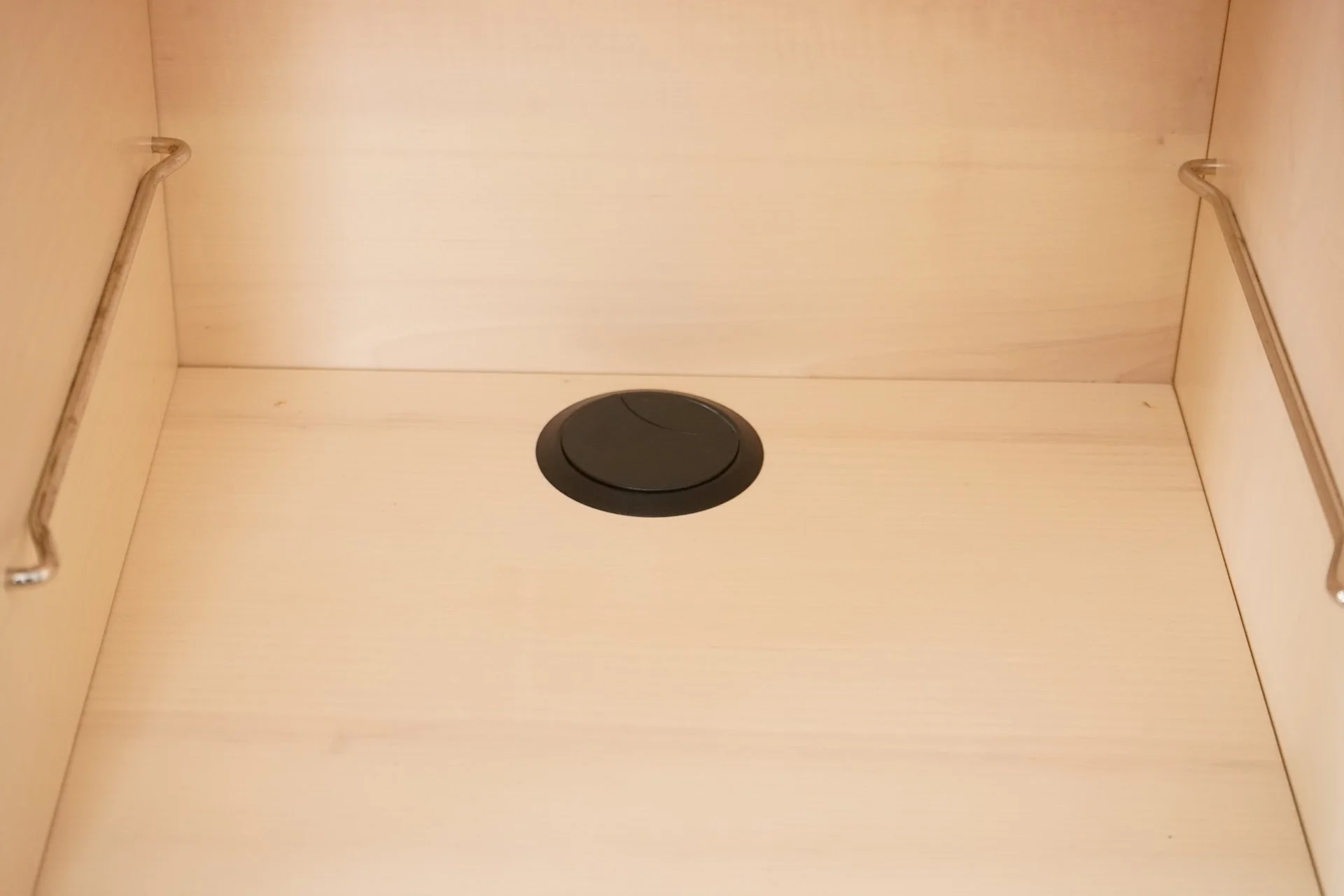 Image 15 of 27
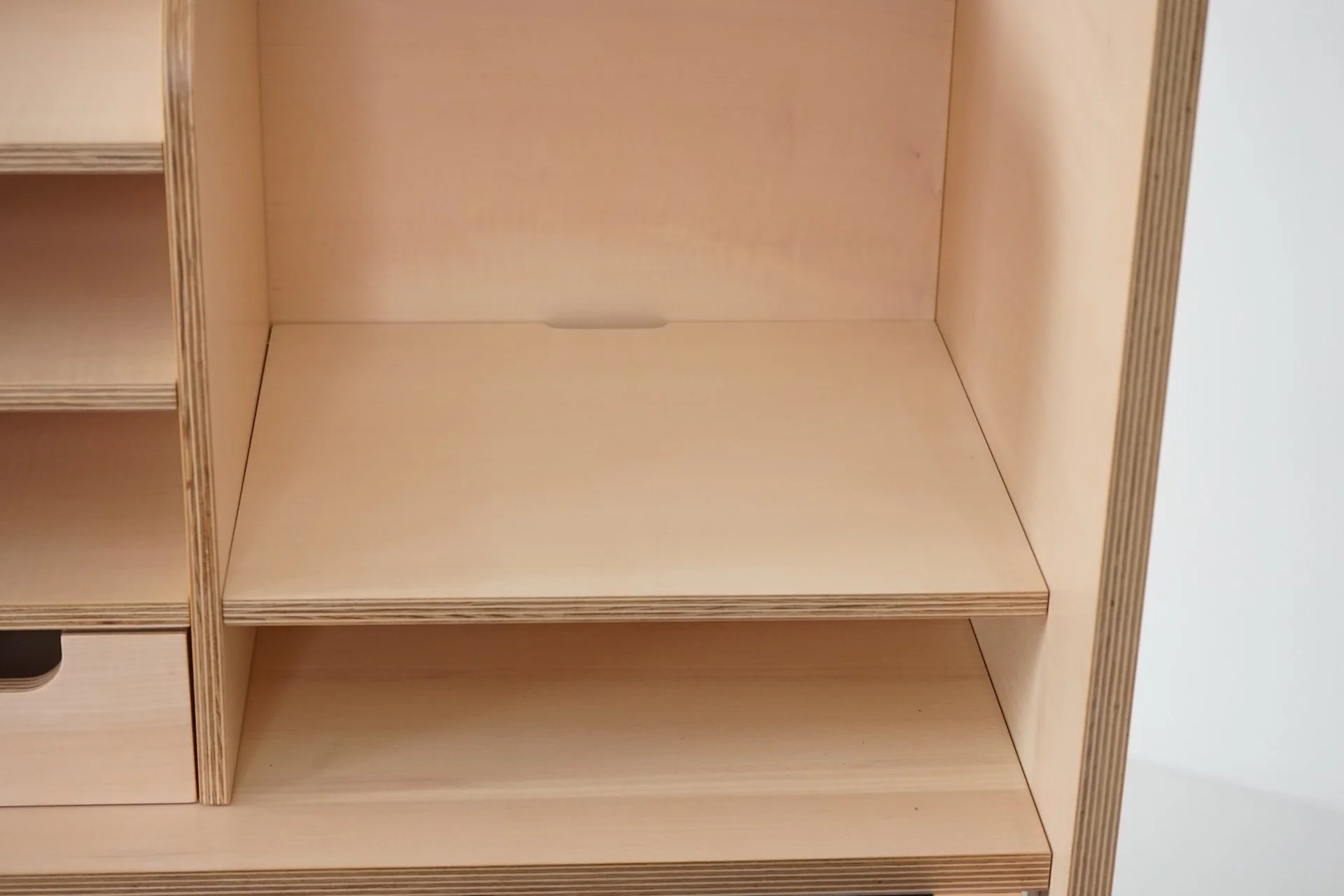 Image 16 of 27
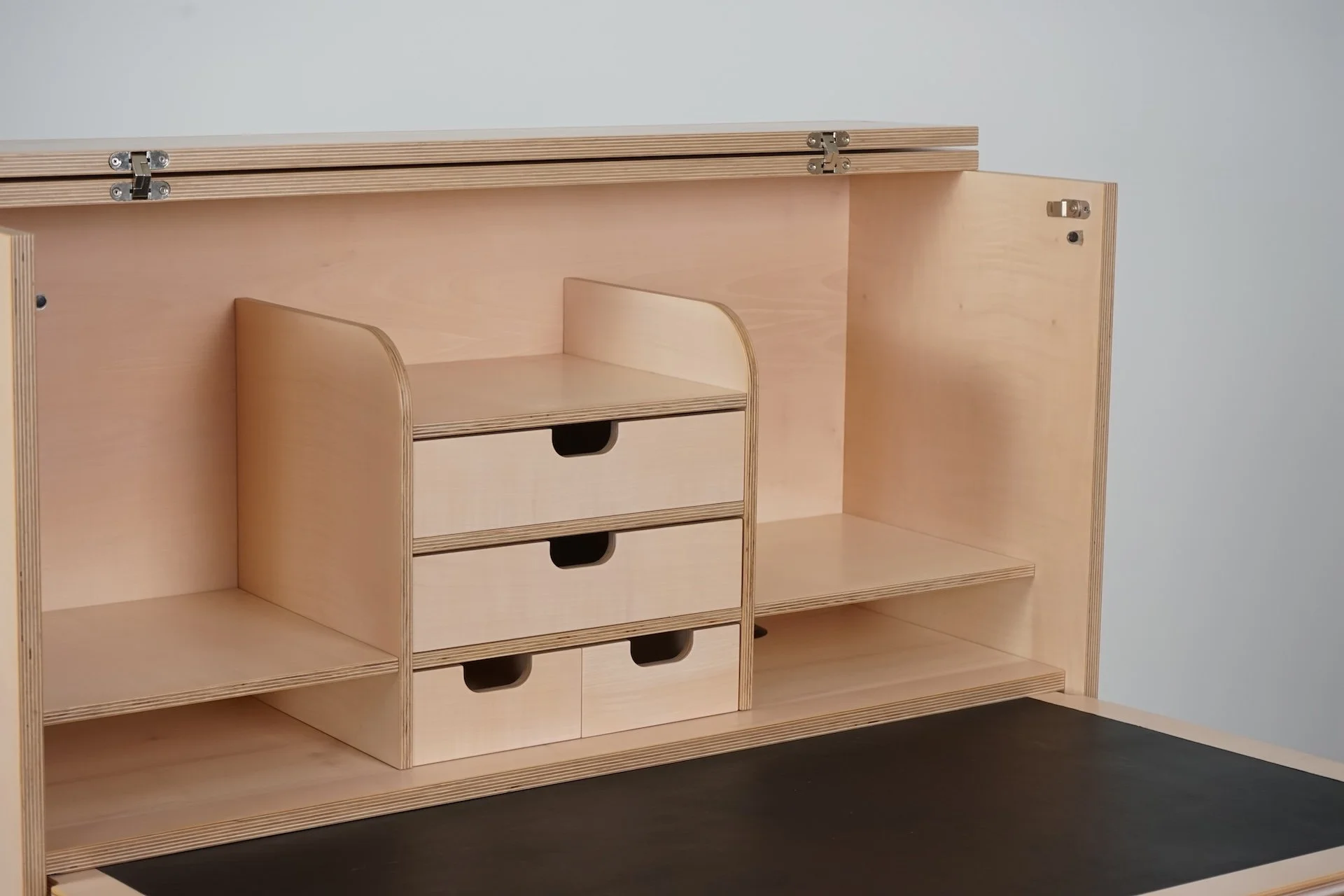 Image 17 of 27
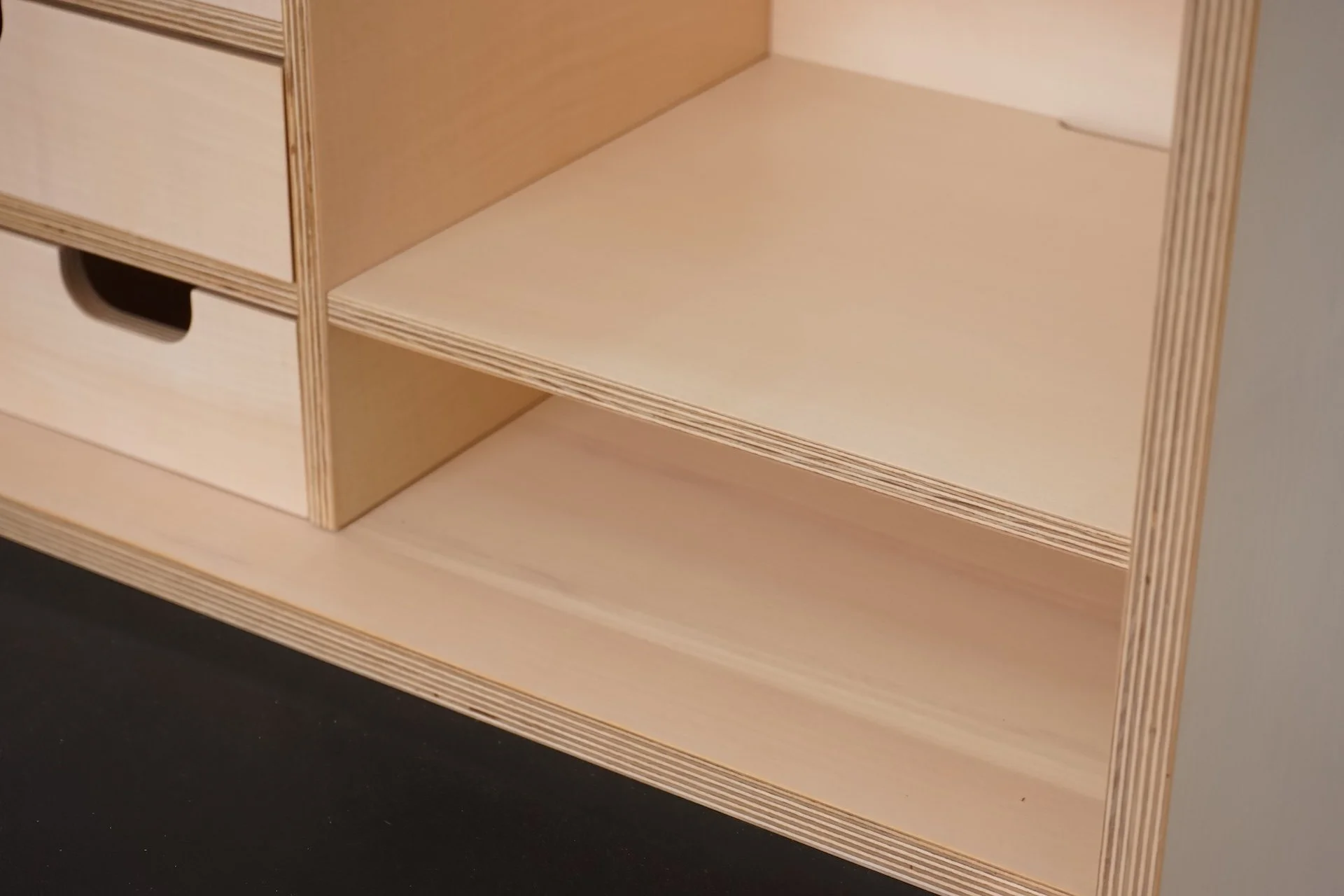 Image 18 of 27
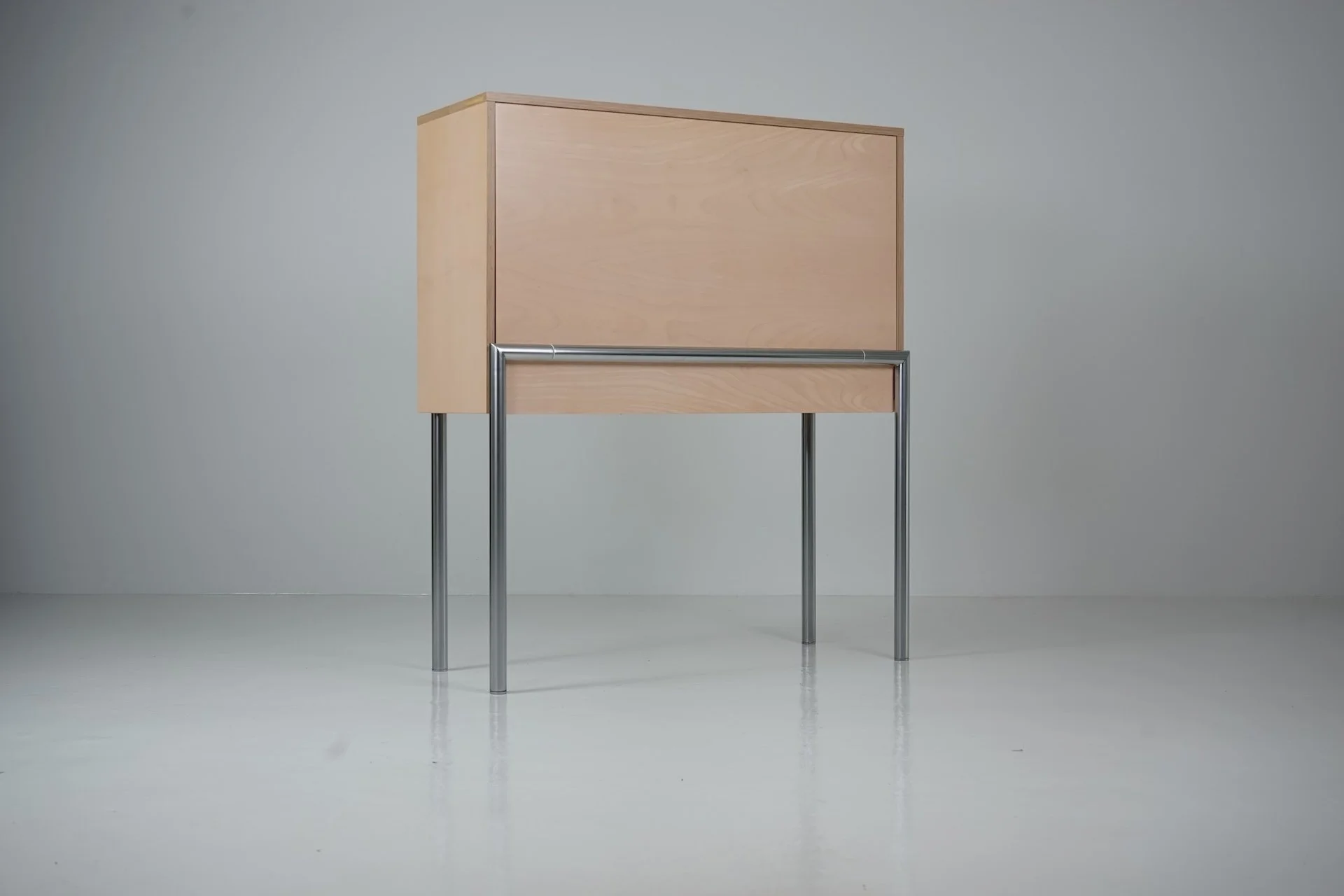 Image 19 of 27
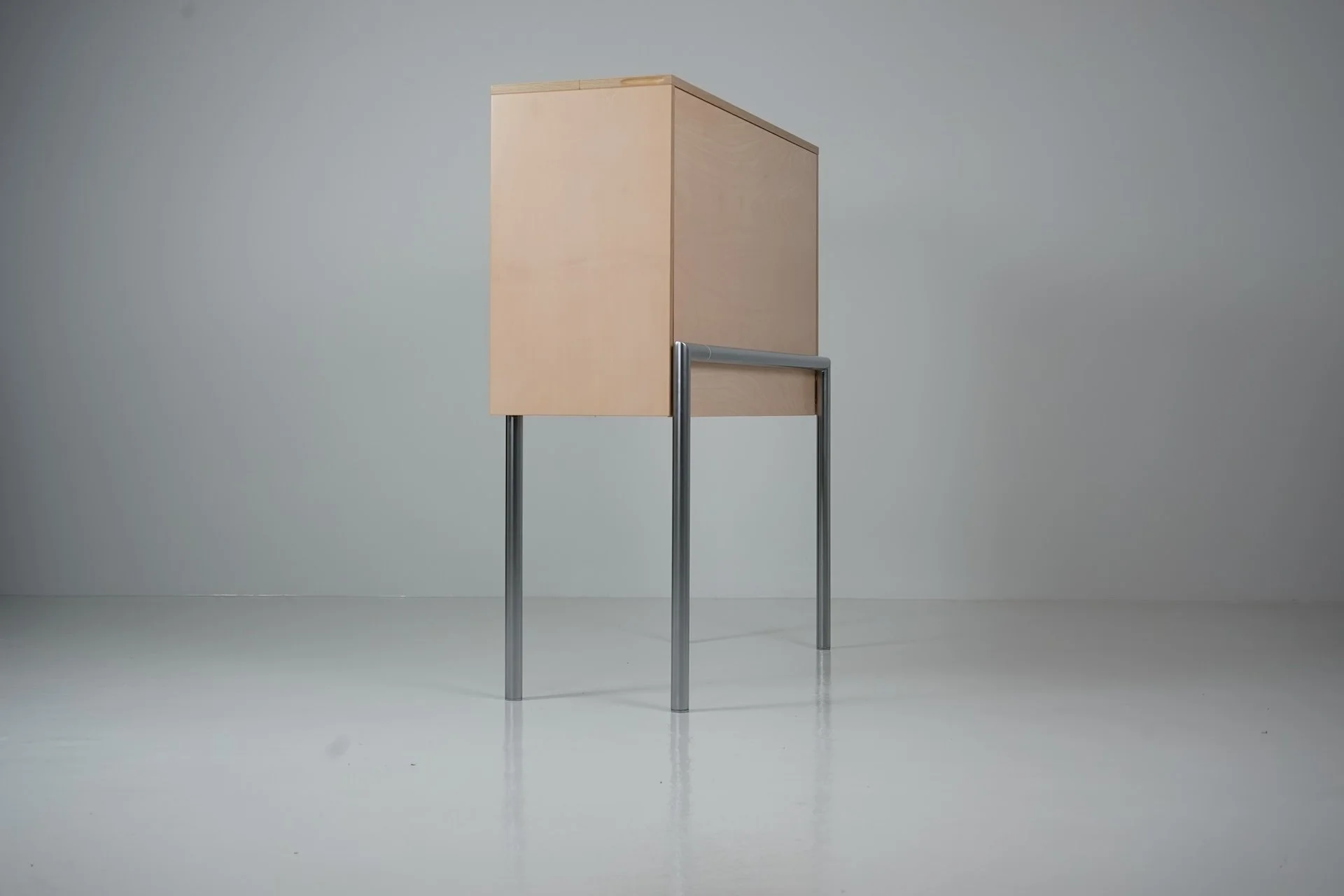 Image 20 of 27
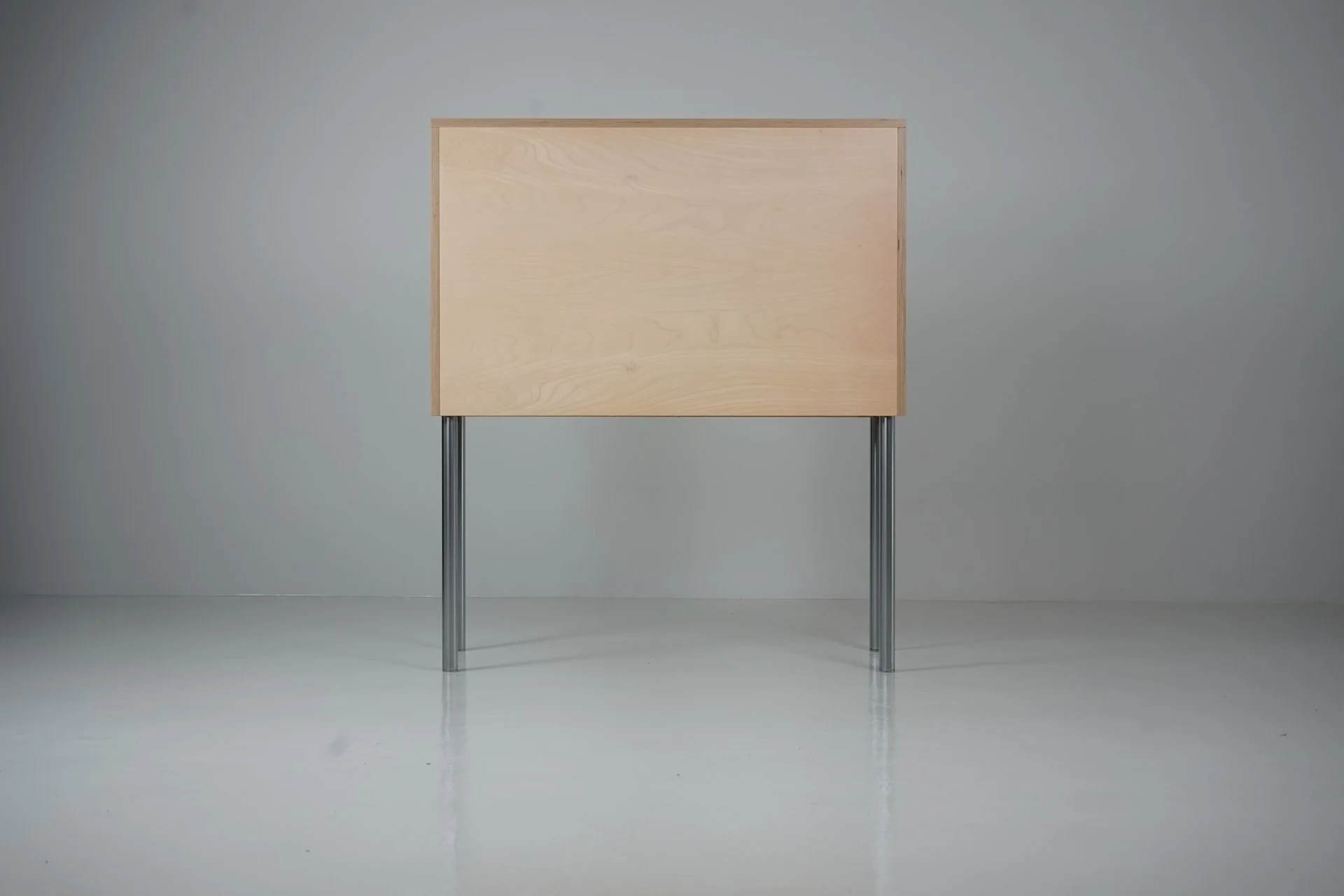 Image 21 of 27
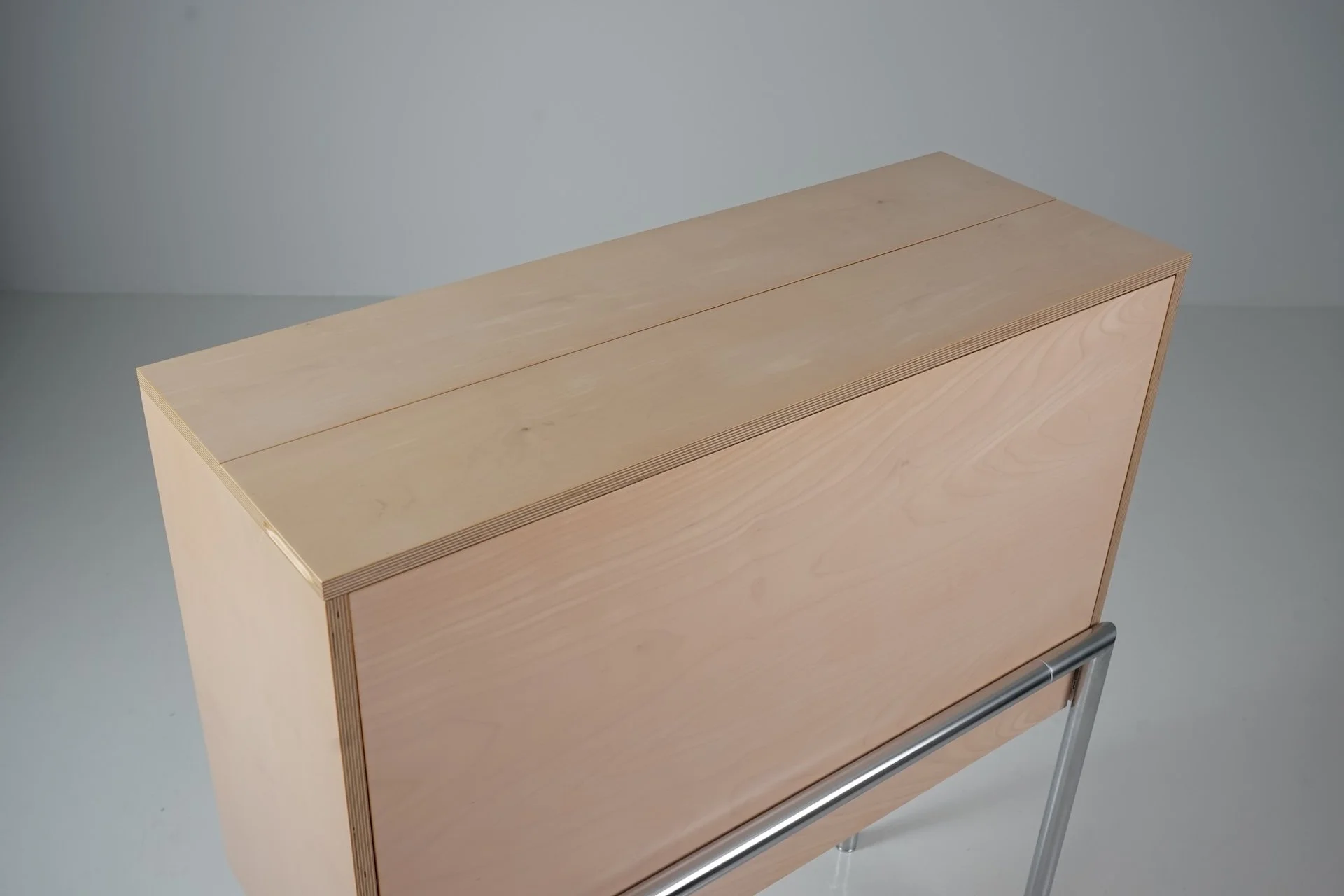 Image 22 of 27
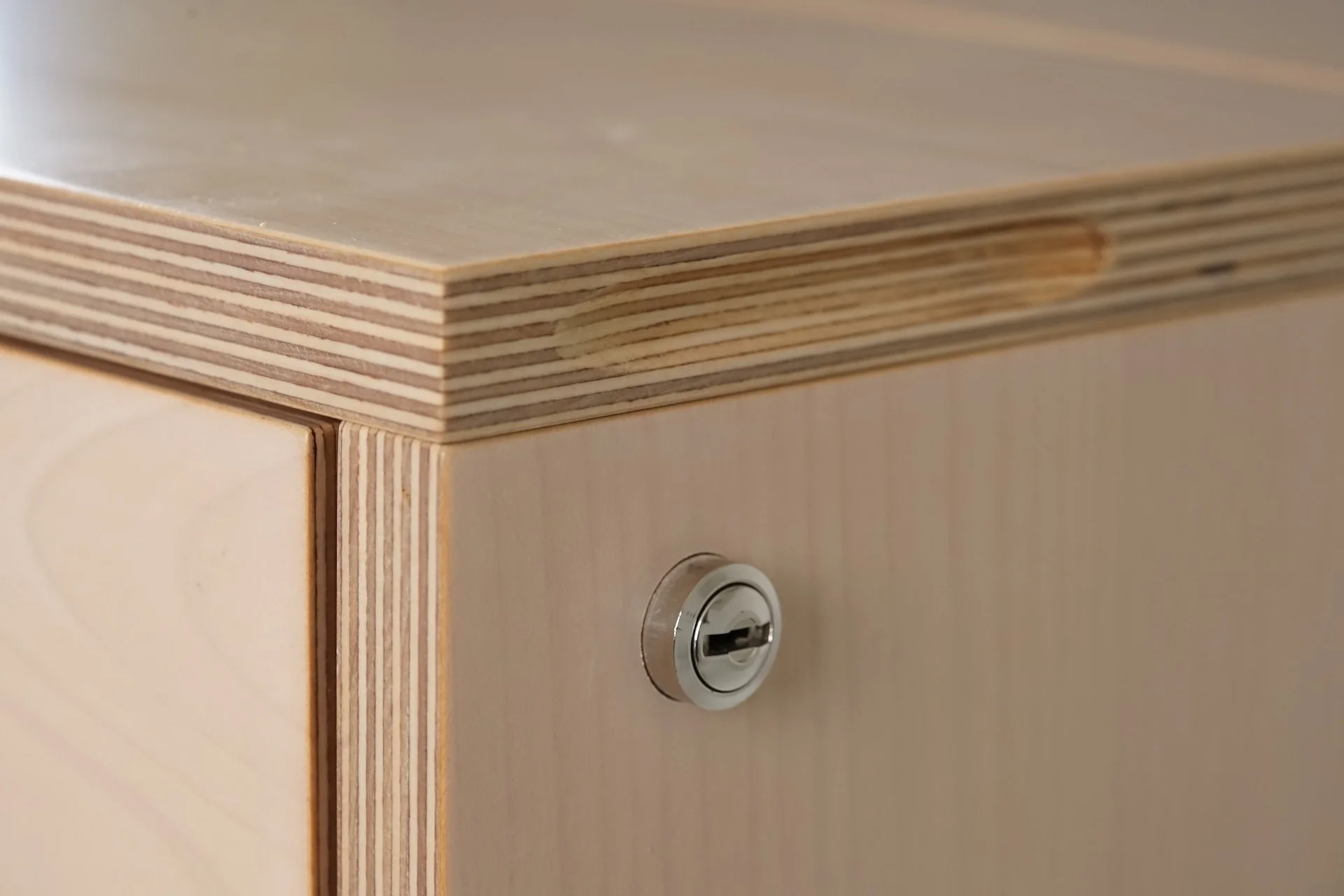 Image 23 of 27
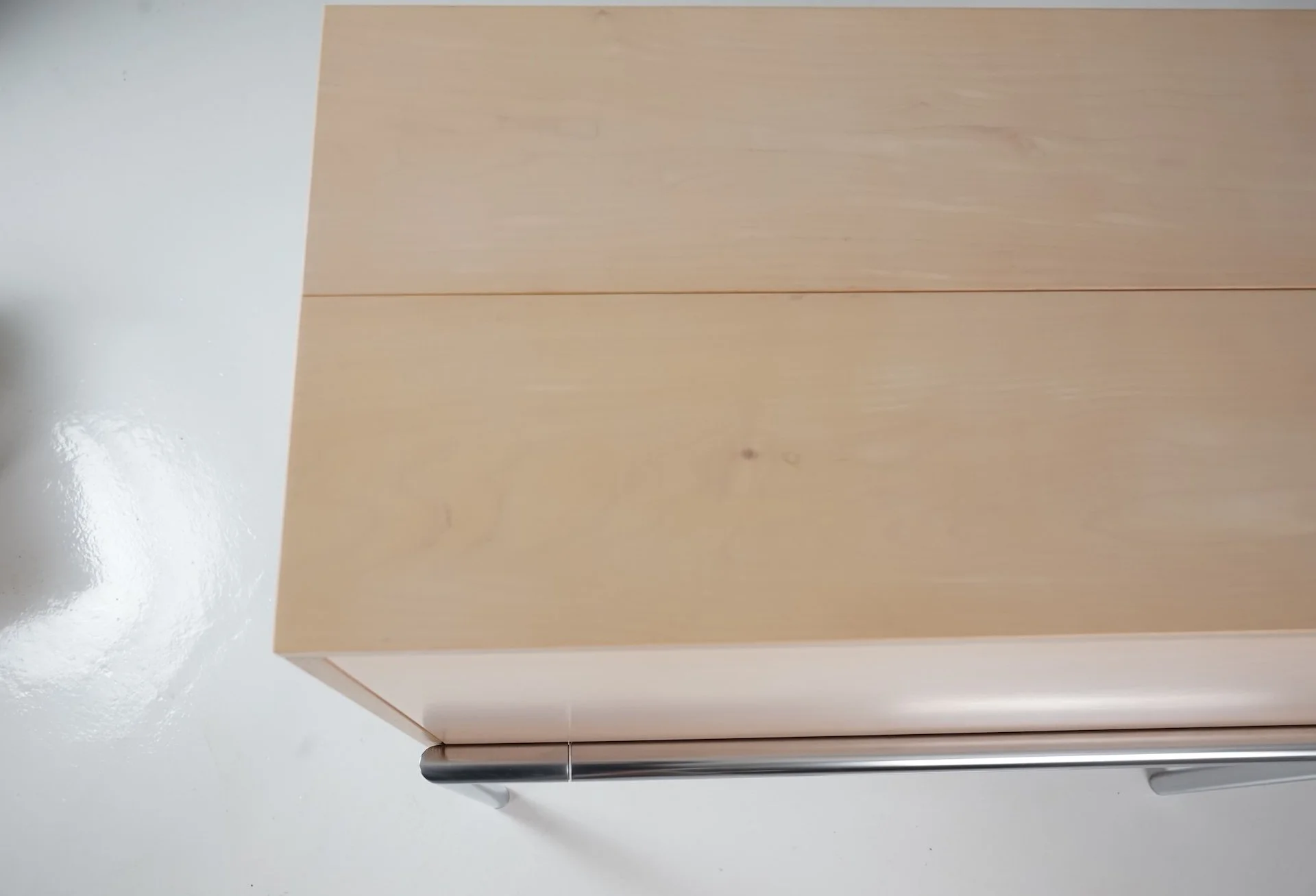 Image 24 of 27
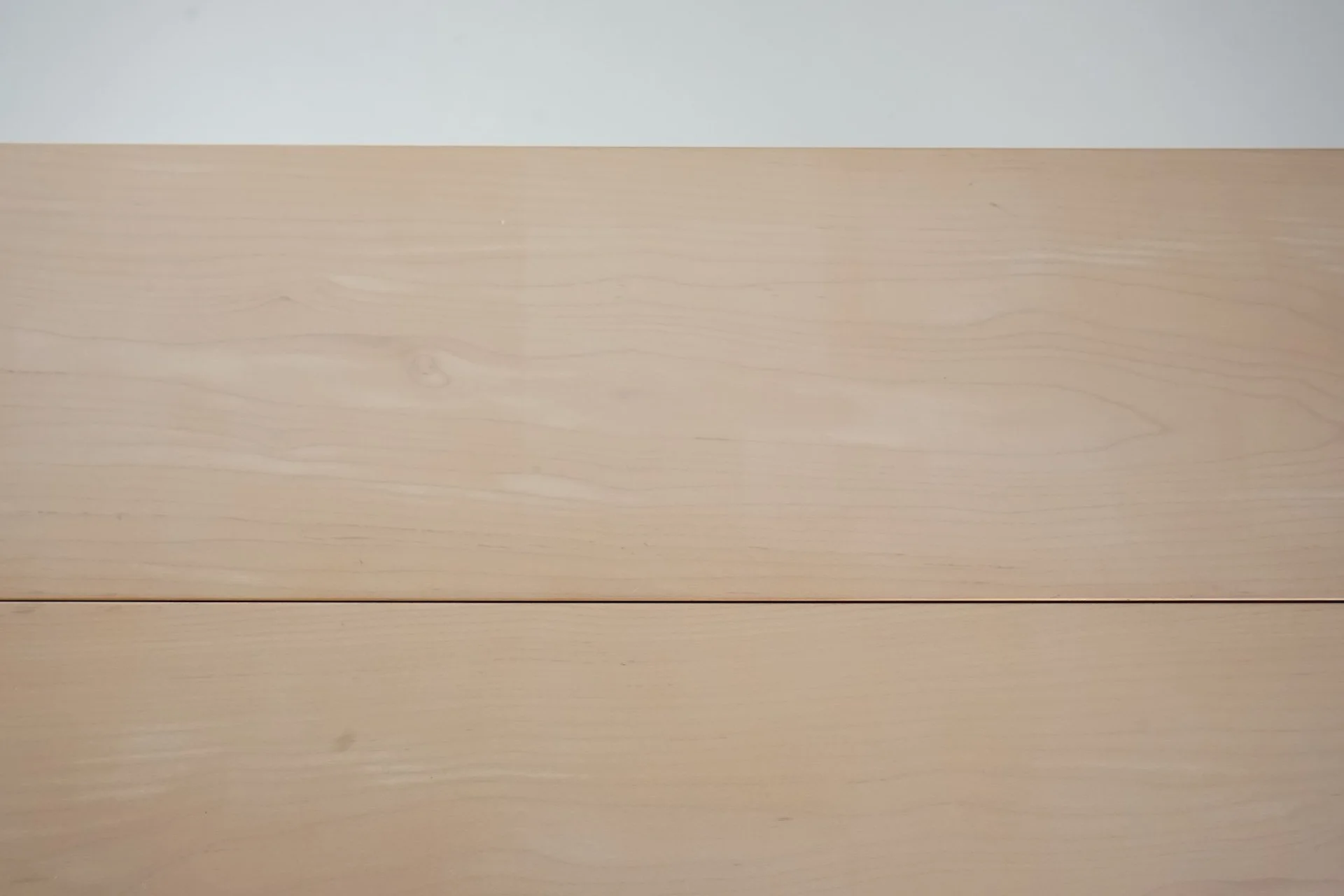 Image 25 of 27
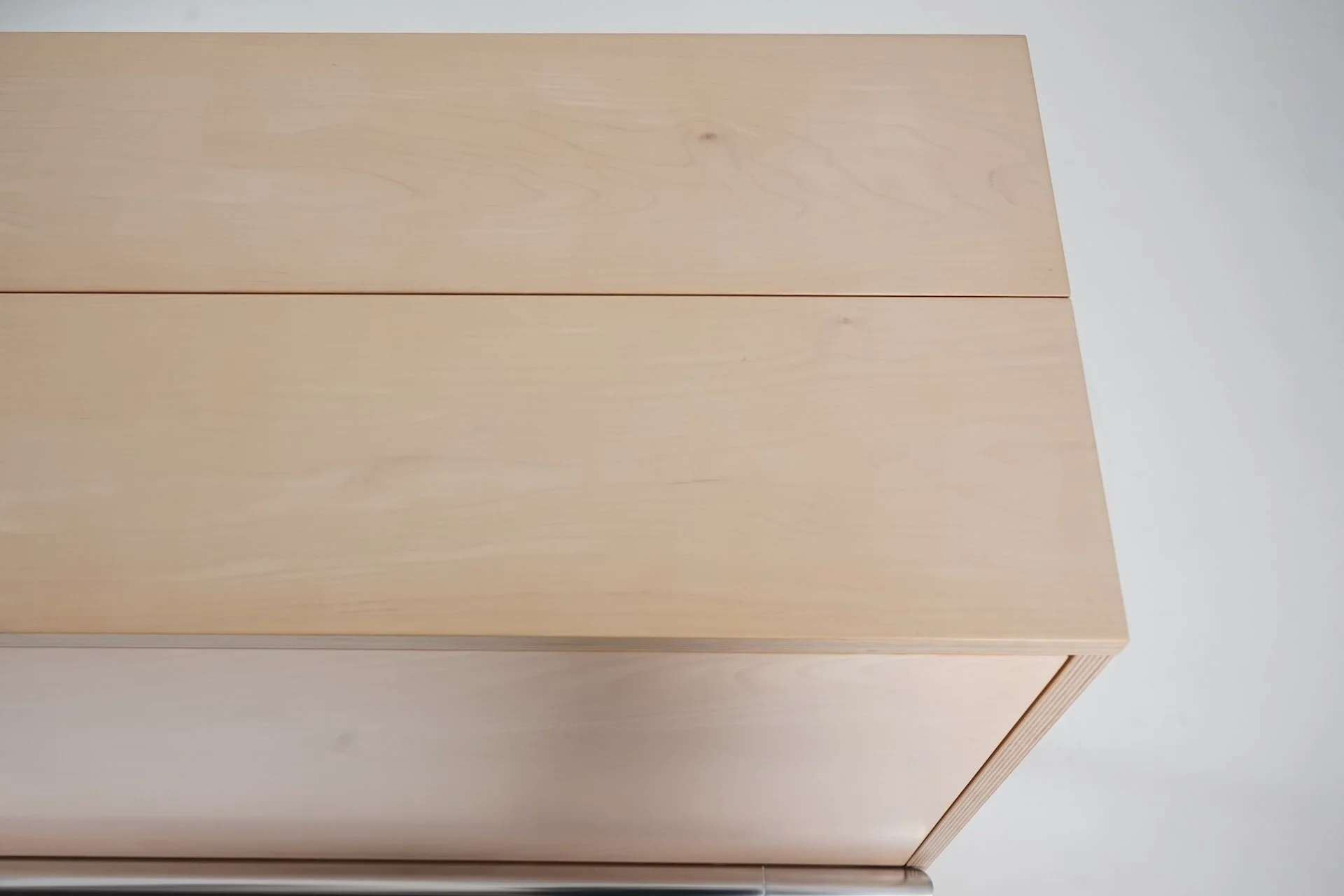 Image 26 of 27
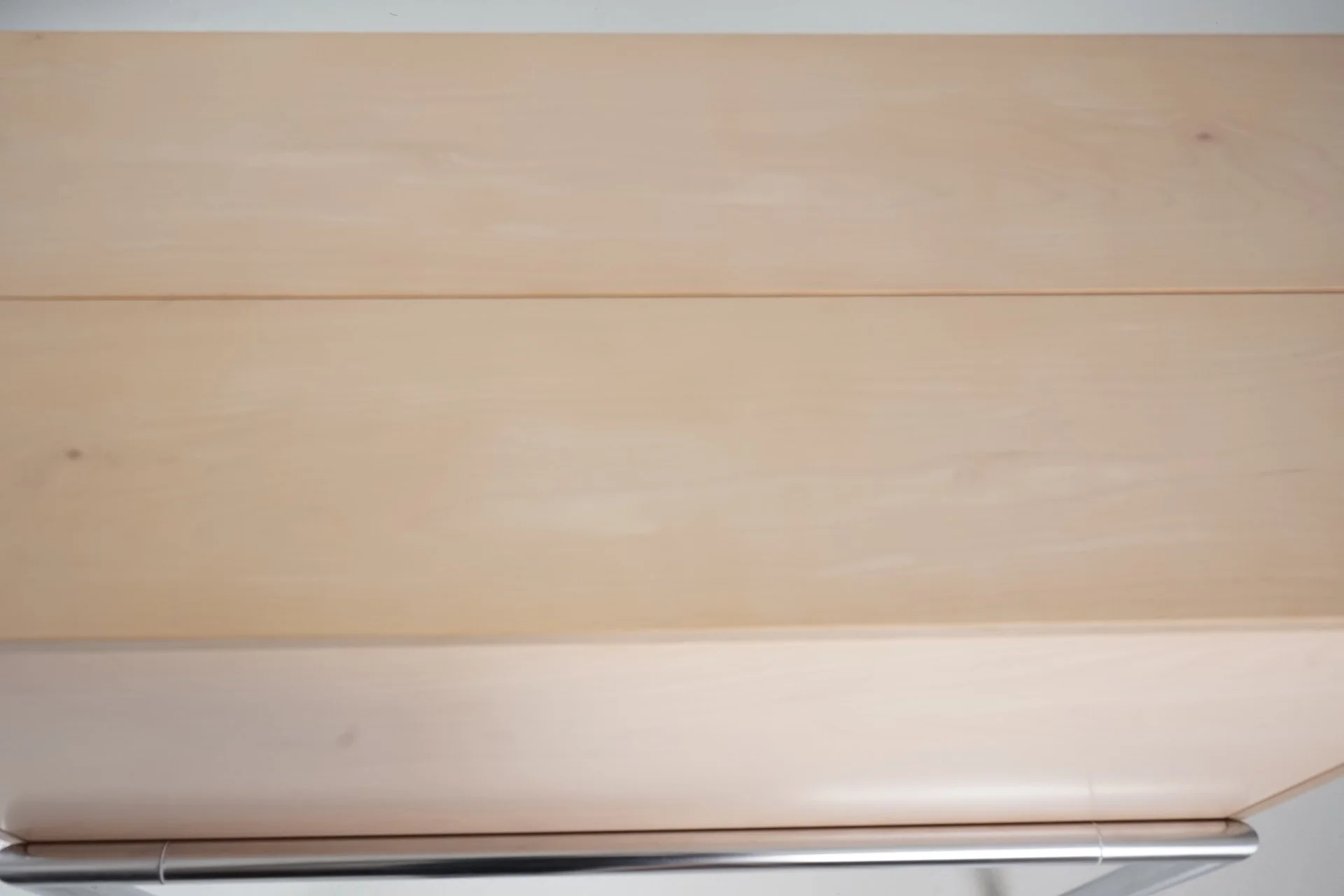 Image 27 of 27