Designer Marcel Breuer (1902–1981)
Manufacturer Knoll International
Design Period 1920s
Production Date 1990s
Materials Chrome-plated tubular steel, white/cream leather
Dimensions 78.5 × 65.5 × 73.5 cm | Seat height 42.5 cm
Condition Good original condition
Literature Reference Gilbert Frey, The Modern Chair 1850 to Today, Arthur Niggli AG, pp. 48–49
Selected items – We change the way you think about forever.
Designed by Marcel Breuer in 1925, the B3, now known as the Wassily Chair, is one of the defining furniture designs of early modernism. During his time at the Bauhaus, Breuer introduced bent tubular steel, a material previously used primarily in industrial applications, into furniture design. The traditional, solid club chair was transformed into an open structure of lines and suspended surfaces: lightweight, transparent, and radically innovative for its time.
Breuer reduced the armchair to its structural essentials. The chrome-plated tubular steel frame forms a clearly defined spatial structure, with leather panels stretched between its elements to create the seat, backrest, and armrests. There is no solid furniture body; construction and design are directly visible. This openness helps explain why the Wassily Chair retains a remarkably contemporary presence despite having been designed almost a century ago.
The original model designation was B3. The later name "Wassily Chair" refers to Wassily Kandinsky, Breuer's colleague at the Bauhaus, to whom Breuer showed the design early on and who expressed an interest in the chair.
Following various early production phases, the rights to Breuer's furniture designs were acquired by Gavina in Italy. When Knoll acquired the Italian company in 1968, these rights passed to Knoll, which continues to manufacture the Wassily Chair according to Breuer's original specifications.
The example offered here was manufactured by Knoll and bears the "KnollStudio" marking and Marcel Breuer's signature on the frame. Based on these markings, the chair can be dated to the 1990s. Knoll specifically uses this marking to identify and authenticate its Wassily Chairs. The combination of chrome-plated tubular steel and white leather particularly emphasizes the design's graphic qualities: the light-colored panels appear to float almost freely within the open chrome structure.
For a design that has been interpreted and copied extensively over the decades, original manufacturer attribution carries particular significance. The KnollStudio marking directly connects this example to the company that has continued Breuer's authorized production since its acquisition of Gavina. For collectors, it therefore provides a clearly traceable manufacturer attribution. In an interior setting, the Wassily Chair remains a piece of furniture whose structural lightness and formal clarity continue to feel exceptionally natural and relevant today.
Condition Report
The armchair is in generally good original condition, with signs of wear consistent with its age and use. The chrome shows scratches in a few areas, which we have documented as clearly as possible in the photographs. Otherwise, the frame is free from rust and surface rust. We have carefully cleaned it and treated it with a specialized care product that protects the chrome and provides a natural shine.
The leather has been treated with a high-quality conditioning and preserving leather care product. This keeps the material supple, protects the surface, and supports the long-term preservation of the leather.
The leather upholstery remains firm and taut, with no signs of fatigue. The seat retains its shape and remains tightly stretched.
Overall, the Wassily Chair displays an authentic patina and the traces of its history. An armchair that will bring its new owner enjoyment for many years to come.
Request more information

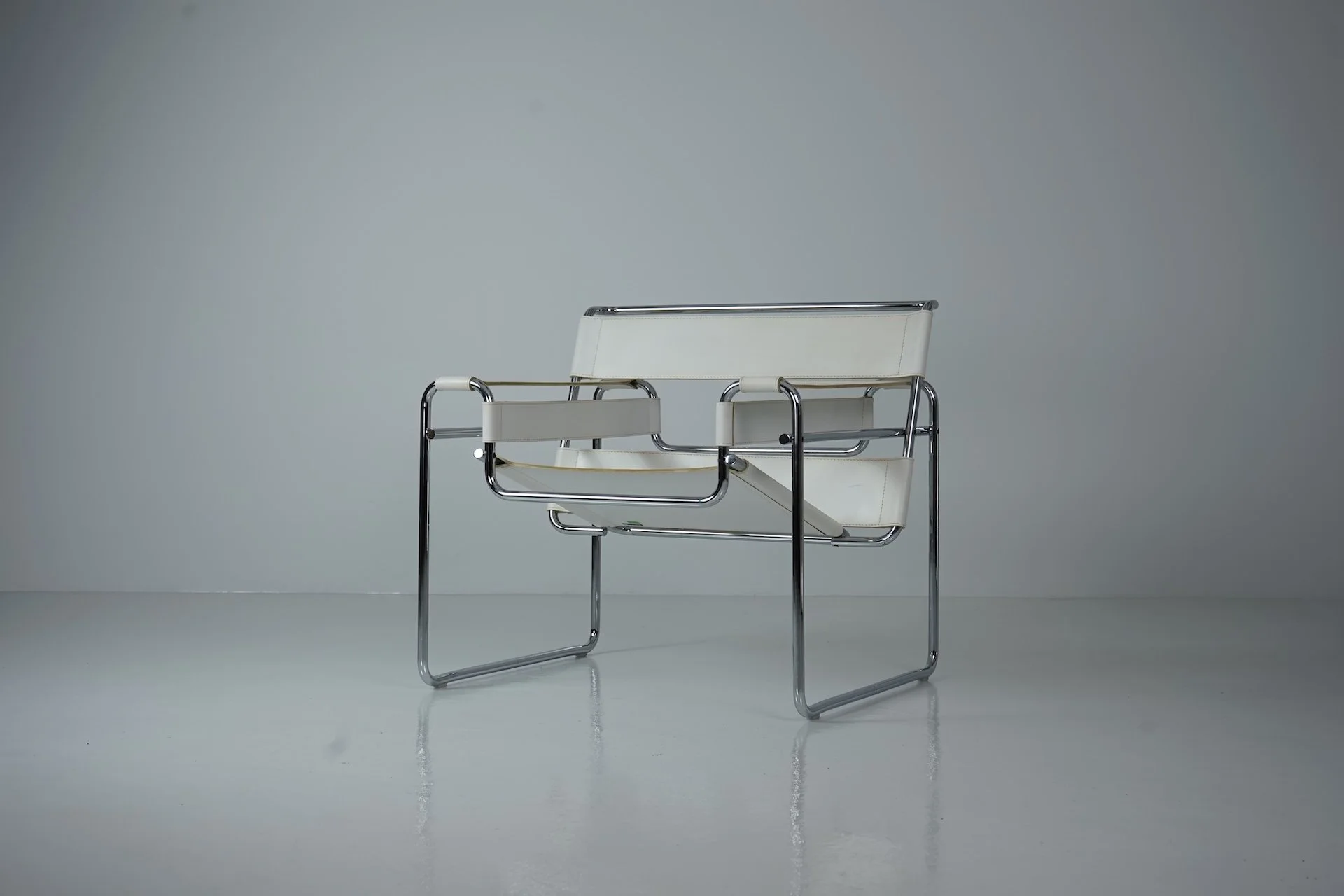 Image 1 of 19
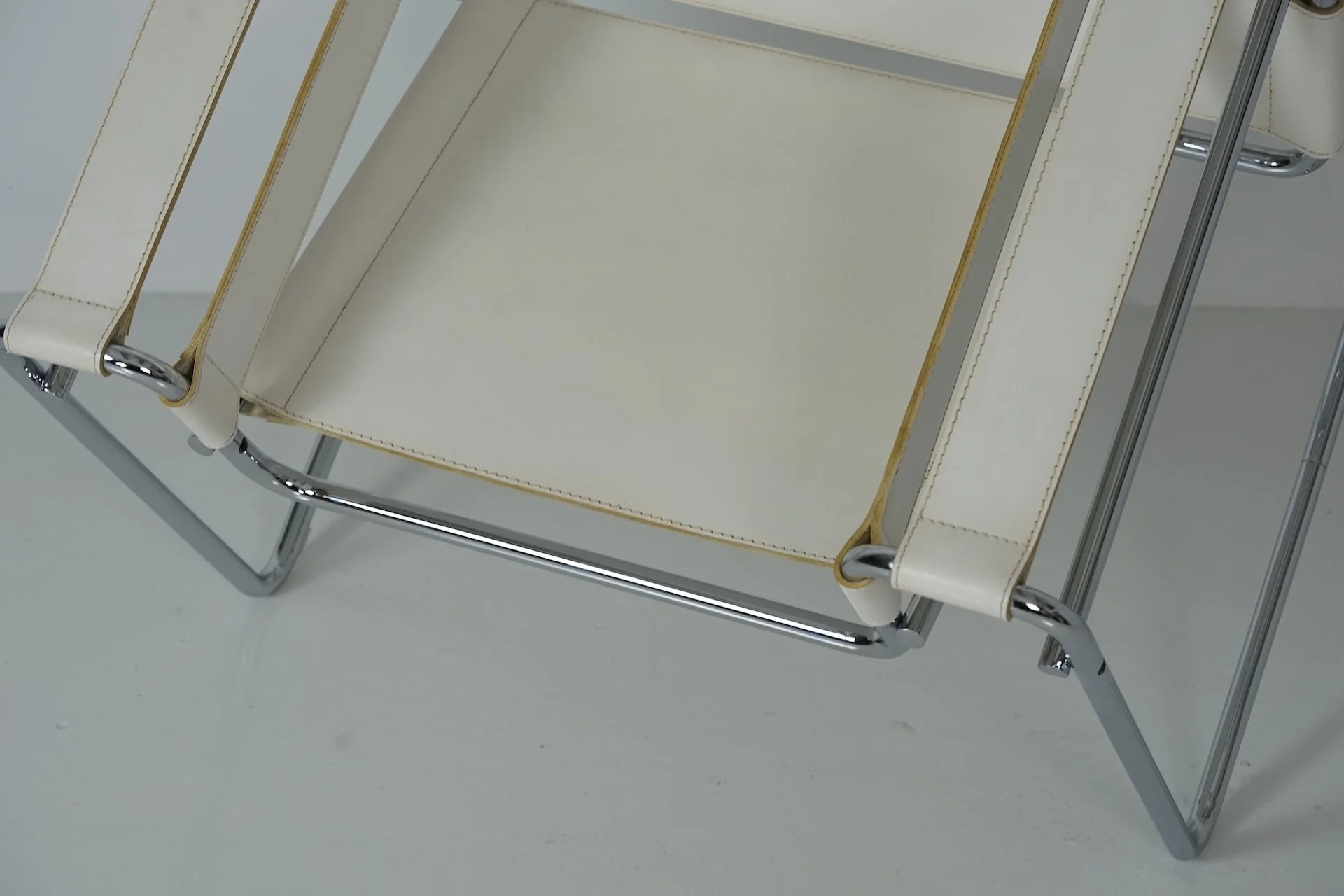 Image 2 of 19
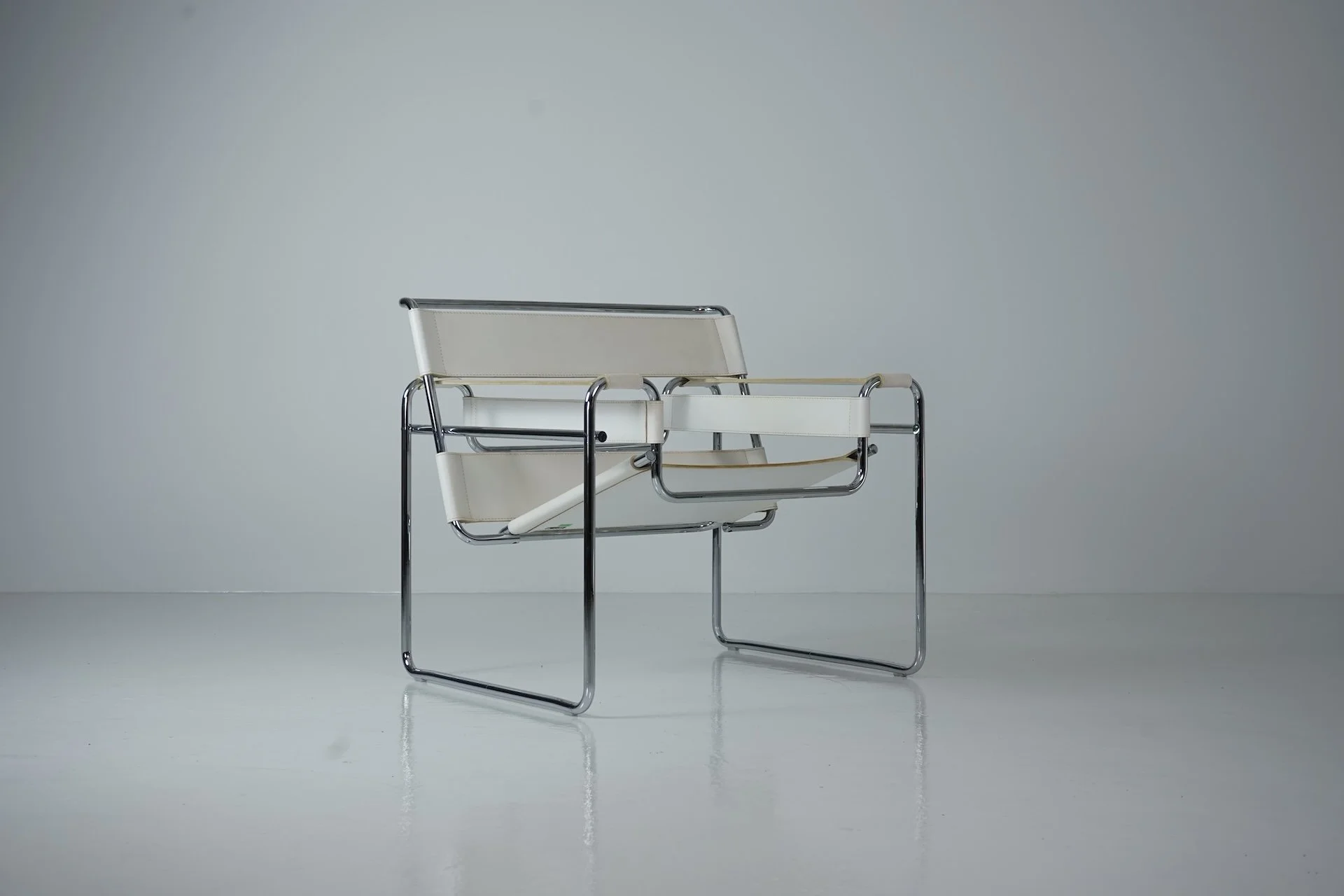 Image 3 of 19
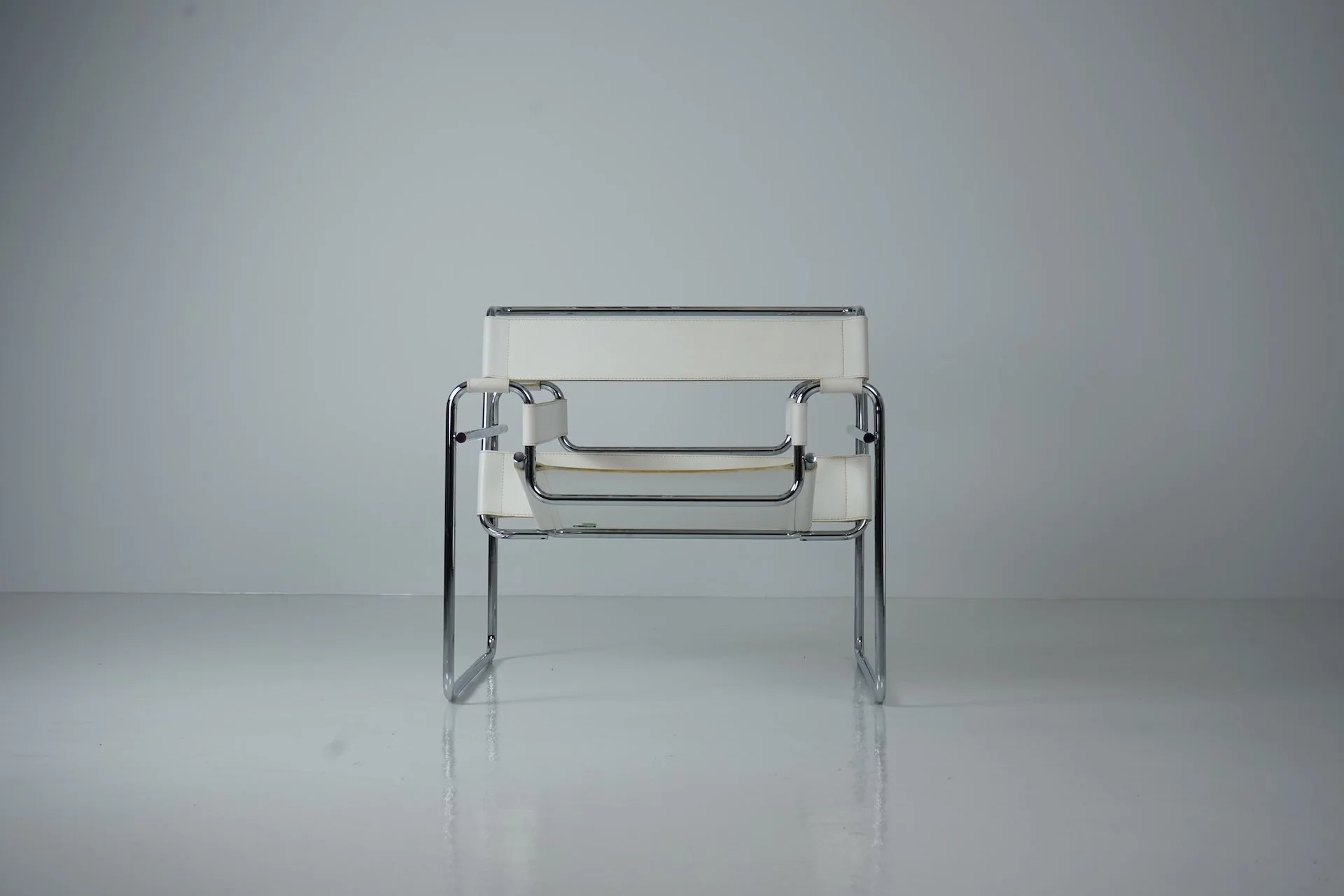 Image 4 of 19
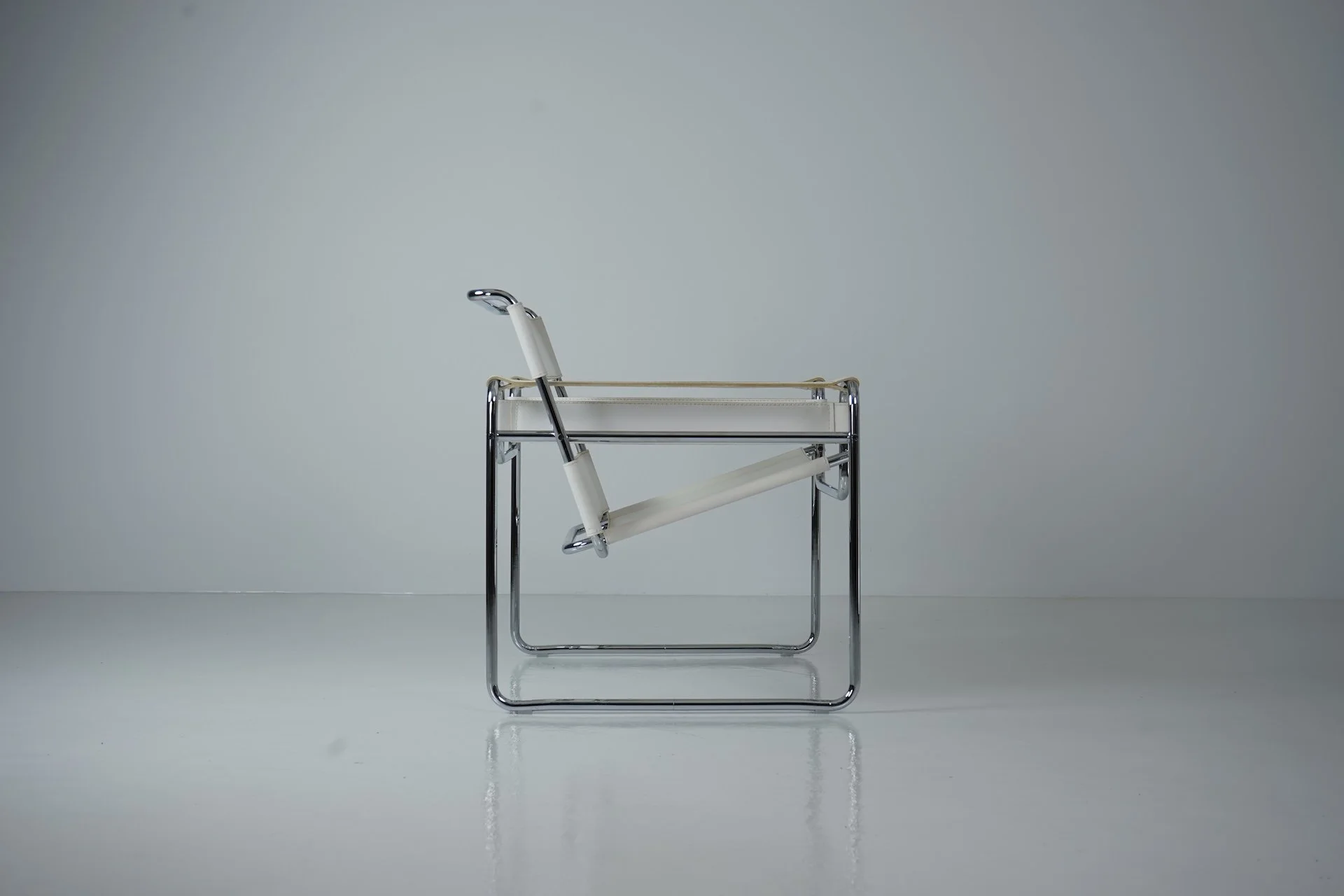 Image 5 of 19
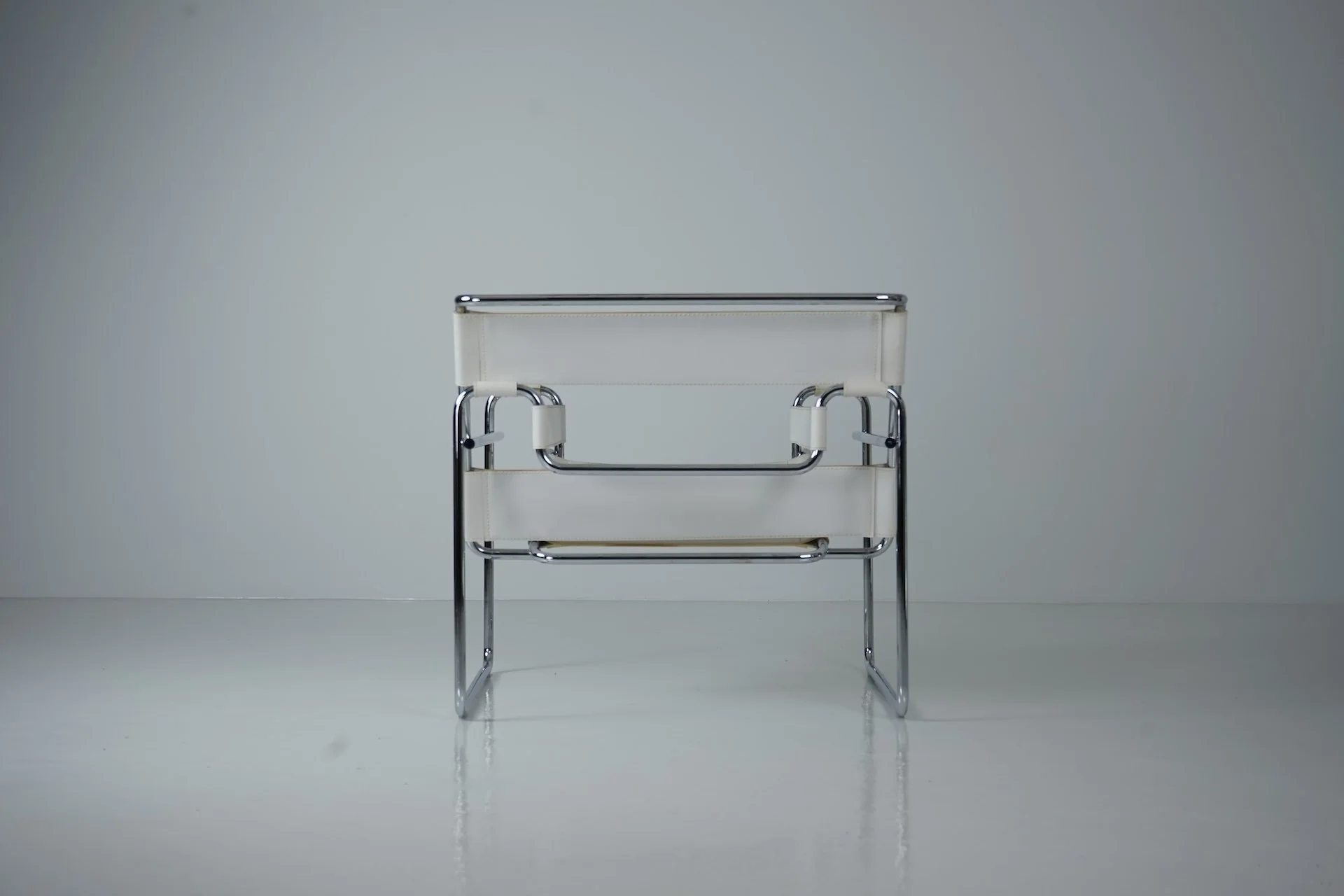 Image 6 of 19
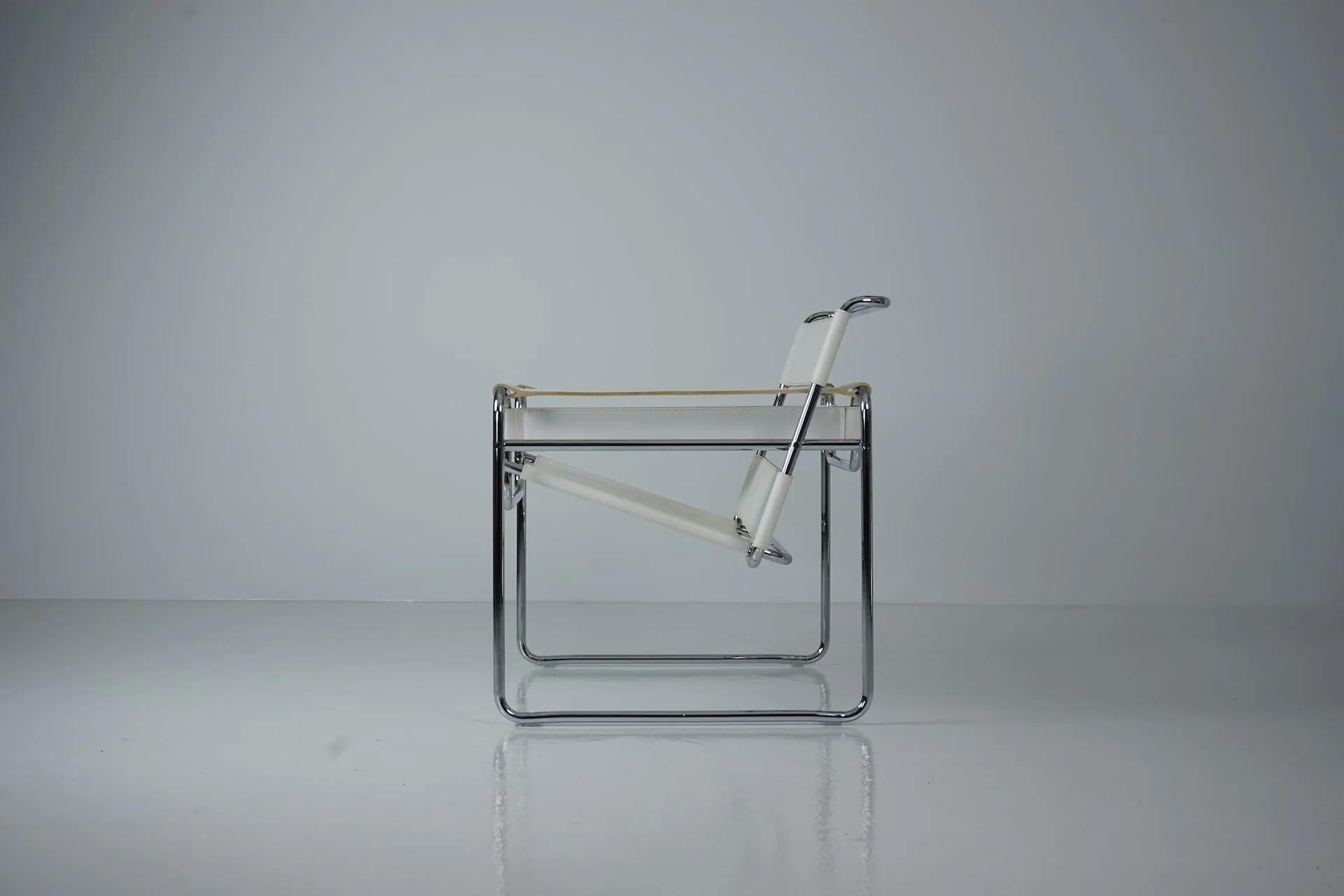 Image 7 of 19
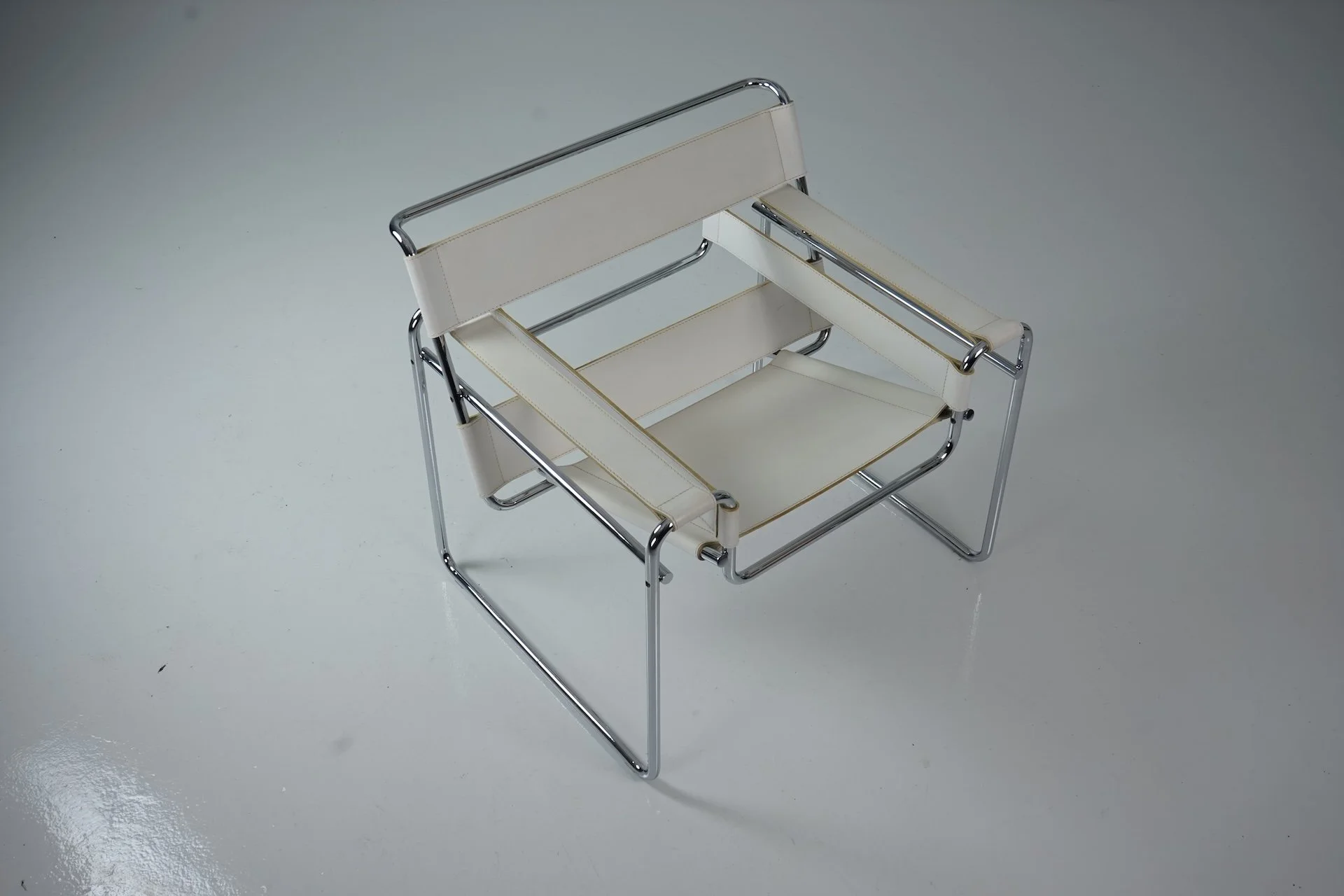 Image 8 of 19
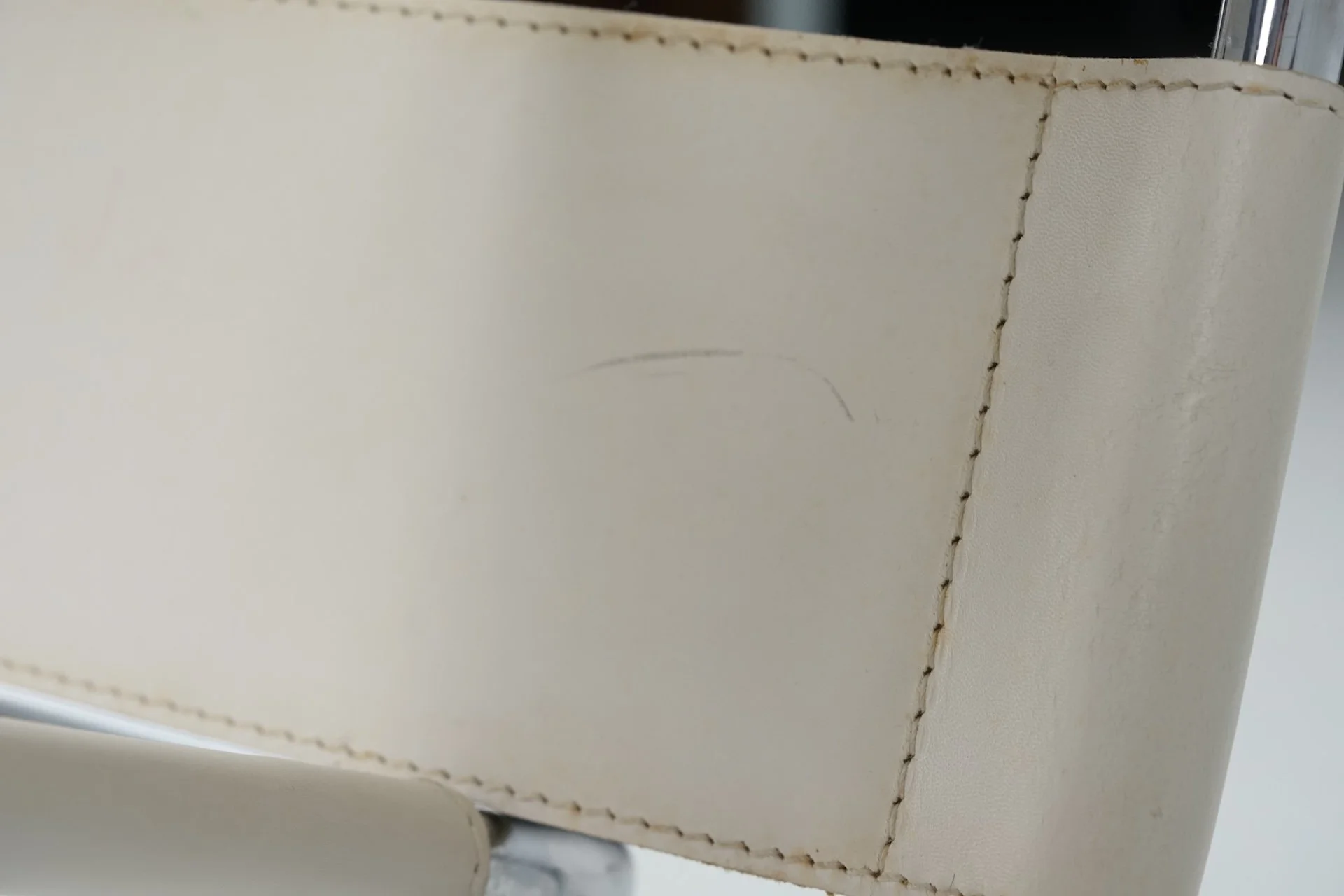 Image 9 of 19
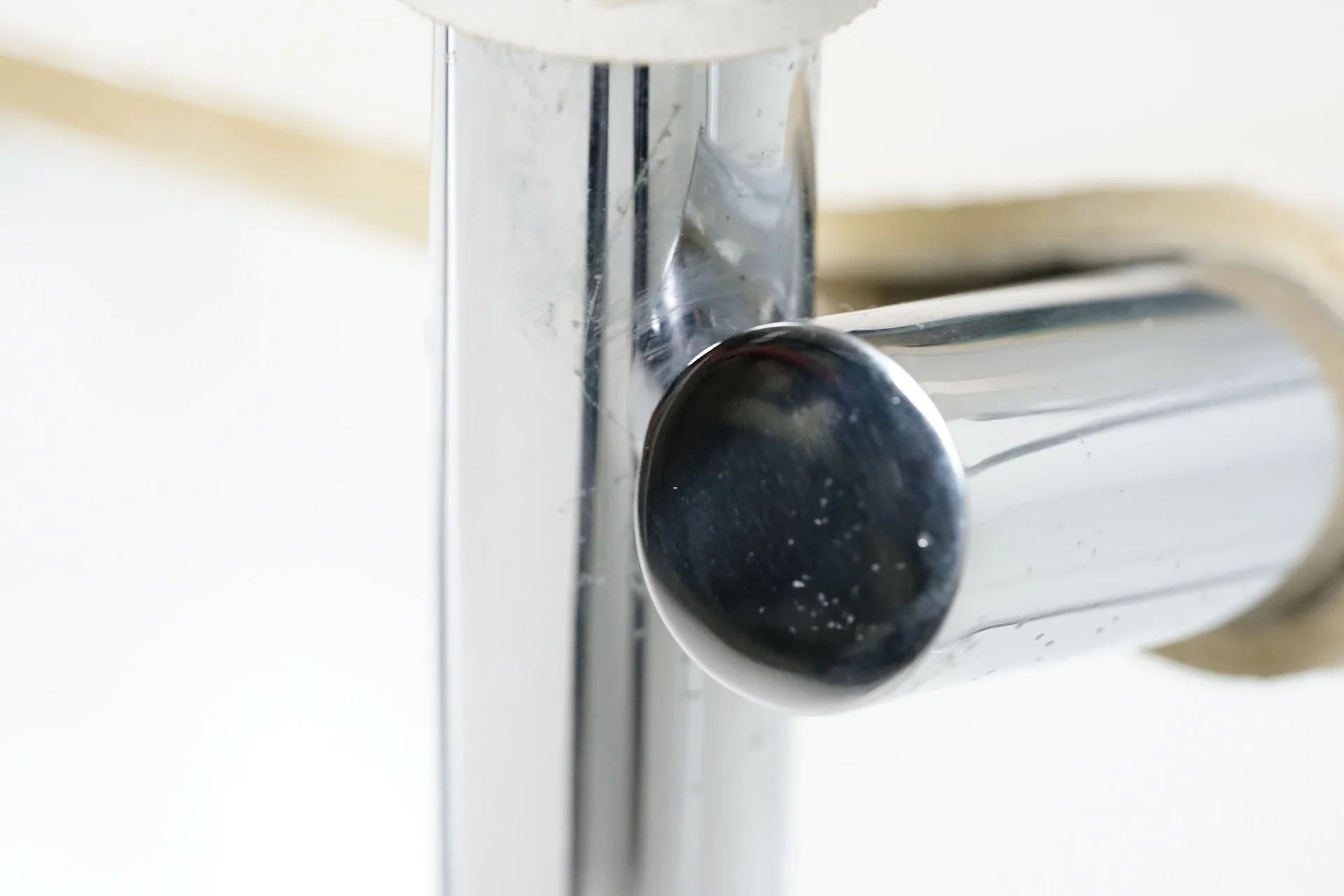 Image 10 of 19
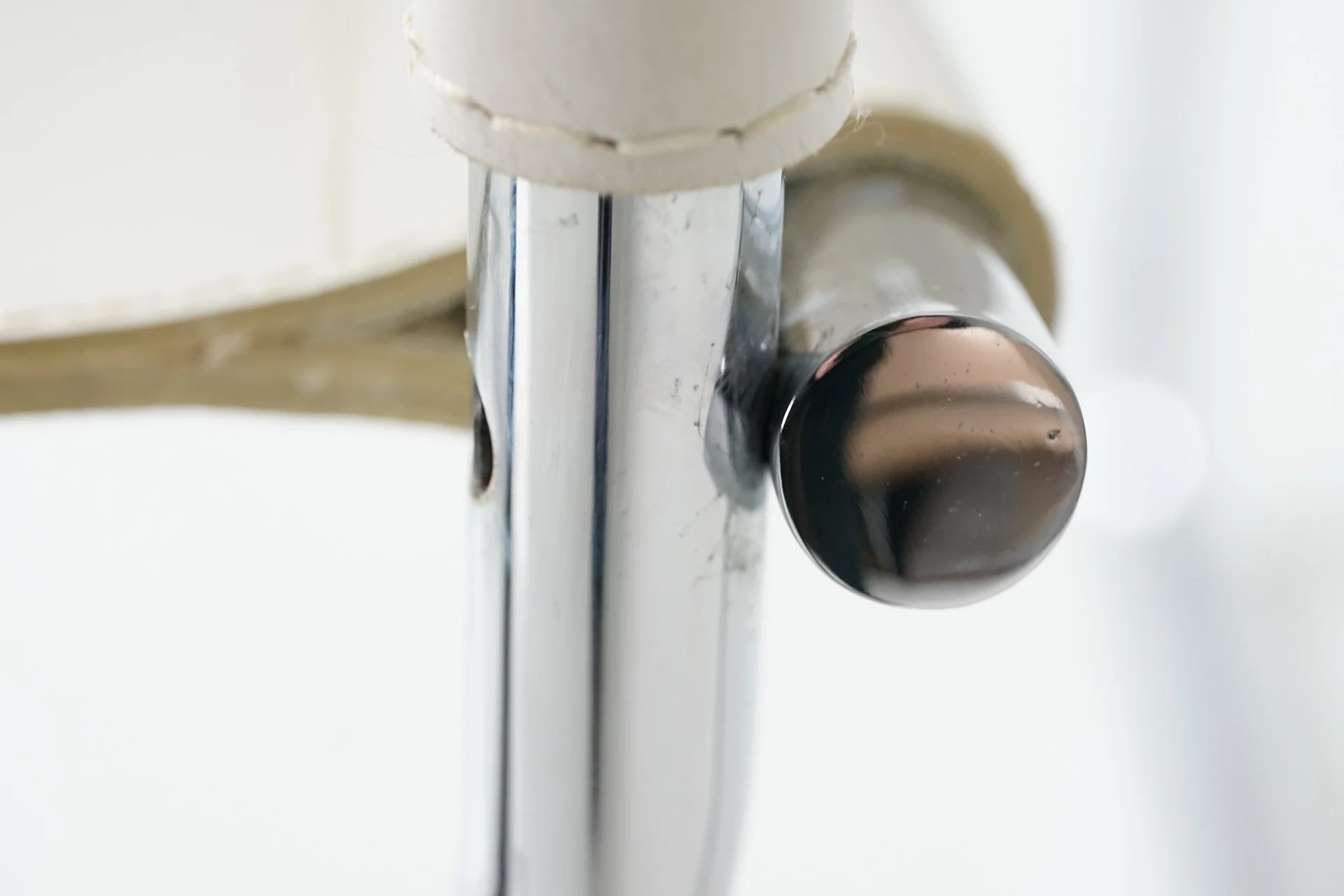 Image 11 of 19
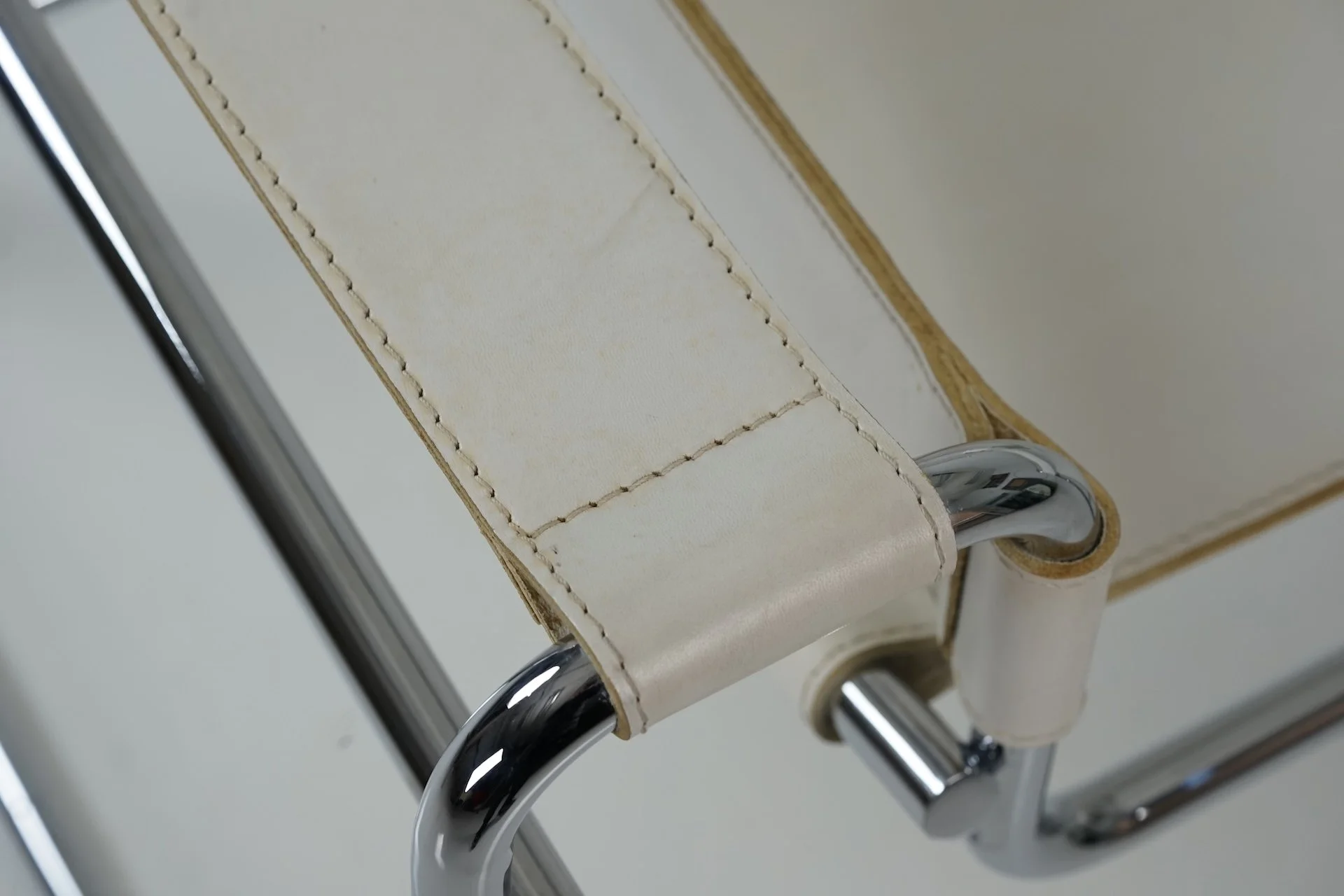 Image 12 of 19
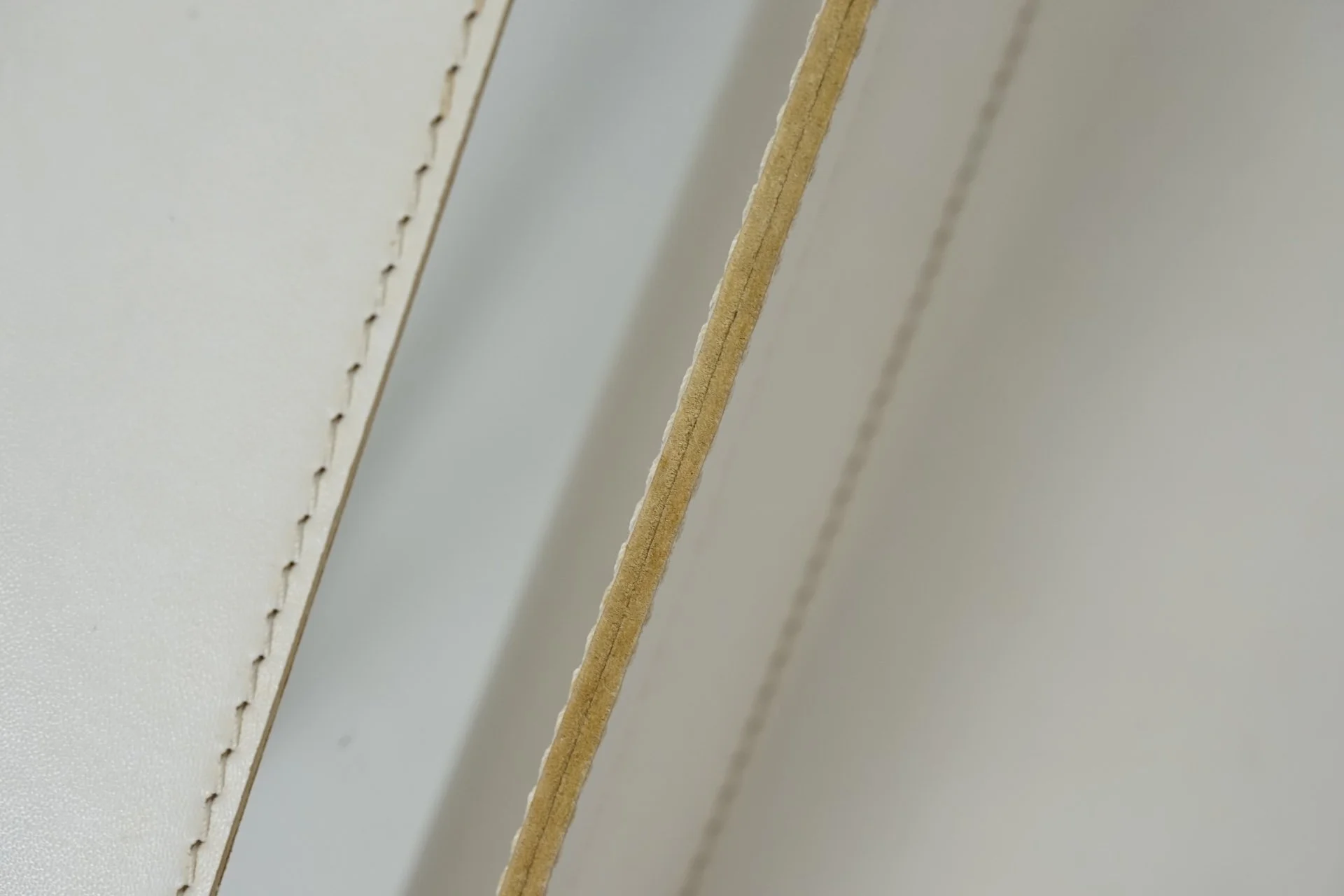 Image 13 of 19
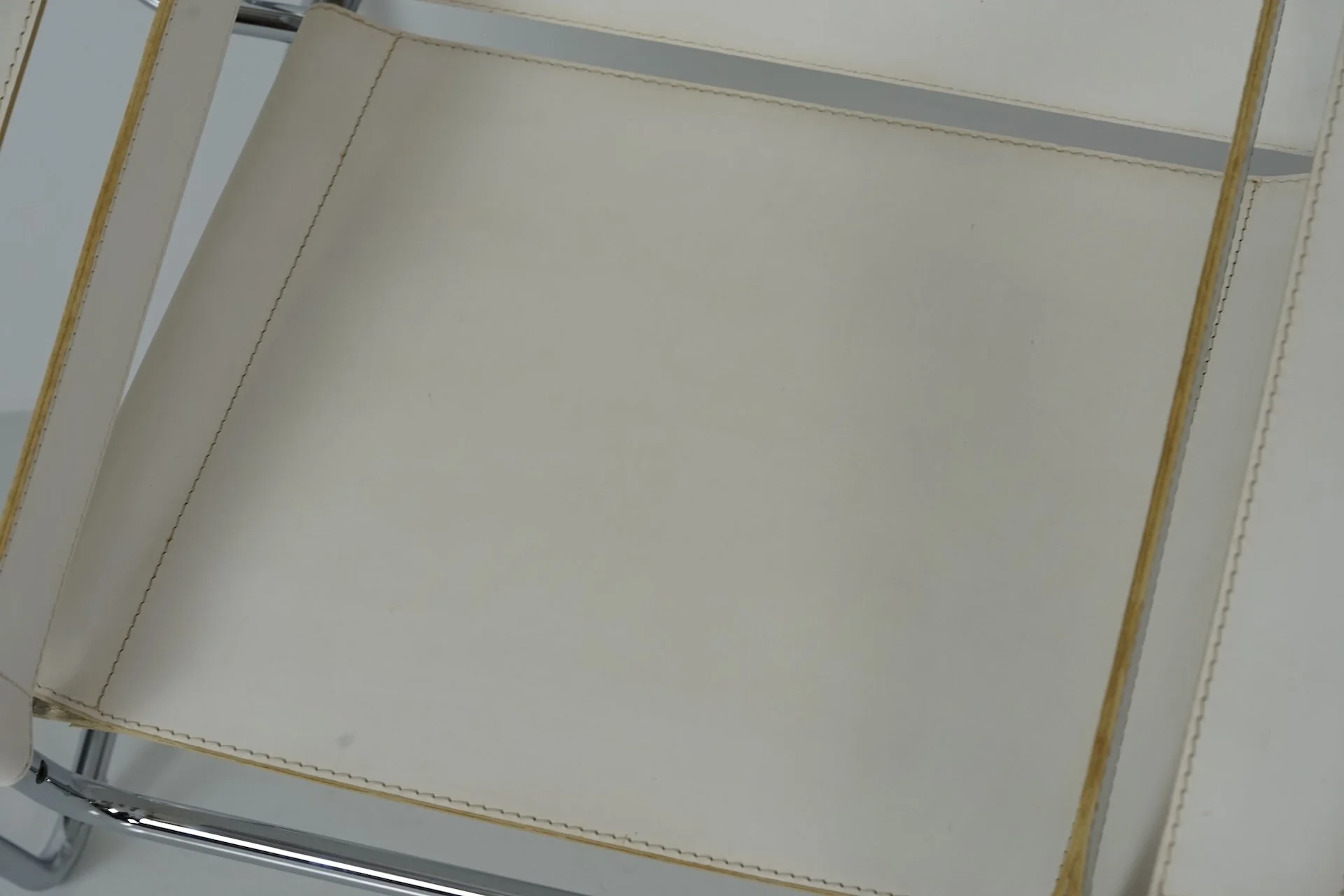 Image 14 of 19
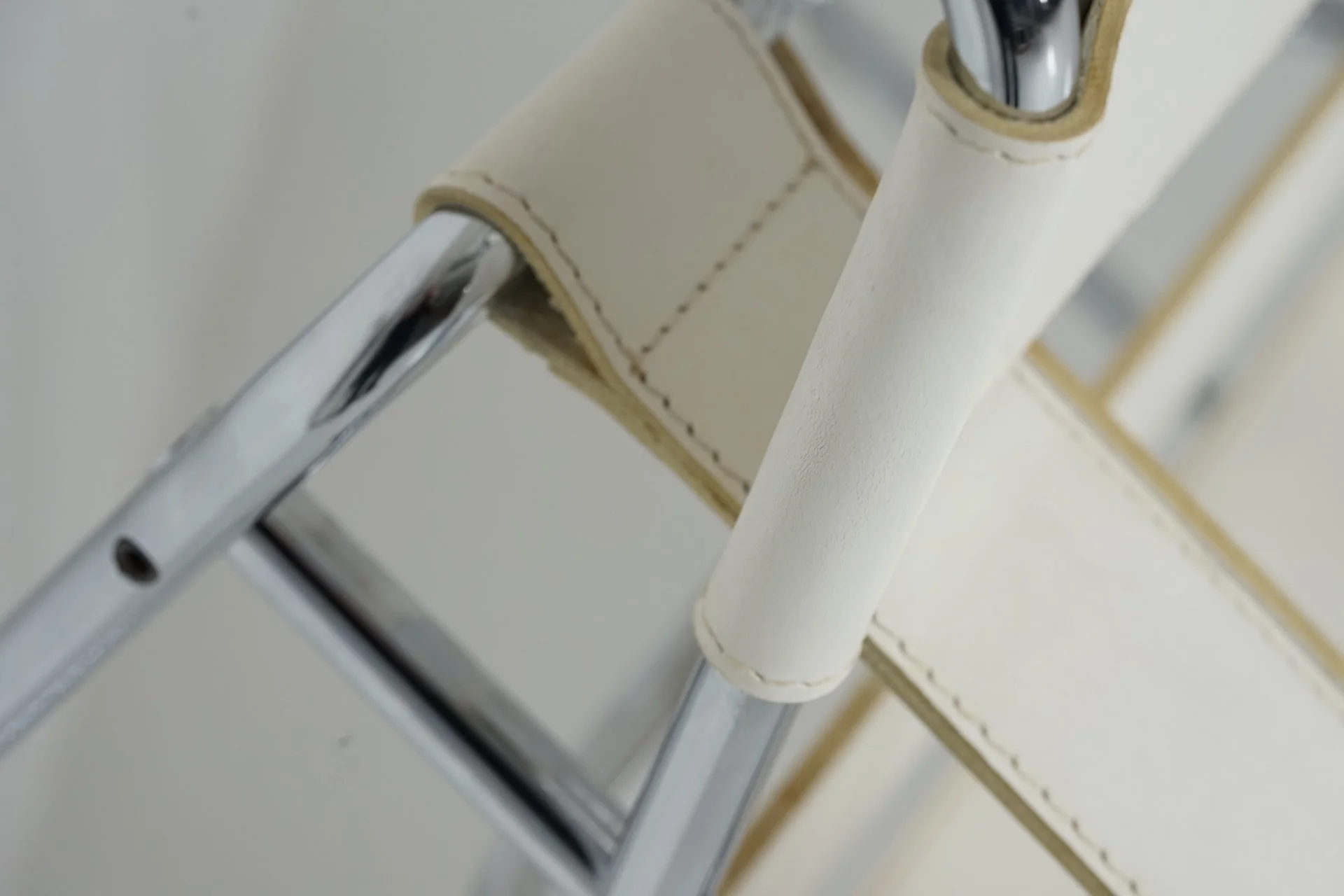 Image 15 of 19
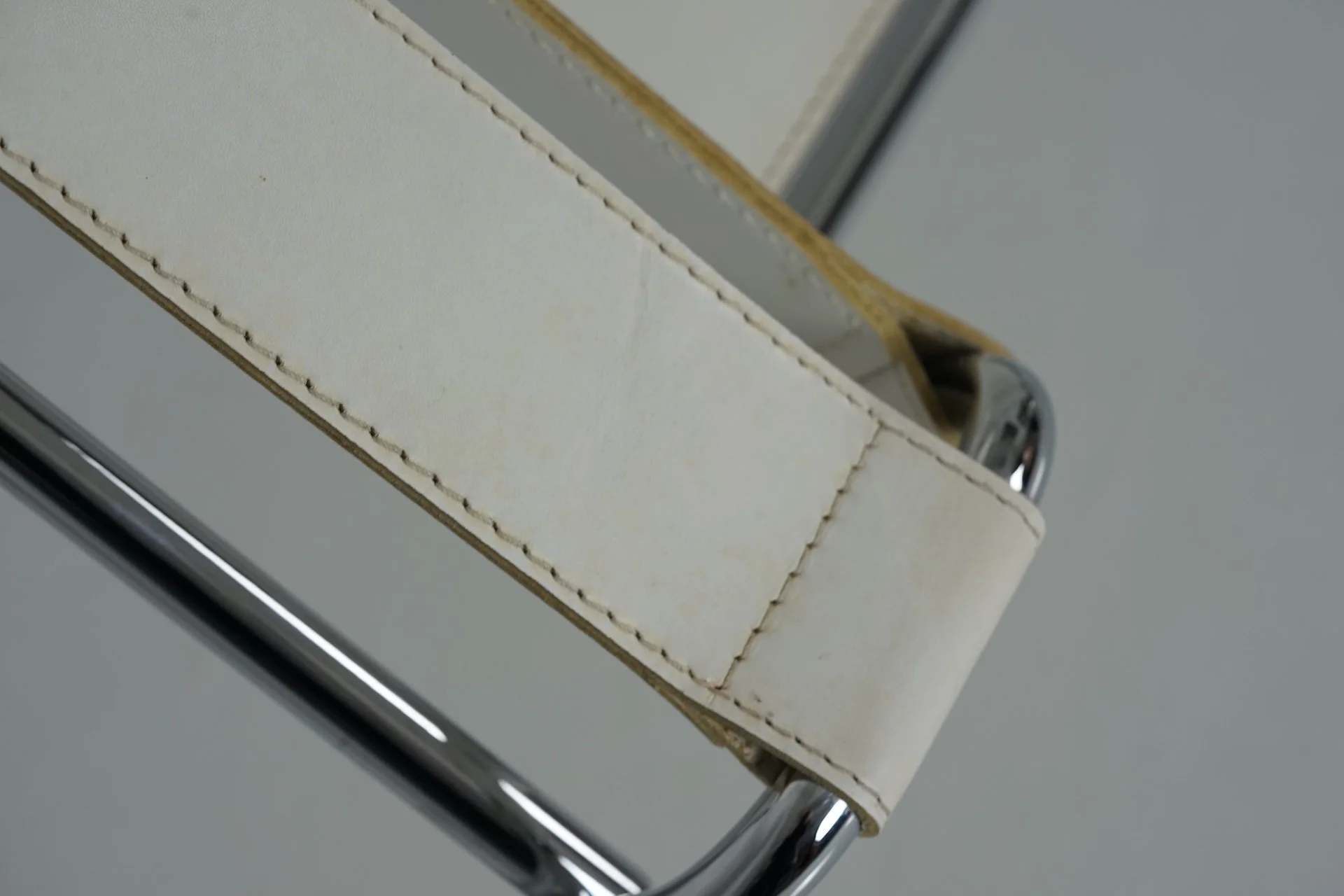 Image 16 of 19
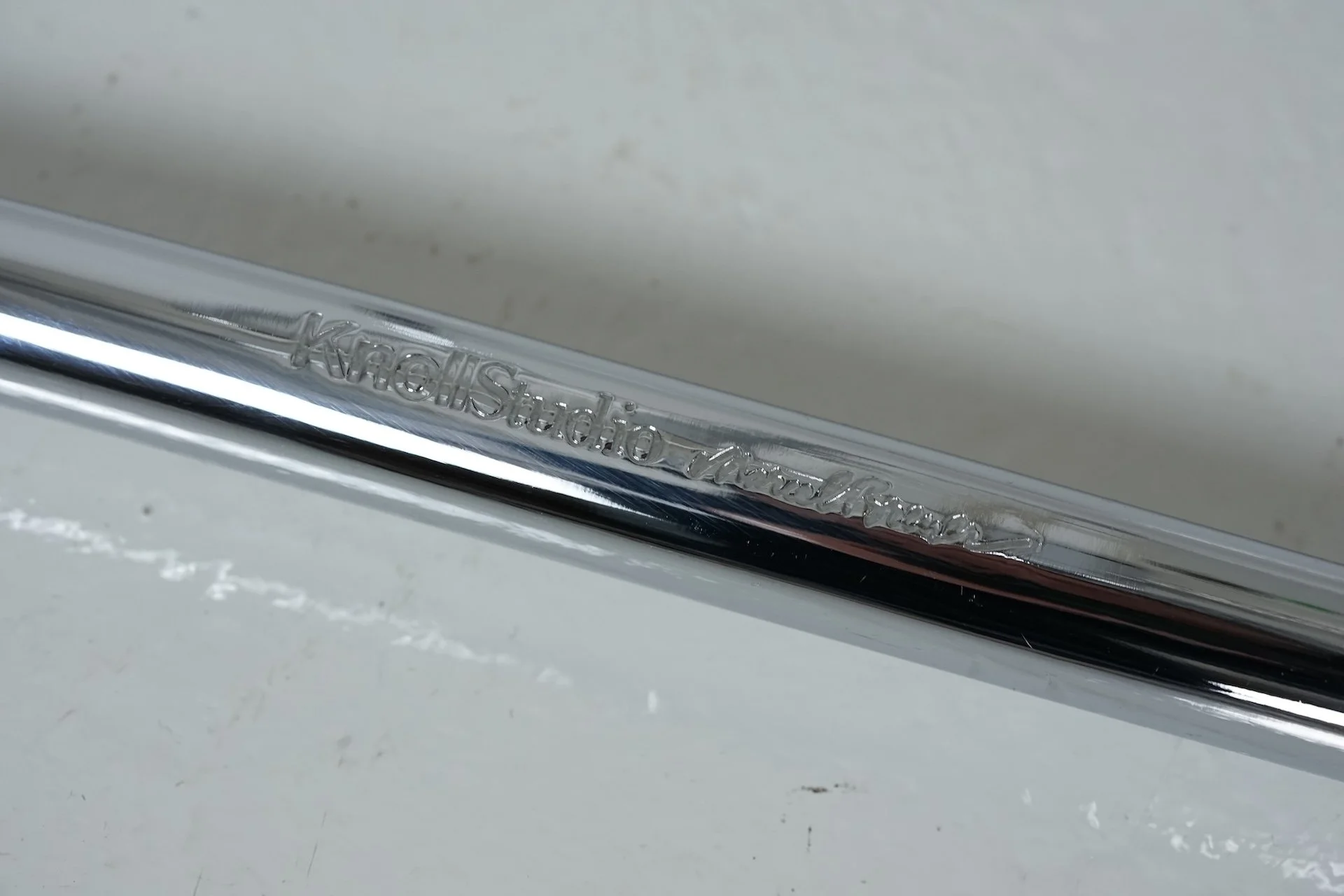 Image 17 of 19
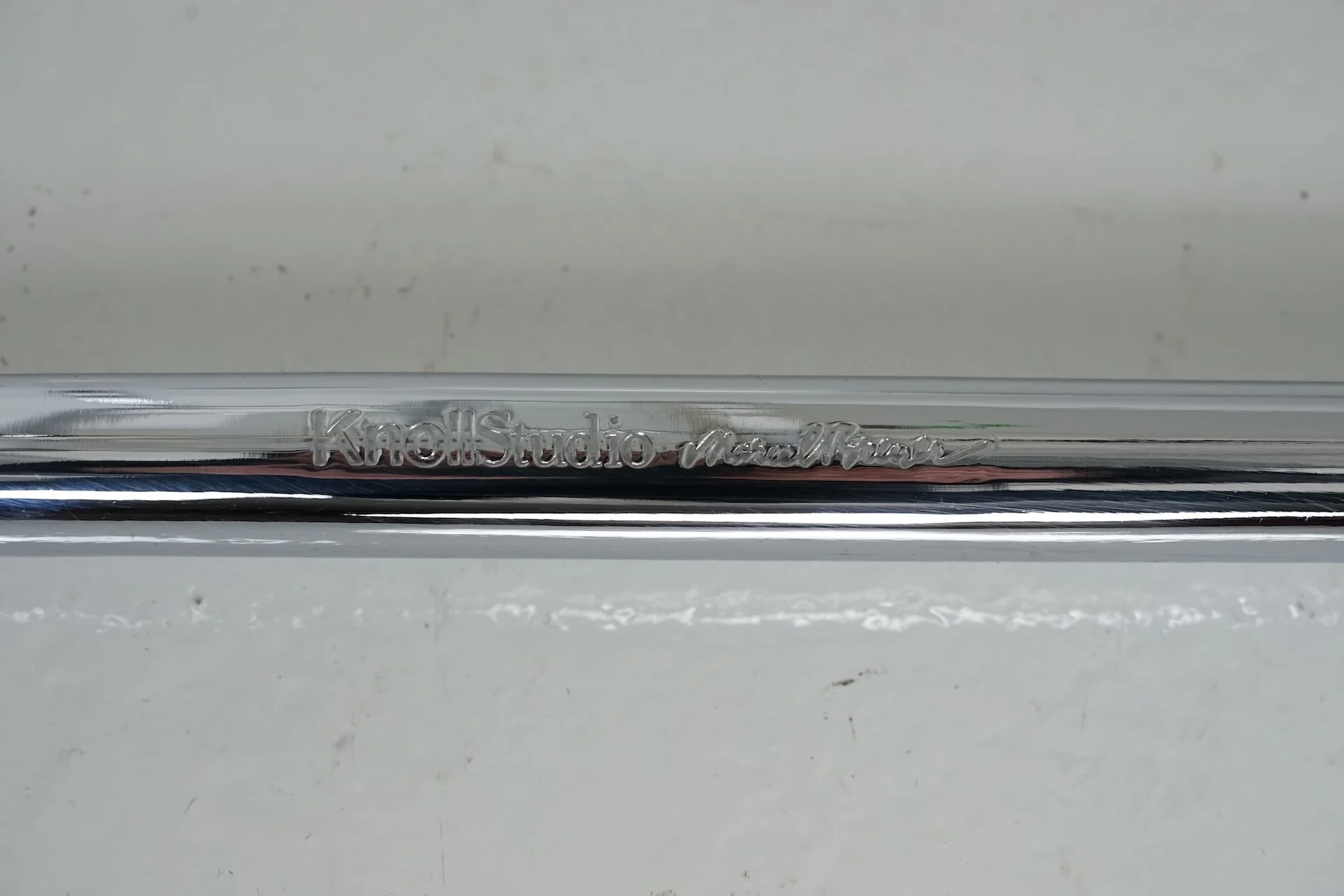 Image 18 of 19
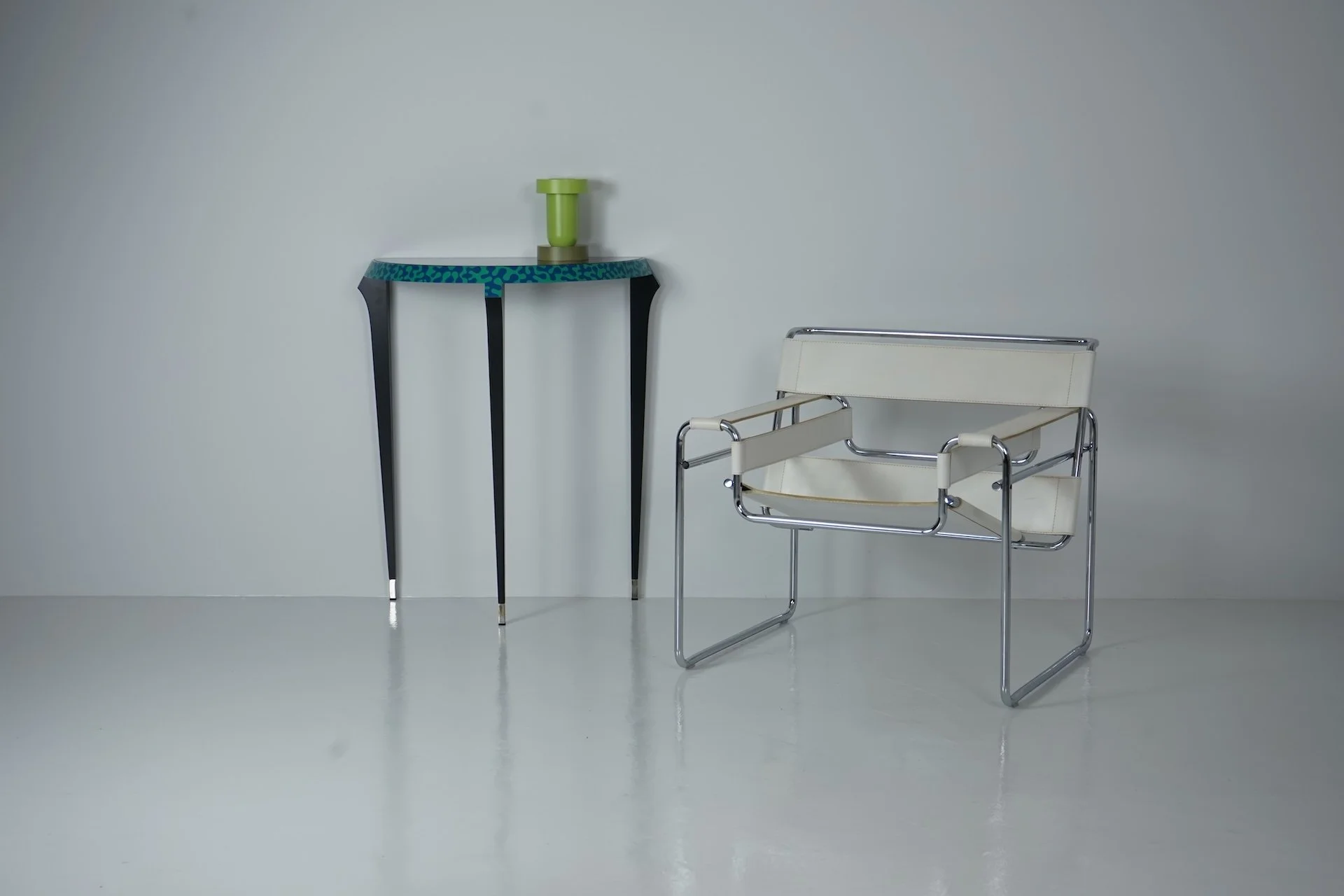 Image 19 of 19