Designer Alessandro Mendini (1931–2019)
Manufacturer Zanotta Edizioni, Italy
Era 1980s
Design Year 1984
Materials black lacquered wood, crystal glass, silver-plated brass
Size 78 × 39.5 × 90 cm
Bibliography
Kazuko Sato, Alchimia: Italienisches Design der Gegenwart / Contemporary Italian Design, Taco, Berlin, 1988, p. 128.
19ª Bienal de São Paulo – Catálogo Geral, 1987, p. 320.
Zanotta, Zanotta Edizioni, manufacturer's catalog, model 7400 Agrilo, design by Alessandro Mendini, 1984.
Selected items – We change the way you think about forever.
Alessandro Mendini designed the Agrilo console table in 1984 within the context of an experimental Italian design movement that deliberately dissolved the boundaries between furniture, art objects, and individually handcrafted pieces. Originally part of the Zabro Collection, Agrilo offers a direct connection to the ideas of Alchimia and, with them, one of the defining movements of Italian postmodernism.
At first glance, the construction appears almost austere: a slender black body, a black lacquered glass top, and narrow legs. Only upon closer inspection does it become apparent how deliberately Mendini subverts this order. The curved edge is hand-decorated in blue and green, while the feet are made of silver-plated brass. A functional wall console thus becomes an object in which drawing, color, and material are just as important as function itself.
This is precisely what distinguishes Zanotta Edizioni from the manufacturer's regular production lines. The collection emerged from the experiments of Zabro and brings together signed designs that deliberately occupy the space between furniture and art. Handcrafted finishes, special materials, and individually executed details are not merely decorative additions but essential elements of the design and its artistic expression.
Agrilo is a particularly focused example of Mendini's approach. The form remains functional and recognizable, yet a few precisely considered interventions challenge its conventional character. The result is a piece of furniture that can be used while also being appreciated as an independent sculptural object within a space.
For collectors, Agrilo combines Mendini's postmodern design language with the experimental history of Zabro and Zanotta Edizioni. In an interior setting, the console works for the same reason: it is restrained enough to integrate naturally into a room, yet possesses the distinctive handcrafted and design details that clearly set it apart from an ordinary production console.
Condition Report
The console table is in overall good condition, consistent with its age and use.
The black lacquered glass top shows very minor areas of lacquer loss. One corner at the back has a very small chip. The surface also shows scratches that vary in visibility depending on the lighting.
The wooden frame shows light signs of use, as documented in the photographs. The silver-plated brass elements on the three feet display an age-related patina.
All components of the console table remain in their original condition, and the piece has not been restored. Overall, it retains an authentic patina consistent with its age.
Request more information

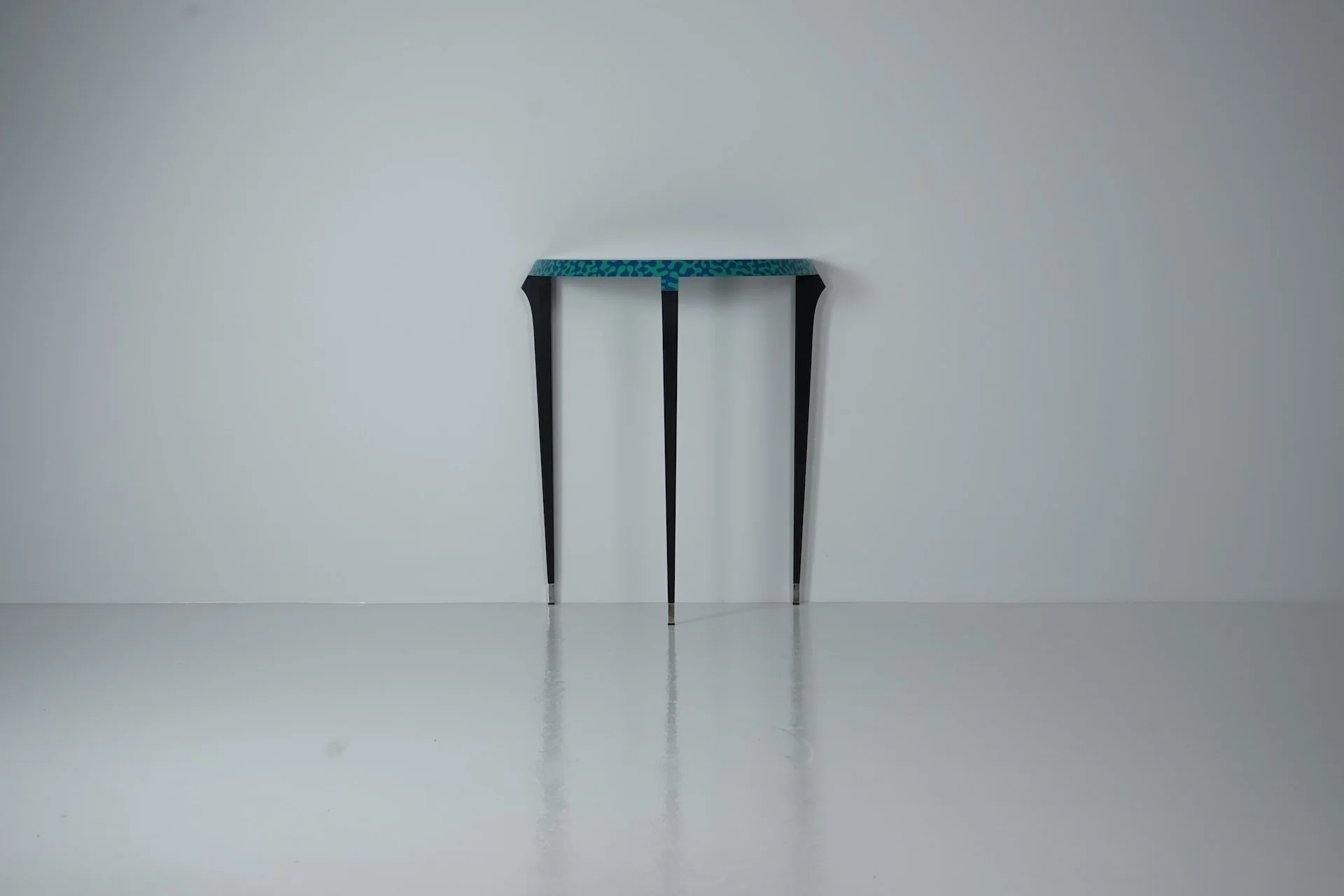 Image 1 of 20
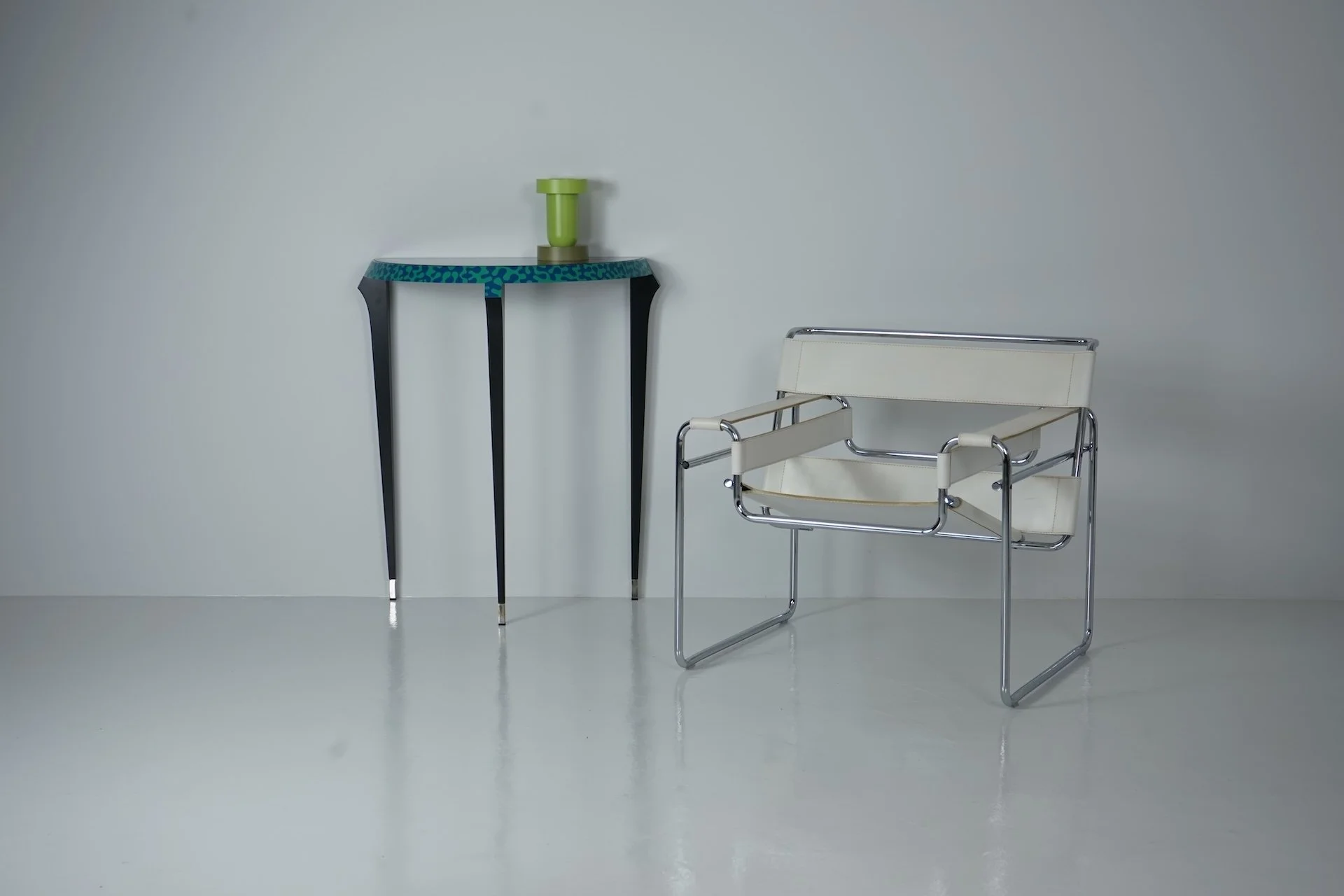 Image 2 of 20
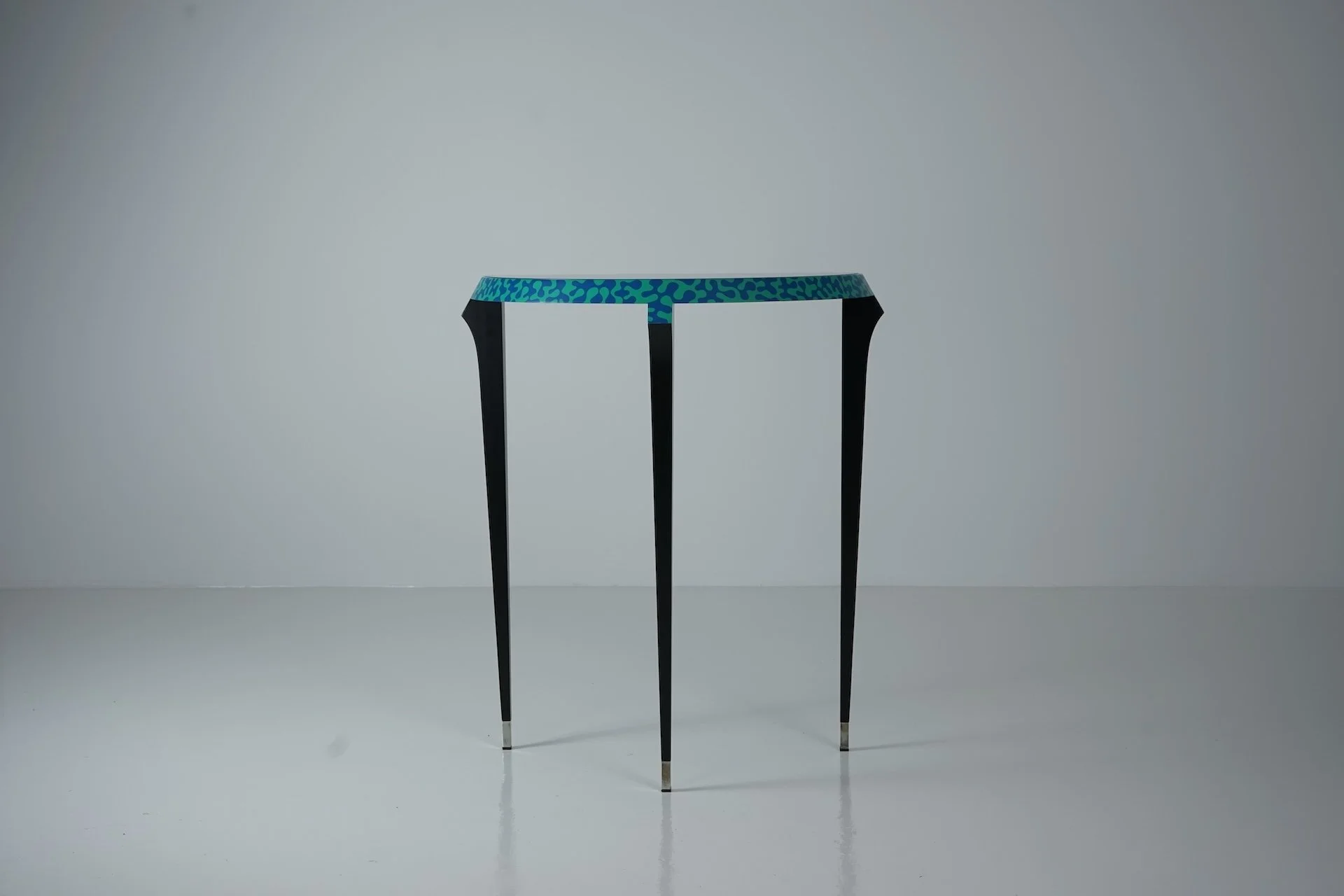 Image 3 of 20
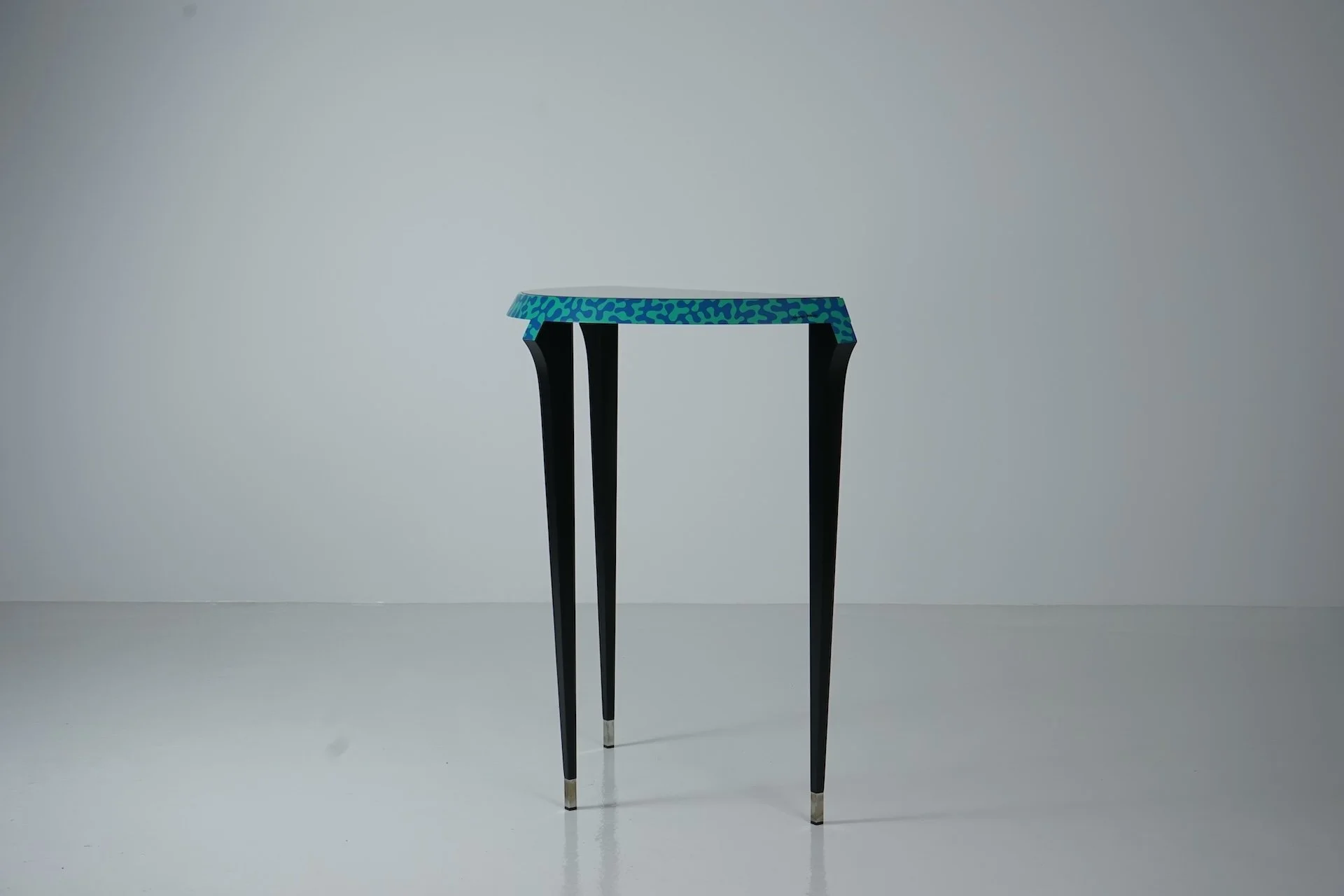 Image 4 of 20
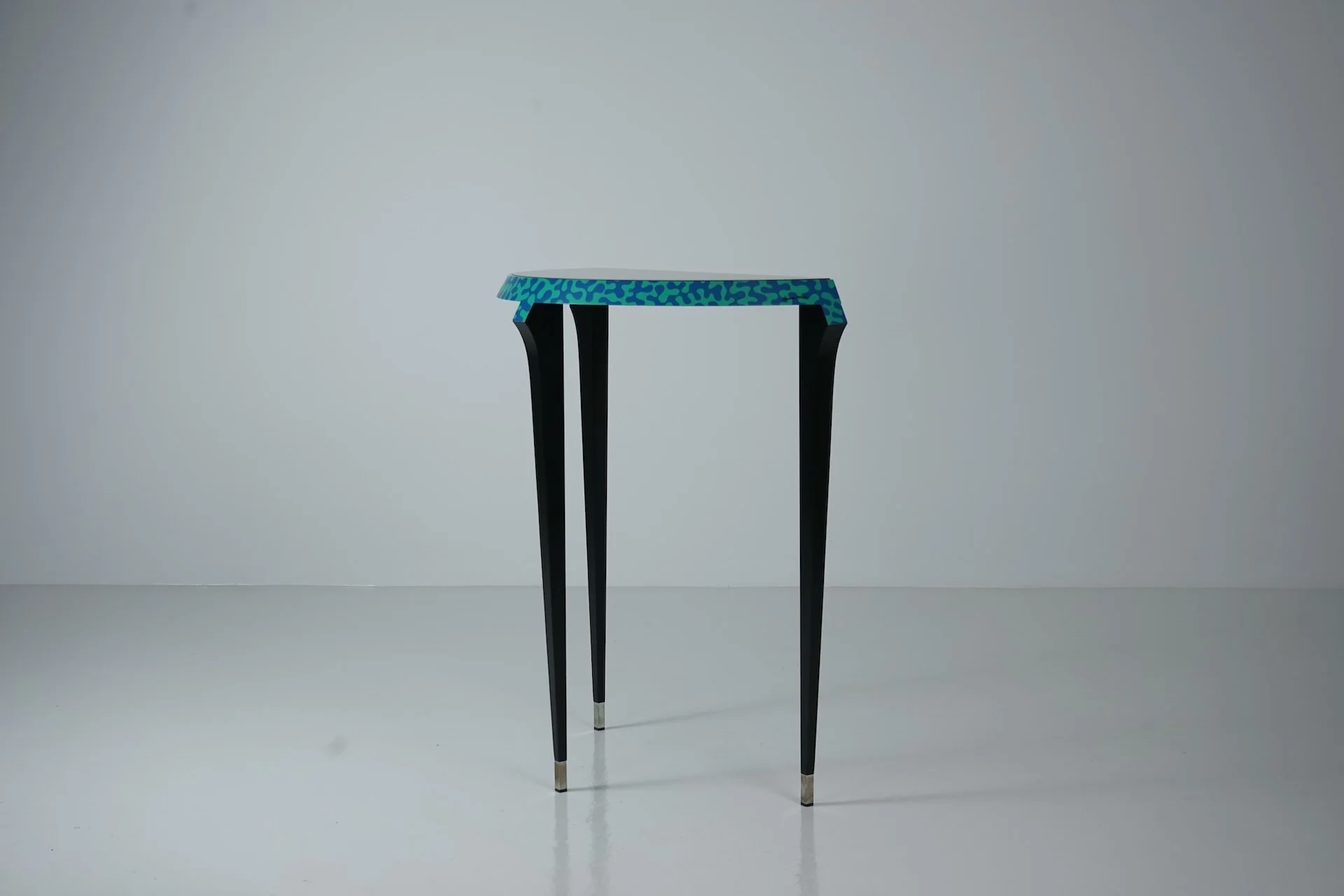 Image 5 of 20
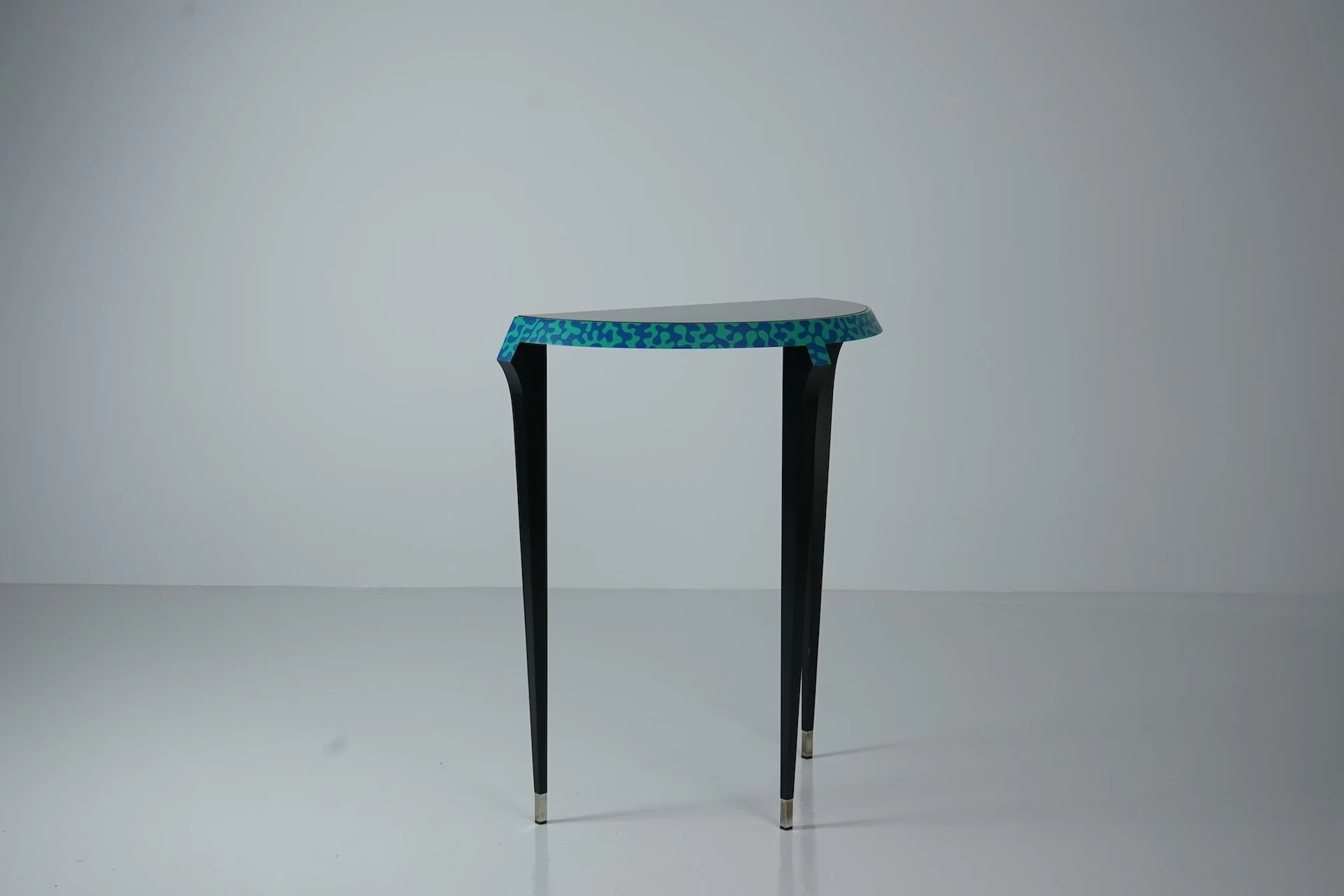 Image 6 of 20
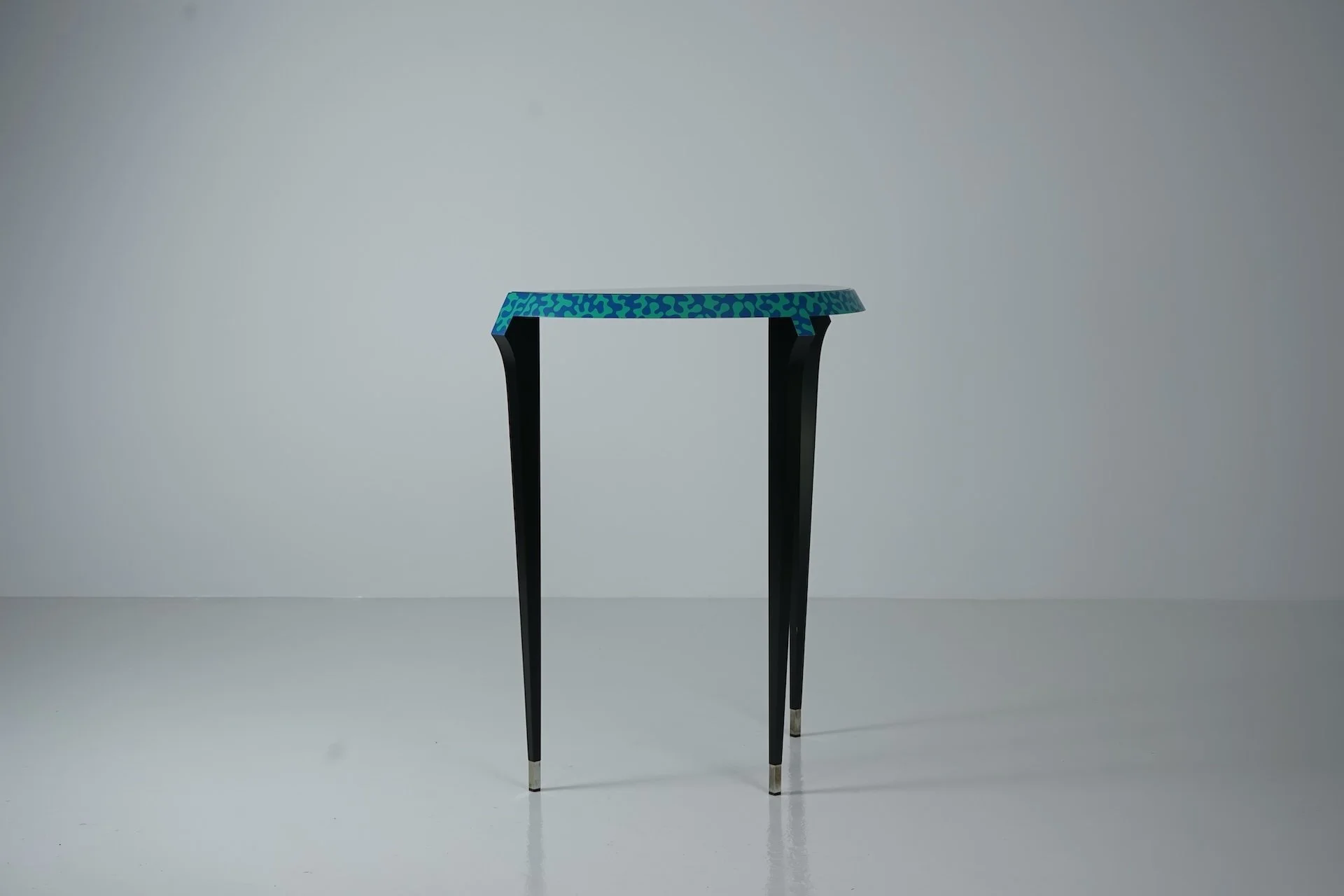 Image 7 of 20
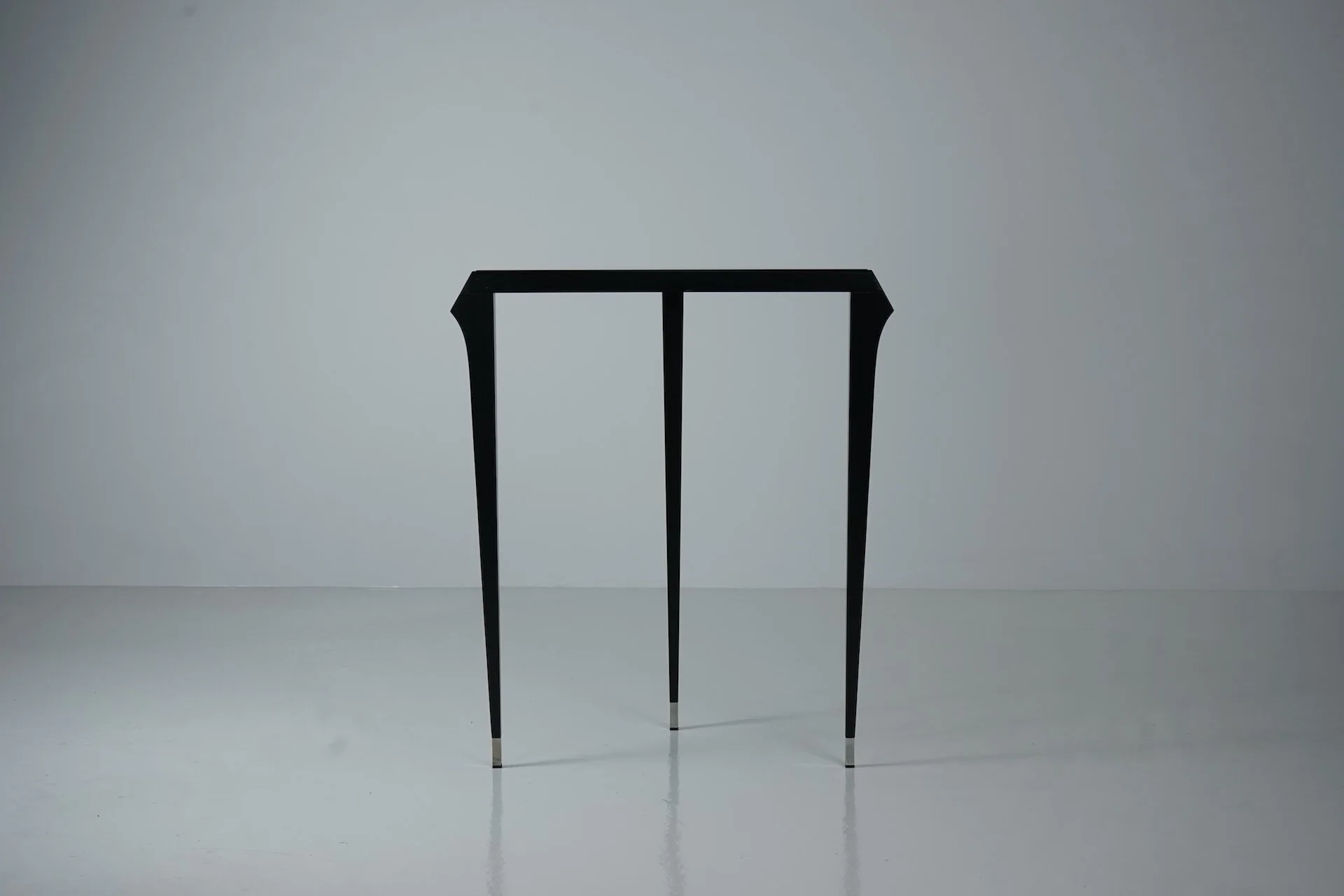 Image 8 of 20
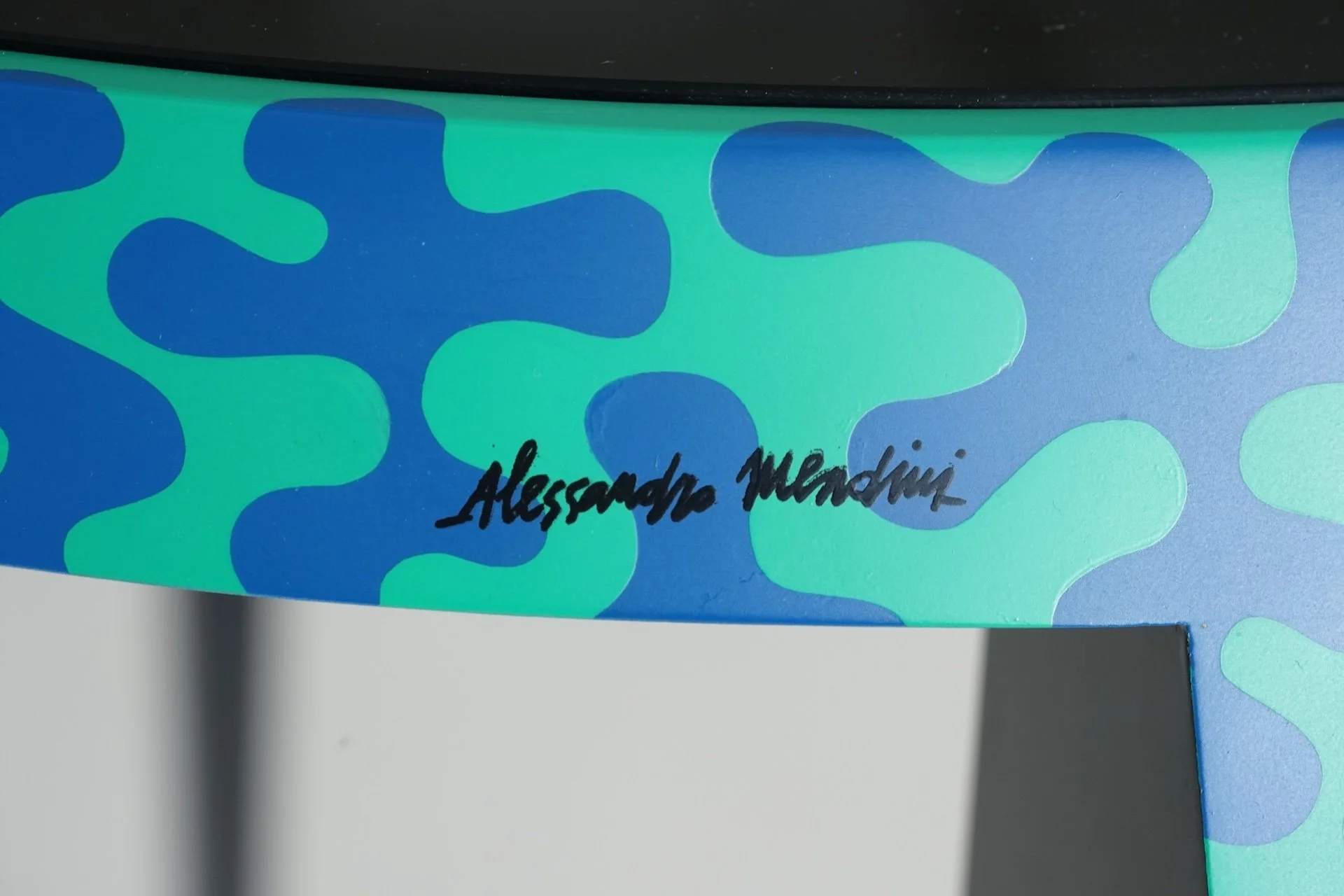 Image 9 of 20
 Image 10 of 20
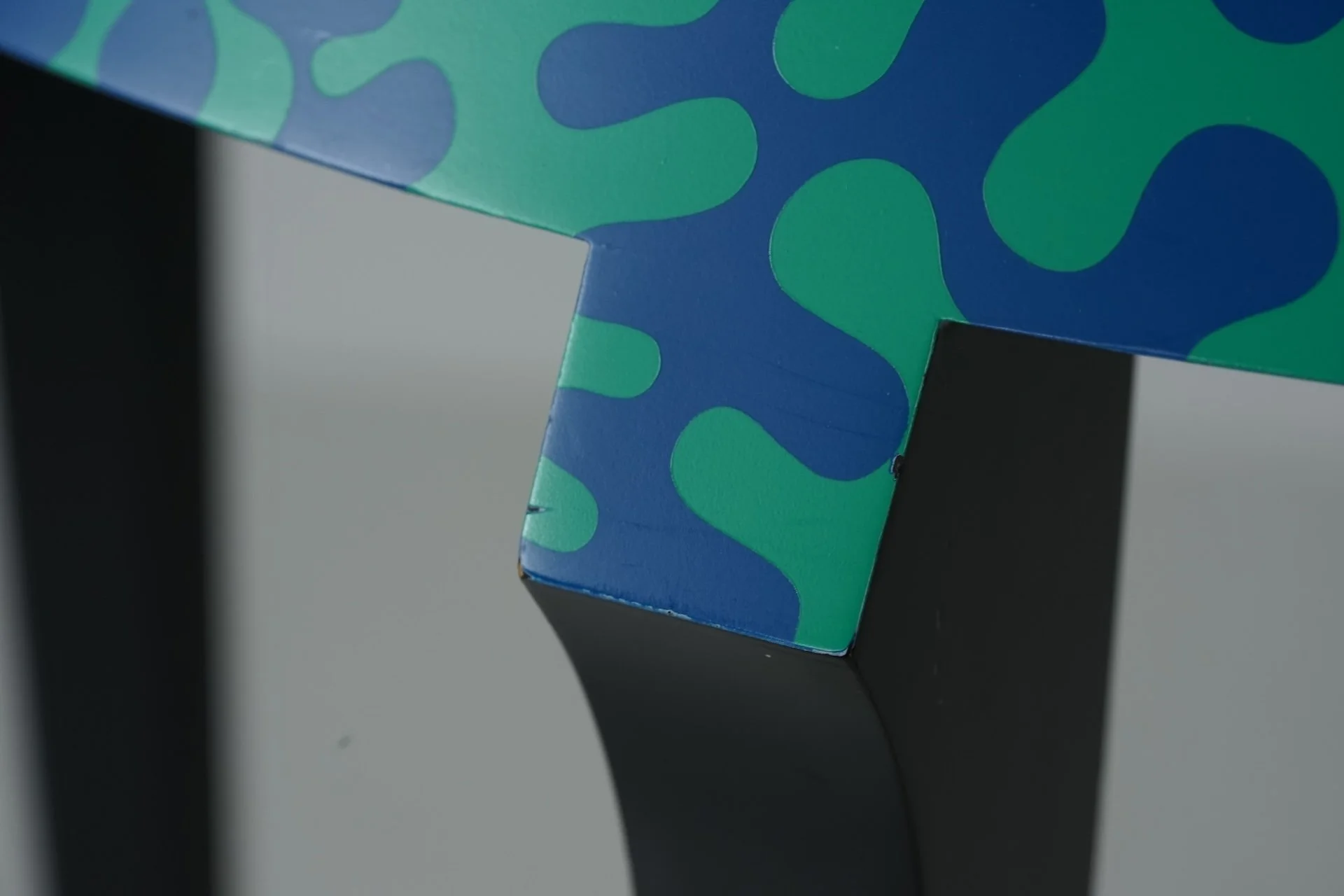 Image 11 of 20
 Image 12 of 20
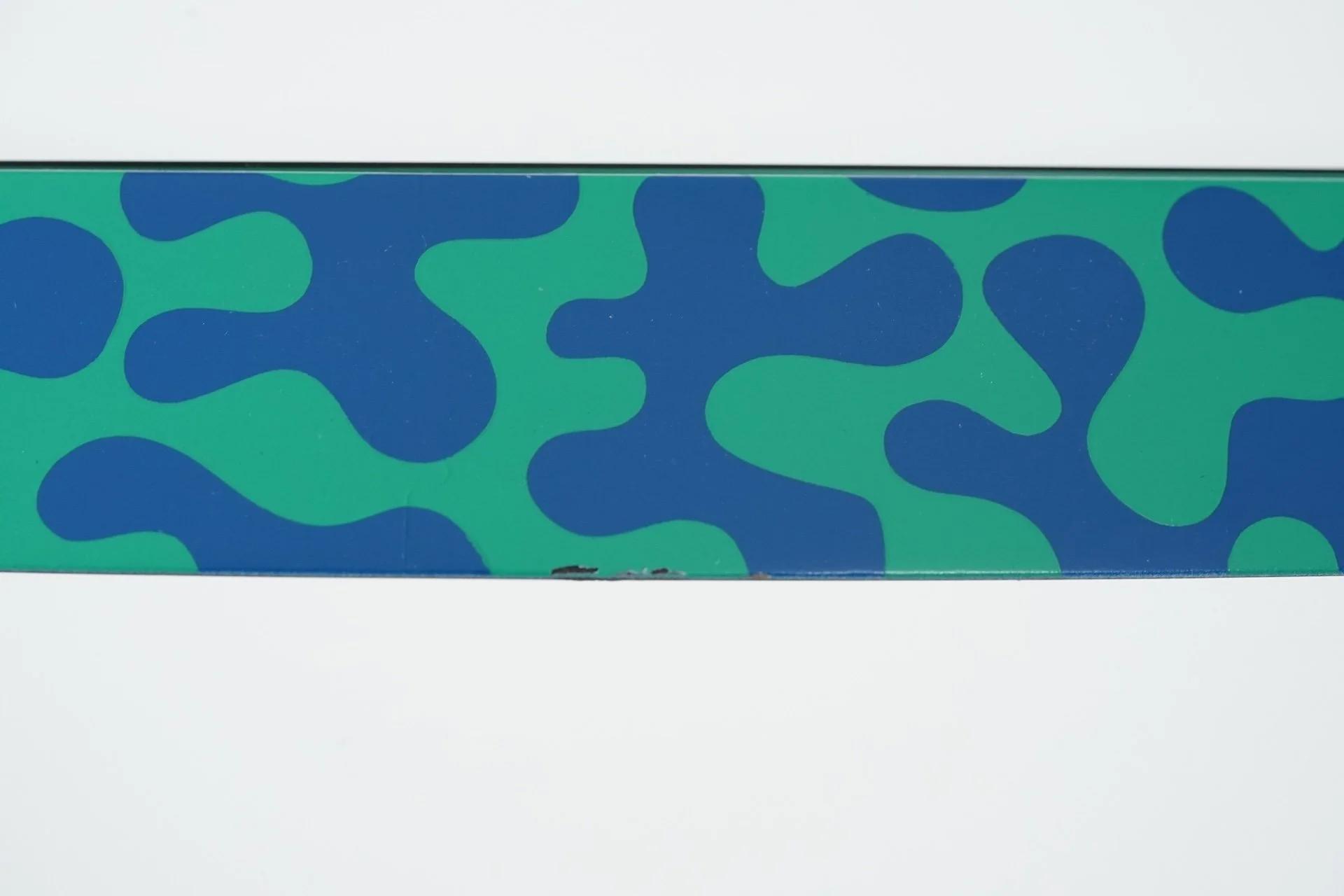 Image 13 of 20
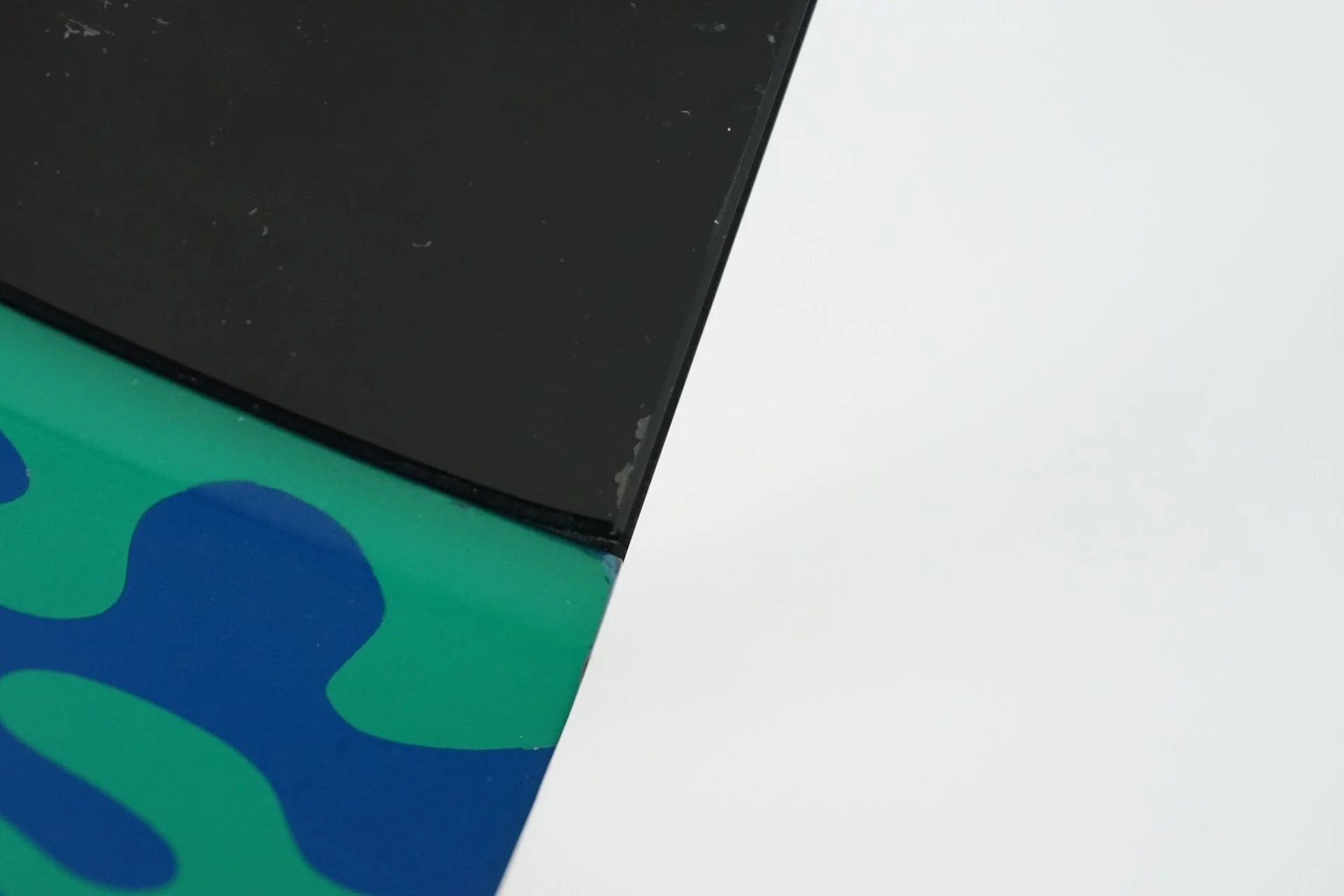 Image 14 of 20
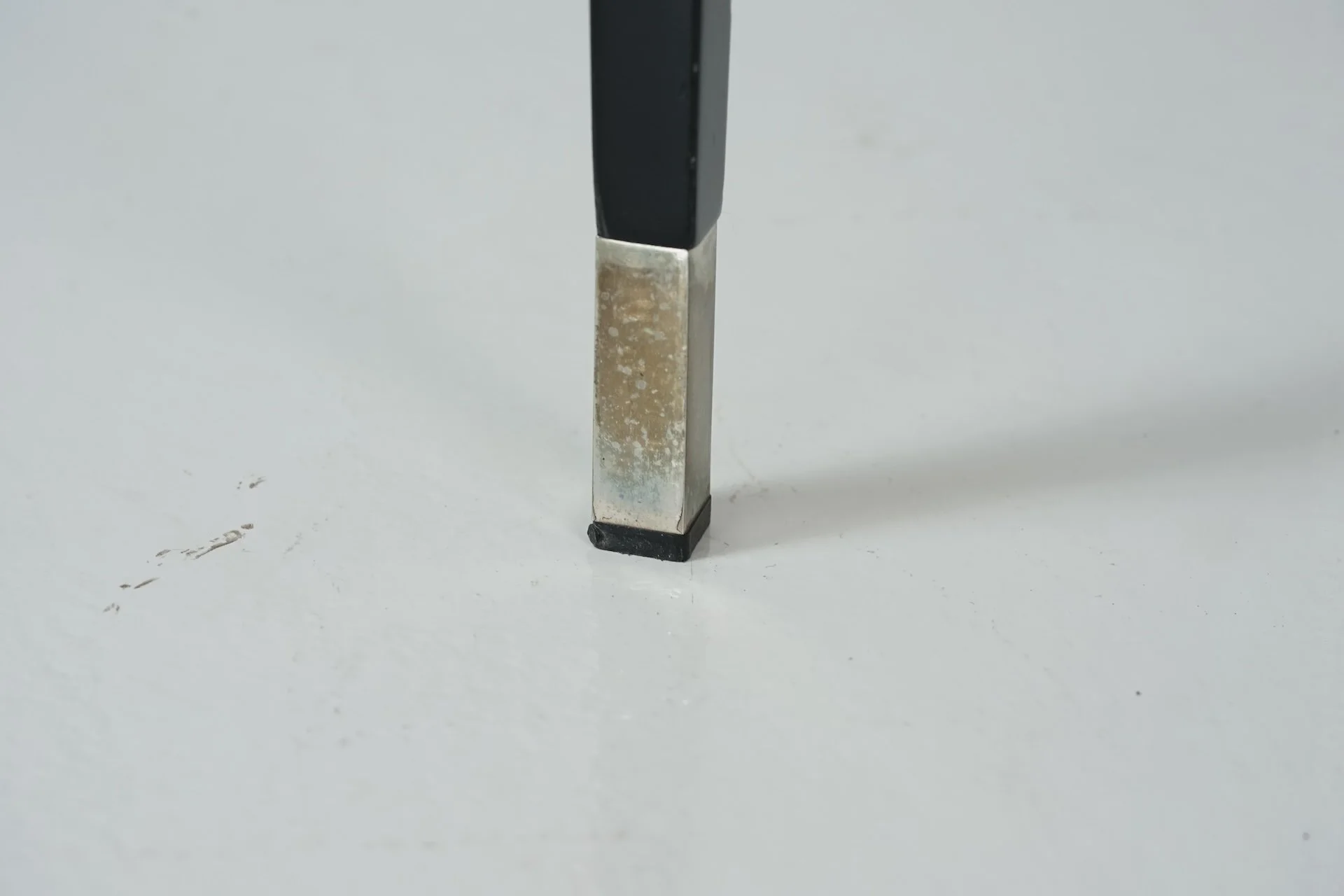 Image 15 of 20
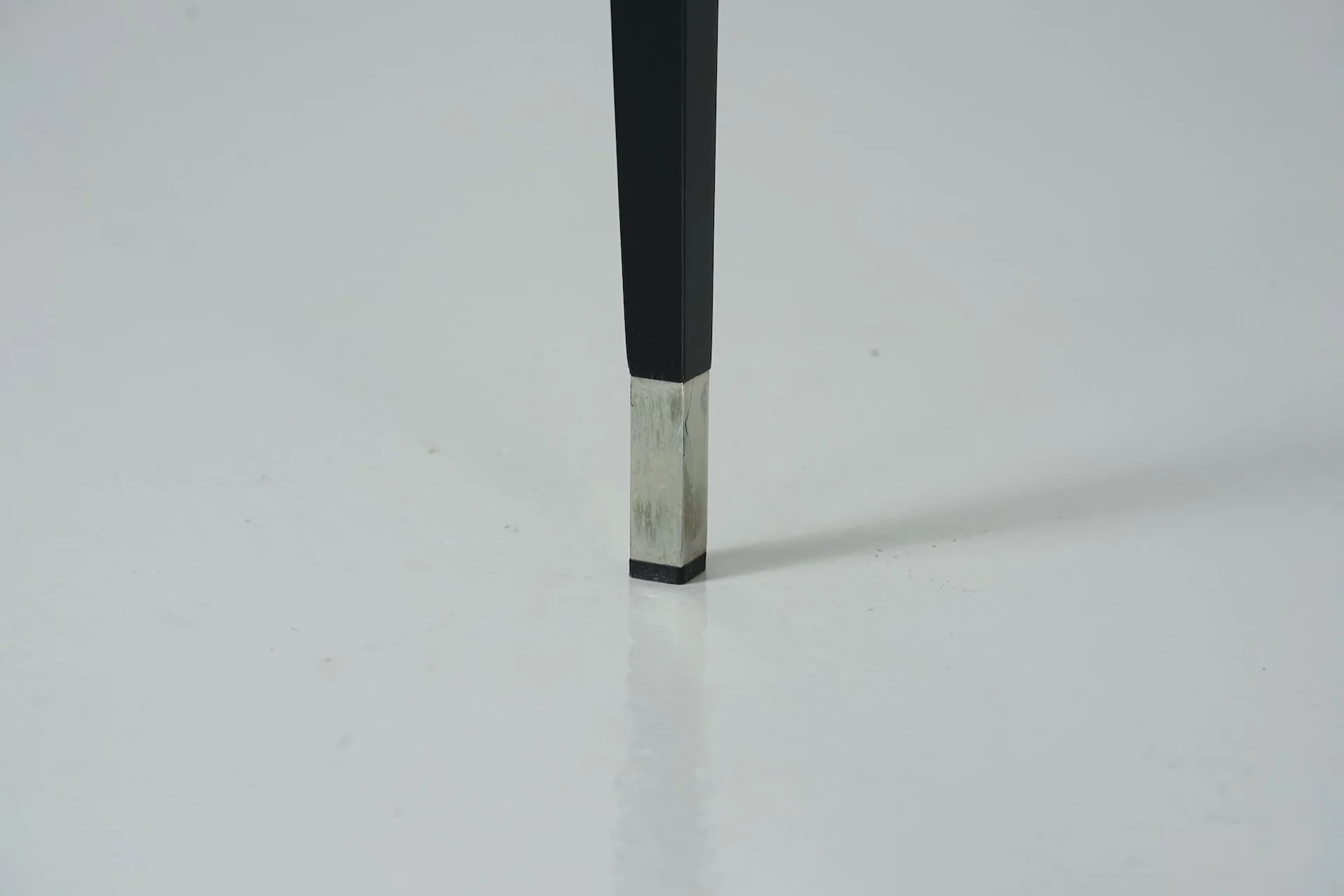 Image 16 of 20
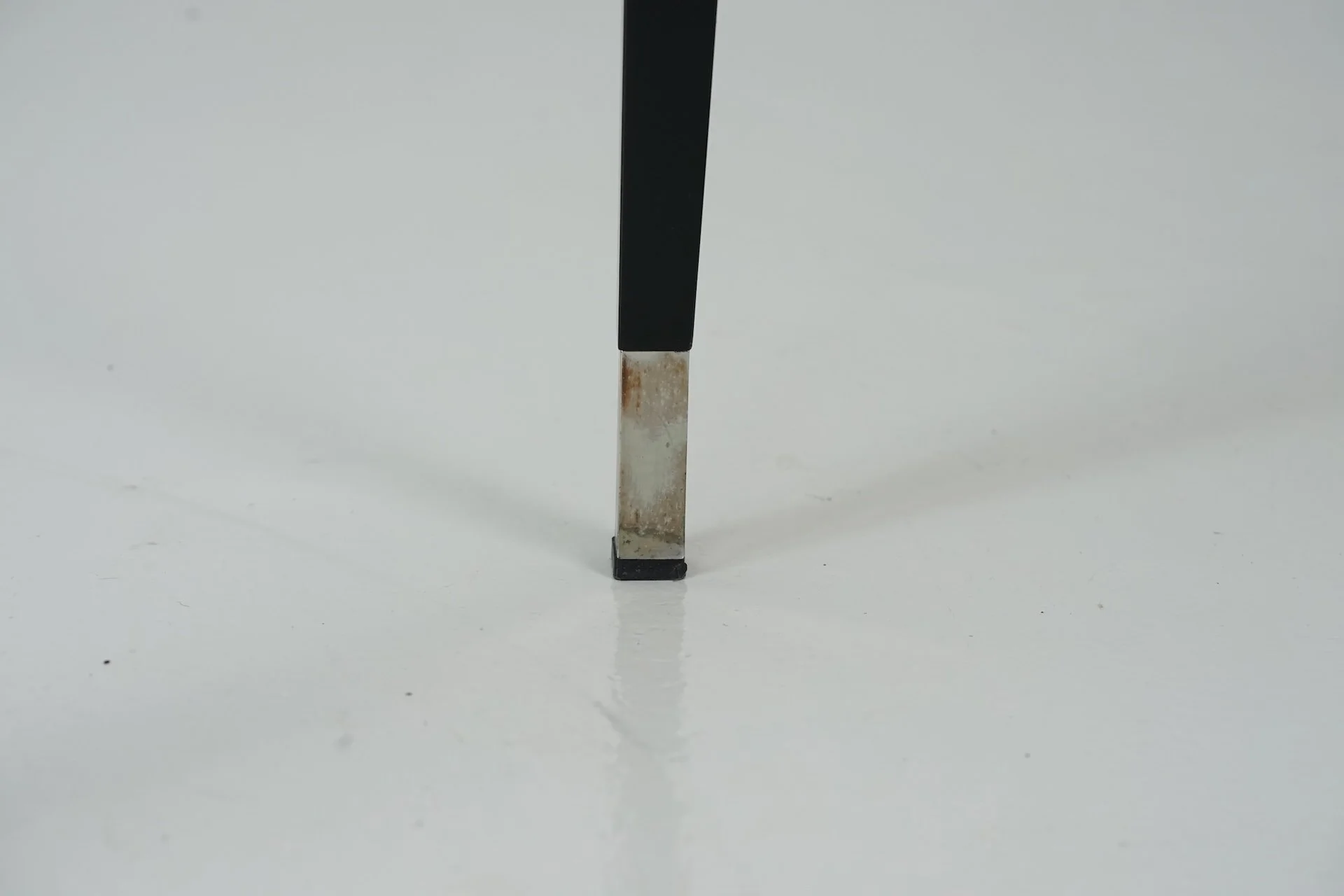 Image 17 of 20
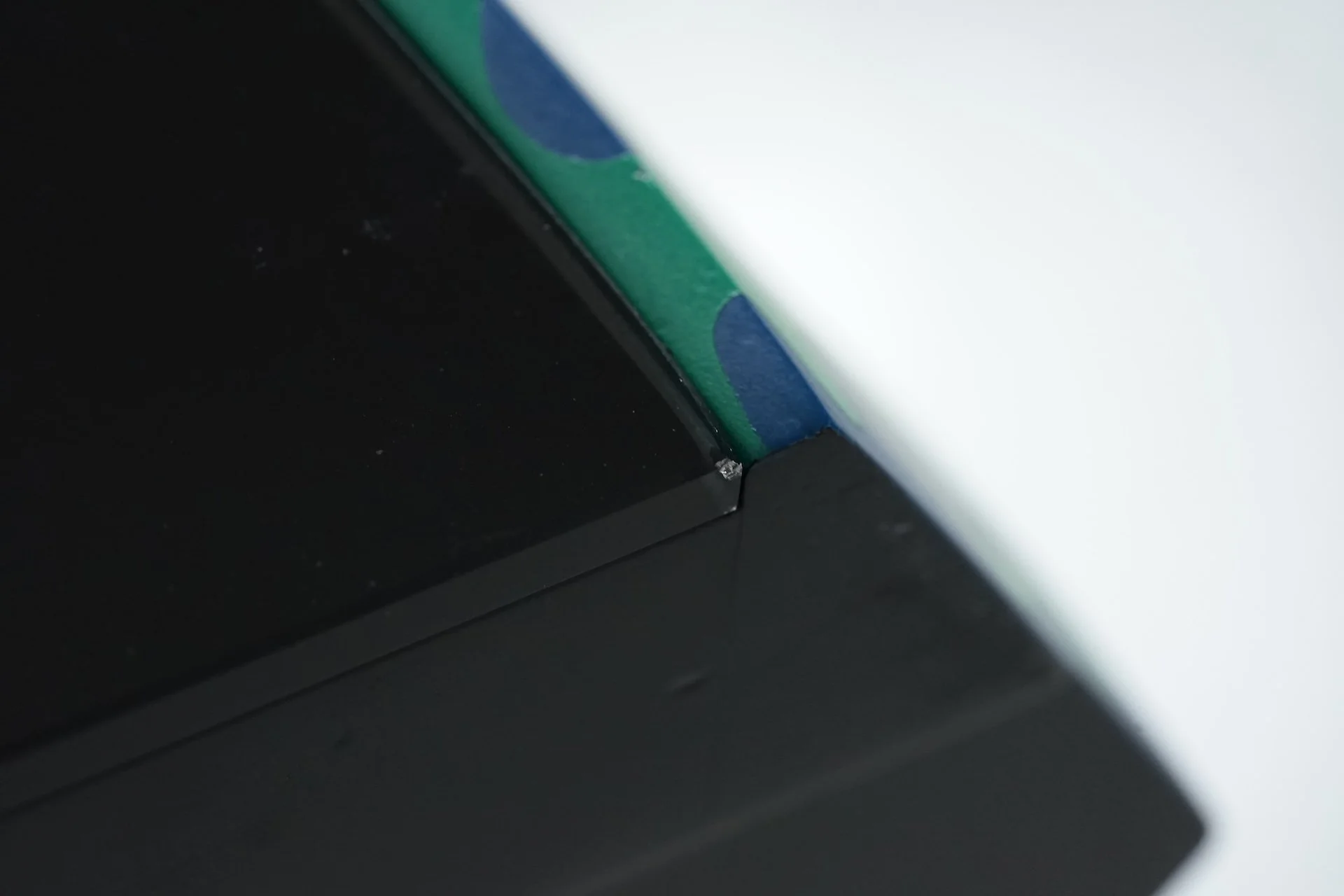 Image 18 of 20
 Image 19 of 20
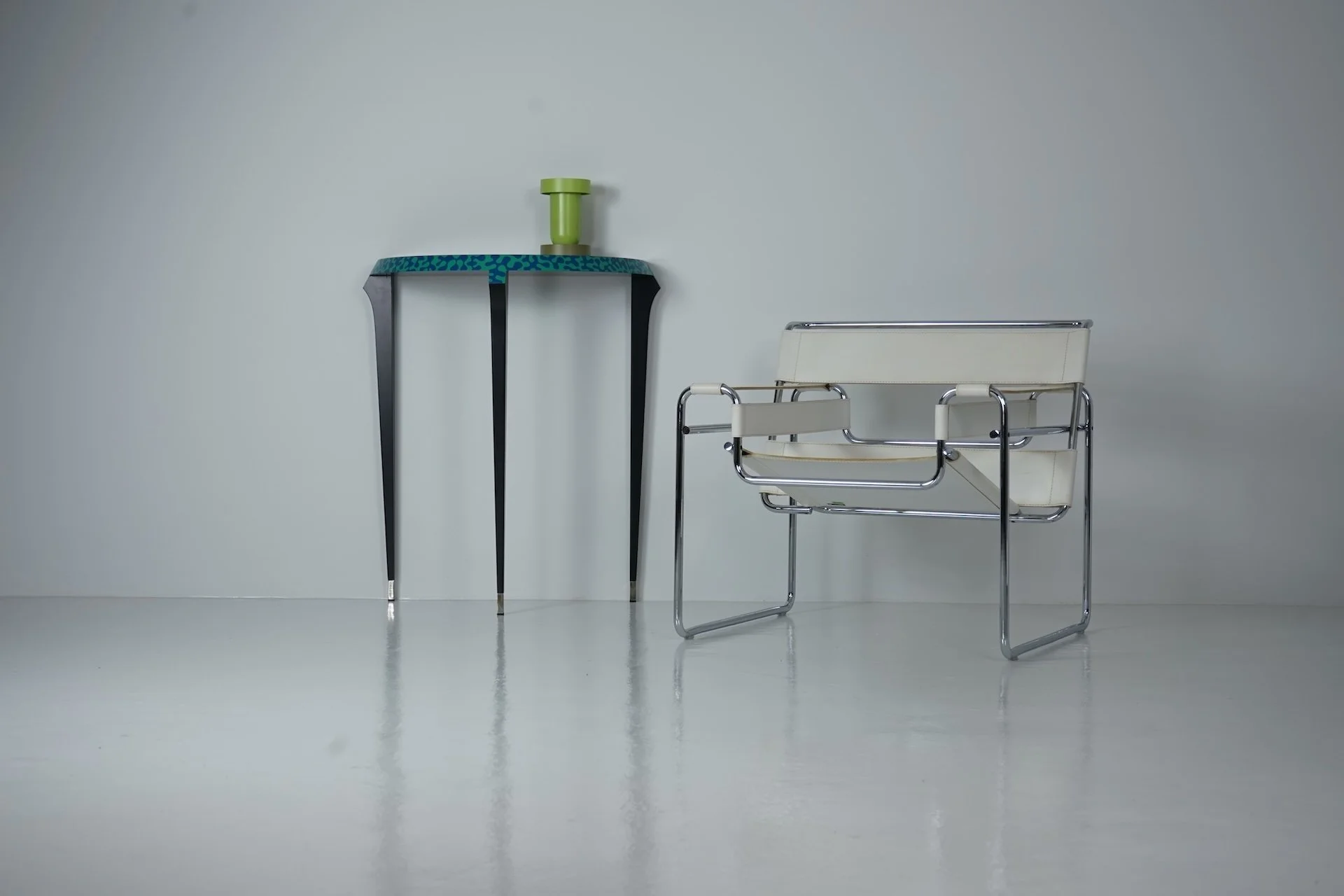 Image 20 of 20